Choosing the right Plush Foam Mat is not merely a color or softness decision. Your knees, flooring, cleaning routine, and available space all matter. A beautiful mat can still slide, compress quickly, or trap moisture beneath its surface.
Industry research offers useful context. Grand View Research’s 2024 EVA foam market overview identifies consumer products as an important application area. Fortune Business Insights’ flooring market analysis also reports continued demand for comfortable, resilient residential surfaces. However, public reports rarely separate plush foam mats from broader foam and flooring categories. That limitation deserves attention.
Dr. Karen Jacobs, an occupational therapist and ergonomics researcher, states, “Ergonomics is fitting the task to the worker.” This principle applies directly to mat selection. A playroom mat needs cushioning, stable edges, and easy cleaning. A home workout mat needs grip, recovery, and enough thickness for repeated impact. A nursery mat may require low-odor materials and tightly joined seams.
The following seven tips examine density, thickness, surface texture, slip resistance, material safety, maintenance, and long-term value. Look closely at product specifications. Touch the surface when possible. Check whether the mat springs back after pressure.
Marketing language can mislead.
“Extra plush” does not always mean better support. A softer surface may feel pleasant under bare feet, yet it can reduce balance during exercise. Even experienced buyers may overlook moisture resistance or storage problems. That is why practical testing should guide the final choice, not appearance alone.
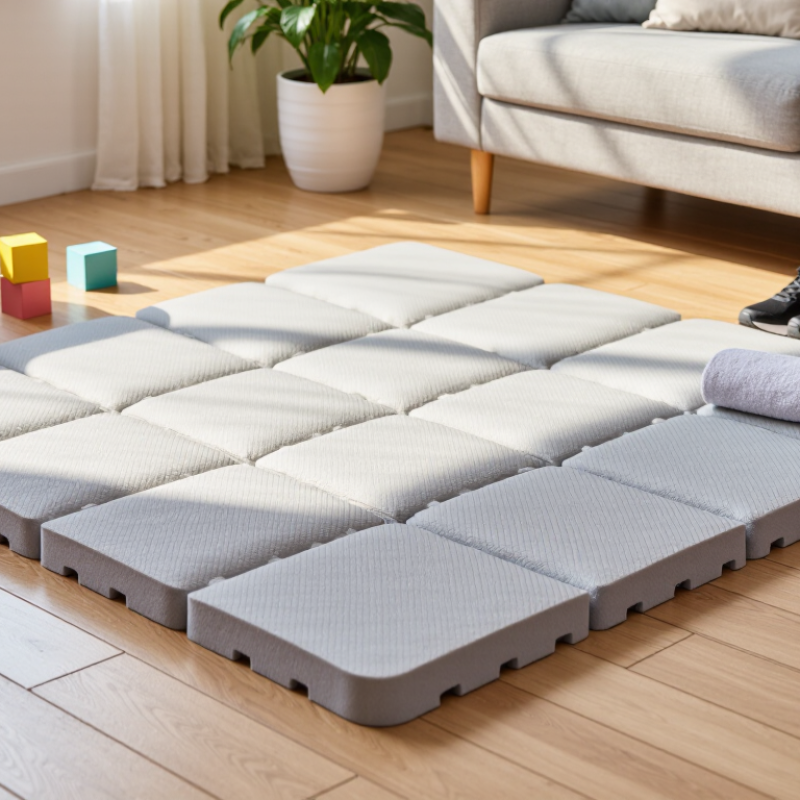
7 Tips for Choosing the Best Plush Foam Mat
Understand the Main Types and Uses of Plush Foam Mats
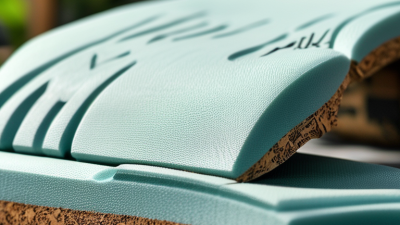
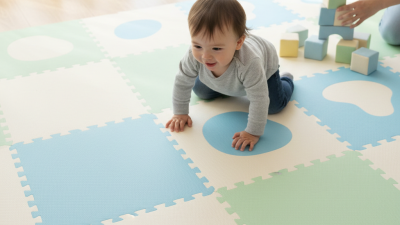
Plush foam mats come in several forms, and each suits a different daily setting. Interlocking EVA tiles work well in playrooms, because damaged sections can be replaced individually. Closed-cell XPE or IXPE mats offer a smoother surface and resist moisture better. Soft polyurethane foam feels comfortable, but it may absorb spills and compress faster. Choose the material according to use, cleaning needs, and floor condition.
Thickness alone can mislead. A 10-millimeter mat may feel firm, while a thinner, denser mat can support movement better. For children, inspect the seams, edge profile, and slip resistance. WHO’s 2022 Global Status Report on Physical Activity states that 81% of school-going adolescents are insufficiently active. A stable exercise mat can support floor-based movement, but it cannot replace safe supervision or outdoor activity. Start with real use.
For nursery floors, check surface texture and cleaning instructions. For yoga, select a mat that balances cushioning with stability. For home workouts, look for dense foam and strong recovery after compression. EPA reports that indoor pollutant concentrations can be two to five times higher than outdoor levels, so low-odor materials and ventilation matter. Ask for material testing, not vague “non-toxic” claims. ASTM F1292 testing can help assess impact attenuation for relevant play surfaces. I would not trust a soft hand feel as proof of safety. It is only one clue.
| Tip | Main Foam Type | Typical Density | Recommended Uses | Key Benefits | Important Selection Check |
|---|---|---|---|---|---|
| 1. Match the mat to the activity | EVA foam | Approximately 30–100 kg/m³ | Play areas, exercise floors, camping, workshops, and temporary floor protection | Lightweight, water-resistant, easy to clean, and available in interlocking formats | Choose sufficient thickness and surface texture for the expected impact and movement |
| 2. Select the right thickness | EPE foam | Approximately 20–35 kg/m³ | Packaging protection, underlays, light cushioning, and temporary insulation | Very light, resilient, moisture-resistant, and economical | Use thicker layers when impact absorption is more important than portability |
| 3. Prioritize comfort for extended use | Cross-linked polyethylene foam | Approximately 25–120 kg/m³ | Floor exercises, children’s rooms, rehabilitation areas, and kneeling work | Smooth closed-cell structure, low water absorption, and good cushioning | Compare compression firmness, recovery, and pressure distribution rather than softness alone |
| 4. Consider impact protection | PU foam | Approximately 20–60 kg/m³ | Indoor play mats, furniture padding, acoustic panels, and low-impact training | Soft feel, good airflow, and effective energy absorption in indoor environments | Avoid prolonged exposure to water and confirm the surface cover is durable enough for the intended use |
| 5. Check water and stain resistance | Closed-cell foam mat | Varies by material and formulation | Bathrooms, kitchens, gyms, outdoor events, and damp storage areas | Low liquid absorption and easier routine cleaning than open-cell foam | Inspect seams, edges, and joints because water can enter through poorly sealed connections |
| 6. Evaluate safety and maintenance | Textured or laminated foam | Depends on the foam core and surface layer | Childcare spaces, fitness studios, pet areas, and commercial interiors | Improved grip, more attractive appearance, and better resistance to surface wear | Look for slip resistance, rounded edges, low-odor materials, and cleaning instructions |
| 7. Confirm fit, storage, and value | Interlocking or roll-out foam mat | Based on the selected foam core | Large rooms, home gyms, playrooms, trade displays, and temporary installations | Flexible installation, simple expansion, and convenient storage when removed | Measure the area, allow for edge trimming, compare total coverage cost, and test a sample first |
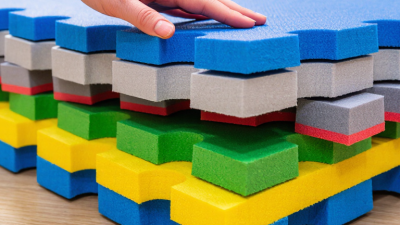
Foam density is measured in kilograms per cubic meter. Higher density often improves durability and support, but it does not automatically feel plush.
Tip 1: Compare products using the same unit.
Tip 2: Press the mat with your palm. It should compress slowly, then recover without staying dented.
ISO 2439 explains how indentation hardness measures flexible foam firmness, but home testing still matters.
I once trusted a soft showroom sample. It flattened quickly.
A thicker mat can cushion knees, hips, and ankles, especially on hard flooring. However, excessive thickness may feel unstable during balance exercises.
Tip 3: Choose moderate thickness for standing workouts.
Tip 4: Add thickness when floor impact is your main concern.
ASTM F1292 evaluates impact attenuation through measurements such as g-max and Head Injury Criterion. That standard concerns impact protection, not everyday plushness.
A comfortable mat is not automatically a protective mat.
Tip 5: Look for a fine, closed-cell texture that feels smooth against bare skin.
Tip 6: Check whether the surface becomes slippery with sweat.
Tip 7: Bend one corner and inspect the backing. It should grip without leaving residue.
The U.S. Consumer Product Safety Commission’s injury data repeatedly links falls with serious harm, so edge stability deserves attention.
Reports often sound precise. Real floors are not. Test the mat barefoot, beside furniture, and after ten minutes of movement.
7 Tips for Choosing the Best Plush Foam Mat
Safety should guide every detail, not just the softness. Press the surface and check whether it returns evenly without cracking. A stable mat should resist sliding on clean, dry flooring. Interlocking edges must fit tightly, with no raised corners or gaps that catch small toes. Rounded borders can reduce trips. Check the recommended age, thickness, and weight limits before use.
Material labels deserve close attention. Look for clear information about the foam type, surface coating, and dyes. Independent laboratory reports are more useful than vague words such as “safe” or “natural.” Some families prefer materials without certain plasticizers, heavy metals, or added fragrances. Read the full report when available. A strong smell is not proof of danger, but it deserves caution. Let a new mat air out in a well-ventilated room before regular use.
Indoor air quality is easy to overlook. Unpack the mat away from bedrooms and children’s play areas. Keep windows open if the odor persists. Avoid placing it beside heaters, sunny windows, or other heat sources unless the instructions permit it. Clean with mild soap and water, then dry it completely to prevent trapped moisture. I would also recheck the edges after several weeks. Materials can change with use, and a mat that looked perfect on day one may develop curling, flaking, or loose seams.
Safety and impact protection should receive the highest priority when choosing a plush foam mat. Material transparency, low-VOC performance, cleanability, edge design, and durability also help support a healthier and more practical indoor play area. The percentages represent an editorial checklist weighting for comparing products, not a brand ranking or laboratory result.
Choosing the best plush foam mat starts with the room, not the color. Measure the usable floor area, then leave a clear border around furniture and doors. A 2-by-3-foot mat suits stretching or bedside use. Larger panels work better for children’s play areas or home gyms. Check thickness carefully. Extra foam feels soft, but it may compress under heavy equipment. My own mistake was choosing softness over stability.
Shape should follow movement. Rectangular mats cover exercise lanes efficiently, while round mats suit reading corners or small activity zones. For irregular rooms, interlocking tiles reduce waste and allow damaged sections to be replaced. The World Health Organization’s Global Status Report on Physical Activity 2022 found that 31% of adults worldwide are insufficiently active. That supports flexible home exercise spaces, but a mat cannot correct poor layout or unsafe habits.
Installation deserves equal attention. Use a flat, dry surface and remove dust before placing the mat. Interlocking edges should fit tightly without raised lips. Loose-laid mats need a slip-resistant underside, especially near entrances. For permanent installation, follow the flooring manufacturer’s adhesive guidance and allow ventilation. ASTM F1292 evaluates impact attenuation for playground surfacing; it does not automatically certify every household foam mat. Look for tested performance, cleaning instructions, and low-emission material information. I would also test one tile first. Some surfaces curl, smell, or slide more than expected.
Cleaning needs should guide your first decision. Check whether the surface tolerates mild soap, warm water, and frequent wiping. Plush textures can trap crumbs, dust, and moisture between fibers. A removable, washable cover saves time. Avoid assuming “water-resistant” means waterproof. That mistake can damage the foam underneath.
Durability depends on more than thickness. Press the mat firmly and watch how quickly it regains shape. Dense foam usually handles daily play better than soft, collapsing foam. Inspect the seams, edge binding, and underside for slipping. A heavy mat may stay in place, but it can be difficult to move for cleaning. That trade-off matters.
For toddlers, choose low-odor materials and a stable surface without loose parts. Read the care instructions carefully. They often reveal more than attractive product photos.
Overall value includes comfort, maintenance, safety, and replacement costs. Compare the usable floor area, not just the listed size. Measure your room first. A cheaper mat may become expensive if it curls, stains, or needs frequent replacement. I would also leave space around furniture and heating vents. My own evaluation would include a week of ordinary use, although that is rarely possible before purchase. It is an imperfect test. Still, realistic questions help: Will muddy socks touch it? Can one adult carry it? Will cleaning remain manageable after six months?