How to Choose the Best Eva Puzzle Mat for Your Needs?
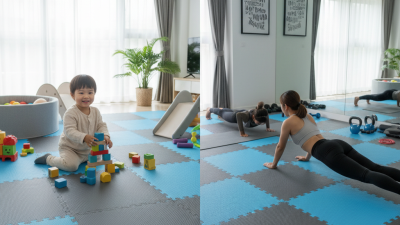
Choosing the best Eva Puzzle Mat for your needs can significantly impact your comfort and safety. According to a recent report by the International Association of Children’s Safety, over 50% of parents prefer cushioned flooring for play areas. This trend highlights the demand for Eva Puzzle Mats in homes and educational settings. These mats provide essential cushioning, reducing the risk of injuries during play.
Eva Puzzle Mats come in various thicknesses and designs, allowing customization for any space. Yet, many consumers overlook critical factors when selecting a mat. For example, the density of the foam affects durability and comfort. A report from the Flooring Association indicates that higher-density mats last longer and offer better support. Understanding these nuances helps ensure you select a mat that meets your requirements.
Industry experts suggest examining the mat's source and material quality. Not all Eva Puzzle Mats are created equal, and lower-quality options may pose risks. It's crucial to balance cost and safety effectively. This reflection ensures you choose a mat that not only fits your budget but also promotes a safe environment.
Factors to Consider When Selecting an Eva Puzzle Mat
Choosing the right Eva puzzle mat is crucial for a safe and enjoyable environment. One of the key factors to consider is the material quality. A study by the International Foam Association indicates that high-density EVA foam mats provide better durability and support. Ensure the mat is free from harmful chemicals to promote a safe play area for children.
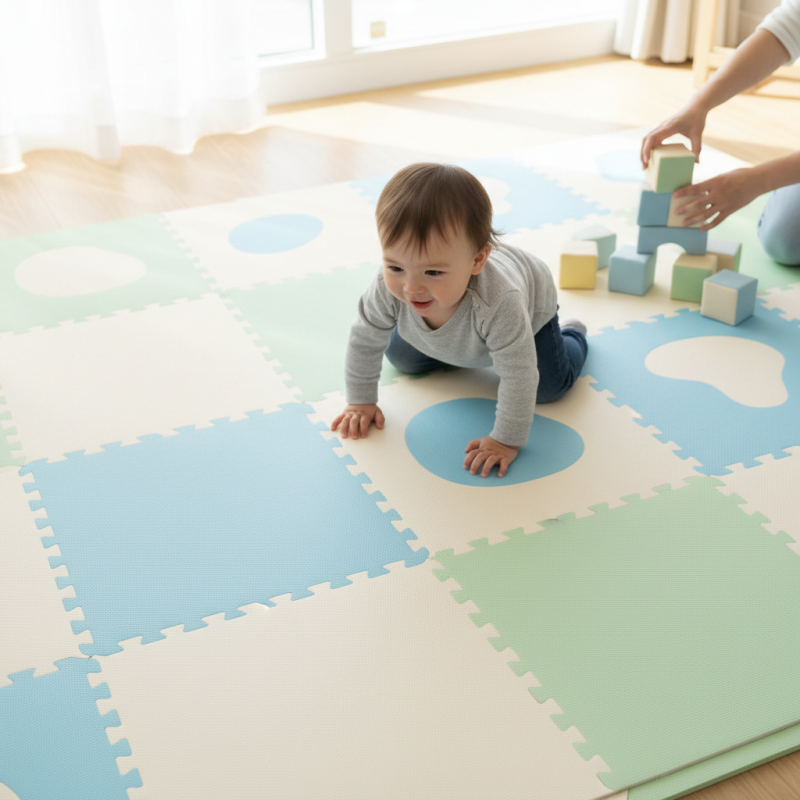
Thickness is another vital aspect. Mats typically range from 0.5 to 1 inch. Research shows that thicker mats (1 inch) offer superior shock absorption. This is especially important for infants and toddlers who are learning to crawl and walk. Additionally, easy-to-clean surfaces can prevent the buildup of allergens.
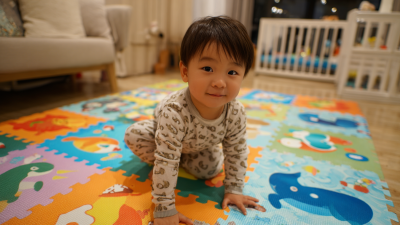
Finally, consider the mat's design and interlocking capability. A survey found that 70% of parents prefer colorful, engaging designs that stimulate a child's imagination. Opt for mats that interlock securely to avoid tripping hazards. Engaging design and safety features will enhance the overall user experience while meeting developmental needs.
Understanding Different Types of Eva Puzzle Mats Available
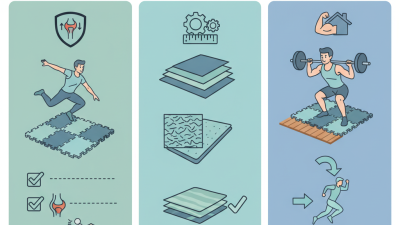
When choosing an EVA puzzle mat, understanding the different types available is crucial. EVA mats come in various thicknesses and densities. Thicker mats provide more cushioning, making them suitable for activities like yoga or play. Thinner mats are often easier to clean but offer less padding. Different foam densities affect how supportive a mat feels underfoot.
In addition, color and design play a significant role in selecting a mat. Bright colors can engage children, making playtime more enjoyable. Patterns can also aid in learning shapes and colors. However, they may be distracting for some.
Textures on the surface can vary too. Some mats feature smooth finishes, while others have a textured grip. These differences can impact comfort during exercises. Evaluate what feels most comfortable for your activities. It’s important to try out various mats in person if possible. Finding the right balance of thickness, design, and texture can enhance your overall experience.
Comparison of Different Types of Eva Puzzle Mats
Assessing Cushioning and Thickness for Comfort and Safety
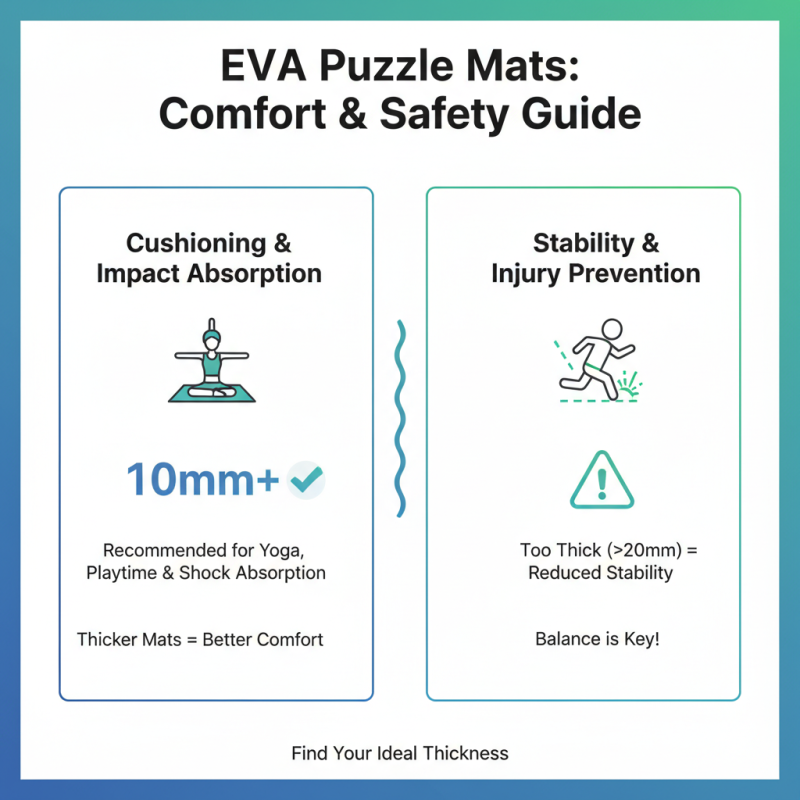
When selecting an Eva puzzle mat, comfort and safety are paramount. Thickness plays a crucial role in how well the mat absorbs impact. For activities like yoga or playtime, a thicker mat often provides better cushioning. A thickness of at least 10mm is usually recommended for effective shock absorption. However, too much thickness can hinder stability during exercise. Finding the right balance is essential for preventing injuries.
Cushioning is not just about thickness. The density of the material matters too. High-density Eva foam provides excellent support, while softer mats may feel comfy but lack stability. If you're using the mat for high-impact activities, choose denser options. A too-soft mat can lead to awkward movements and potential strains. Always try the mat before buying if you can.
Tips: Consider your primary activities when choosing a mat. Assess how much cushioning you truly need. For kids, ensure the mat meets safety standards for play. Don’t underestimate the importance of texture. Mats with non-slip surfaces can prevent accidents. A textured surface not only aids in grip but also enhances comfort during workouts.
Evaluating Design and Aesthetic Choices for Your Space
When evaluating design and aesthetic choices for your space, an Eva puzzle mat can transform both functionality and style. Consider the colors that complement your existing decor. Bold hues can add vibrancy, while soft pastels create a calming atmosphere. Patterns also matter. Geometric shapes might suit a modern space, while floral designs can enhance a cozy feeling. The right choice can lift the entire room.
Texture is another key factor. Smooth mats provide a sleek look, but embossed or patterned surfaces add visual interest. Imagine a child playing on a textured mat while surrounded by bright toys. This balance of aesthetics and practicality is essential. Remember, not all designs will work for every space. Reflect on what feels right for you. A lived-in look may be preferable to something rigidly uniform.
Consider the space where the mat will lie. High-traffic areas might require durable designs. In softer spaces like nurseries, choose mats that are visually appealing but also protect small ones from hard surfaces. It's okay to experiment, but be aware of how those choices affect the room’s overall vibe. Each decision contributes to the unique character of your home.
Comparing Price and Quality to Find the Best Value
When selecting an EVA puzzle mat, balancing price and quality is crucial. Reports indicate that consumers prioritize durability and safety in their choices. Mats should have non-toxic materials. Cost-effective options typically range from $10 to $30 per mat, offering basic features. Higher-priced mats may incorporate advanced cushioning or unique designs, increasing their appeal.
Consider these tips: Look for mats with a density rating above 90 kg/m³ for durability. Avoid overly cheap options that might compromise safety. Research user reviews to ensure the product meets performance expectations. A mat’s thickness can also affect its lifespan and comfort, with 1-inch thickness being ideal for active play.
While many mats claim to be versatile, not all meet rigorous safety standards. Regularly check for certifications from reputable organizations. This ensures that your mat is free from harmful substances. Trustworthiness is found in transparency about material sources. With patience and research, you can find an EVA puzzle mat that suits your needs without breaking the bank.