How to Choose the Best Foam Gym Floor Mats for Your Needs?
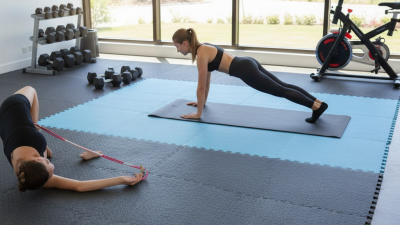
When selecting the right Foam Gym Floor Mats, it’s essential to consider several factors. According to a recent industry report from IBISWorld, the home fitness equipment market has grown by 23% in the past year. This surge highlights the increasing demand for effective home workout solutions, including quality flooring. Foam mats can absorb impact and provide comfort during workouts, making them a popular choice.
However, not all Foam Gym Floor Mats are created equal. Some mats may wear out quickly, while others may lack the necessary grip for rigorous activities. A study from the International Association of Sports Flooring indicates that proper flooring can reduce injury rates by up to 30%. This statistic underlines the importance of making an informed choice.
Think about your specific workout needs. Do you prefer a thicker mat for high-impact exercises, or a surface that’s easy to clean and maintain? Addressing these questions can lead to better decisions. Poor choices may lead to discomfort or injury over time. Therefore, understanding the nuances of Foam Gym Floor Mats is crucial for enhancing your fitness experience.

Understanding the Different Types of Foam Gym Floor Mats Available
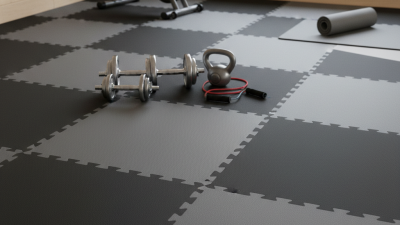
When choosing foam gym floor mats, understanding the variety available is crucial. There are different types, each designed to meet distinct needs. Interlocking tiles are popular. They are easy to install and remove. You can customize the size of your workout area. These mats usually have a thickness of one-half to one inch, providing adequate cushioning.
Another option is rolled foam mats. They cover larger areas seamlessly, reducing joints' stress during workouts. These mats are often used in martial arts or yoga studios. However, they may not offer the same grip as interlocking tiles. It's essential to consider your workout style when deciding.
Remember, some mats may cause odor when new. This can be an issue for sensitive users. The durability of foam mats varies as well. It’s vital to choose something suitable for your intended use. Heavy weights might require thicker mats. So, reflect on your activities and preferences. Not all mats are perfect for every situation.
Assessing Thickness: How It Impacts Comfort and Support
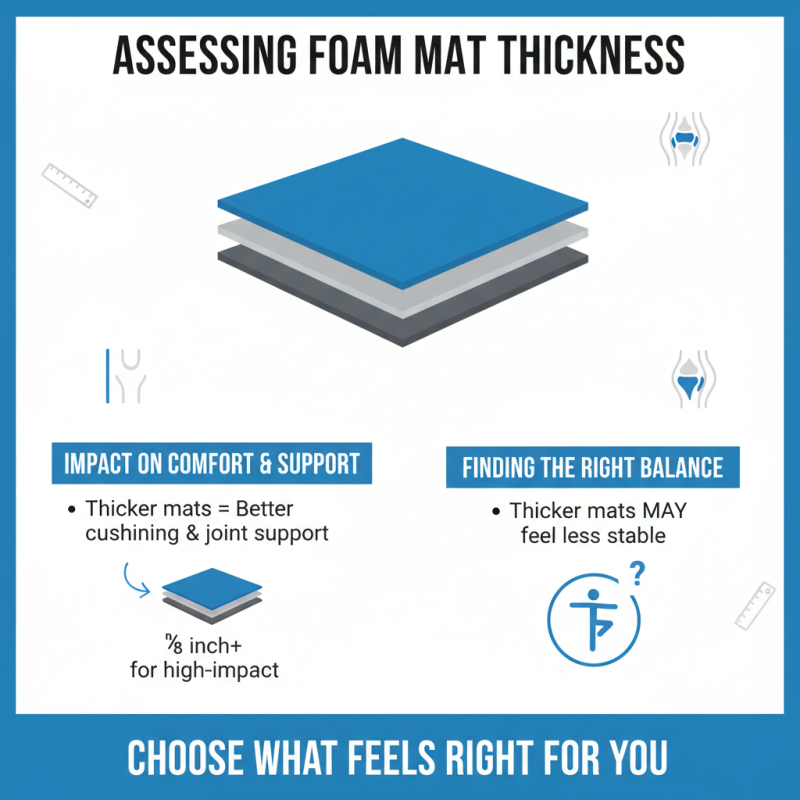
When selecting foam gym floor mats, thickness plays a crucial role in comfort and support. Thicker mats often provide better cushioning, leading to less strain on joints during workouts. A pad that is at least ¾ inch thick is typically recommended for high-impact exercises. However, a thicker mat may feel less stable for certain movements. It's essential to find a balance that feels right for you.
Tips: Test different thickness levels. Assess how each option feels underfoot. Does it absorb impact well? Consider the type of workouts you'll do. If you plan on performing yoga or pilates, a thinner mat could offer better stability. But for weightlifting, a thicker mat can help cushion your fall.
While many prefer thicker mats for comfort, it's worth noting they might feel bulky. They may not fit well in smaller workout spaces. Reflect on your environment before making a choice. You want a mat that supports your workouts without overwhelming your space. Finding the perfect thickness requires evaluation and personal preference. Listen to your body and adjust accordingly for optimal performance.
Evaluating Material Durability and Performance in High-Impact Areas
Choosing the right foam gym floor mats is crucial for any fitness environment, especially in high-impact areas.
Material durability plays a significant role in performance and safety.
Research indicates that EVA foam is one of the best choices for its shock-absorbing properties and resilience.
According to a report by the Journal of Sports Engineering, EVA mats can reduce impact forces by up to 50%.
This makes them ideal for activities like weightlifting and high-intensity interval training.
However, not all foam mats are created equal. Users often overlook the importance of thickness and density.
Mats that are too thin may wear out quickly under heavy use, while those that are overly thick can lead to instability.
A study by the National Institute of Health highlighted that mats with a density of 45-60 kg/m³ provide the right balance of support and comfort for gym-goers.
If a mat compresses too easily, it may not effectively protect joints during workouts.
Another consideration is the surface texture of the mats.
Smooth surfaces might look appealing but can become slippery when wet, posing safety risks. Conversely, textured surfaces offer better grip but may trap dirt and sweat, requiring more maintenance.
Acknowledging these trade-offs is key to selecting the best foam mats tailored to specific gym activities.
Understanding each aspect will enhance the safety and longevity of your gym flooring.
Considering Anti-Slip Features for Safety in Your Workout Space
Choosing the right foam gym floor mats can significantly impact your workout experience. One critical element is the anti-slip feature. According to a report by the National Floor Safety Institute, around 50% of gym injuries result from slips and falls. Ensuring your gym mat has a reliable anti-slip surface can drastically reduce this risk. Look for mats that use textured surfaces or specialized coatings to enhance grip.
Consider the materials used in these mats. High-density foam often provides better stability, while rubberized options can offer superior traction. A study by the American Council on Exercise indicated that flooring directly affects athletic performance and safety. If the mat does not provide enough grip, users may inadvertently adjust their movements, leading to potential injuries.
Moreover, pay attention to the mat's thickness. Thicker mats offer more cushioning and shock absorption, yet they can sometimes make activities like jumping or sprinting riskier if they lack an anti-slip design. Striking a balance between cushion and grip is essential. Reflect on your workout routines and consider how your flooring choice aligns with your safety priorities. Think critically about these elements before making your final decision.
Pricing Factors: Balancing Quality and Budget for Long-Term Use
When selecting foam gym floor mats, pricing is a critical factor. Quality mats can range from $1 to $5 per square foot. A report from the International Health, Racquet & Sportsclub Association reveals that quality flooring can reduce injury risks by 35%. This statistic emphasizes the importance of investing wisely in durable materials.
Many consumers opt for cheaper options, believing they can save money. However, low-quality mats often wear out quickly. They may cause discomfort and even injuries during workouts. Research suggests that spending an extra 20% on high-quality mats increases long-term savings. This is because frequent replacements can add up over time.
Balancing quality and budget is essential. Consider the material and thickness of the mats. Thicker mats tend to provide better shock absorption, which is crucial for high-impact workouts. However, thicker options often come with higher price tags. Always assess your specific needs. Workout intensity and frequency influence which mats are best for you. Seek reliable reviews and consult experts for guidance before making a purchase.
How to Choose the Best Foam Gym Floor Mats for Your Needs?
| Type of Foam Mat |
Thickness (inches) |
Price Range (per sq. ft.) |
Durability Rating (1-5) |
Ideal Use |
| Interlocking Foam Tiles |
0.5 |
$1.50 - $2.50 |
3 |
Light Exercise, Yoga |
| High-Density Mats |
1.0 |
$2.00 - $4.00 |
4 |
Weightlifting, Pilates |
| Rubber Floor Mats |
0.75 |
$3.00 - $5.00 |
5 |
Heavy Use, Gym Floors |
| Foam Rollers |
N/A |
$15.00 - $30.00 |
2 |
Recovery, Stretching |