What is the Best Rubber Flooring for Gym Mats?
When considering the right flooring for your gym space, one option stands out: Gym Mats Rubber Flooring. This type of flooring offers durability and comfort, making it ideal for various workouts. Different facilities have unique needs. Hence, it’s essential to evaluate the specific requirements before selecting the best option.
High-impact exercises can be tough on both floors and joints. Rubber flooring absorbs shock effectively. This characteristic not only protects the underlying surface but also provides a stable base for intense activities. However, not all rubber flooring is created equal. Some products may wear down quickly or lack proper grip. Research is key in finding the right fit.
When you weave together quality and performance, Gym Mats Rubber Flooring emerges as a reliable option. It provides excellent traction and stability, which minimizes injury risks. Still, budget constraints and aesthetics play a role in your decision-making. Reflecting on these aspects helps refine your choice. Consider all these factors carefully for a safe and effective workout environment.

Types of Rubber Flooring Suitable for Gym Mats
When choosing rubber flooring for gym mats, various types stand out.
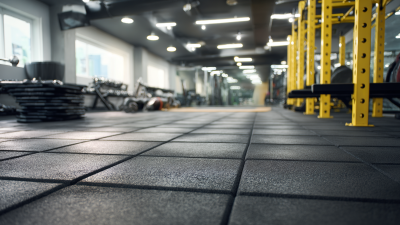
Rolled rubber flooring is a popular choice. It provides a seamless surface, making it easy to clean and maintain. This type is durable and can withstand heavy weights, ideal for areas with weightlifting.
Interlocking rubber tiles are another great option. They offer flexibility in design and can be replaced individually if damaged. This modular approach is appealing to gym owners who may need to adapt their spaces over time. Additionally, tiles provide cushioning and reduce noise, which is important in multi-purpose facilities.
Rubber flooring comes in different thicknesses, impacting shock absorption and comfort. Thicker mats are preferred for high-impact activities, like CrossFit or aerobics. However, some may find them harder to maneuver on. It's important to balance comfort with functionality. The right choice will depend on your gym’s specific needs and activities.
Consider experimenting with different types to find the best fit for your space.
Key Features to Consider in Rubber Flooring for Gyms
When selecting rubber flooring for gym mats, several key features become essential. Thickness is a crucial factor. Thicker mats provide better shock absorption, which is vital for high-impact workouts. Users should aim for mats between 3/8 inch and 1/2 inch thick for optimal performance. Durability also matters. Rubber flooring should withstand heavy usage without significant wear and tear. Poor-quality materials may crack or flatten over time.
Another important aspect is traction. A good rubber surface reduces the risk of slipping, especially during intense exercises. Look for mats with textured surfaces that enhance grip. Sound absorption is not to be overlooked either. Some rubber options minimize noise, which is beneficial for both gym-goers and nearby areas. However, keep in mind that some high-density mats may compromise on sound absorption.
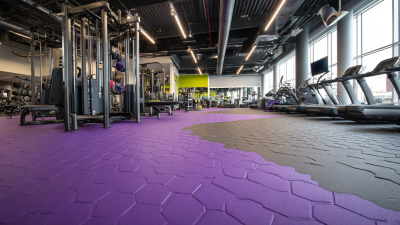
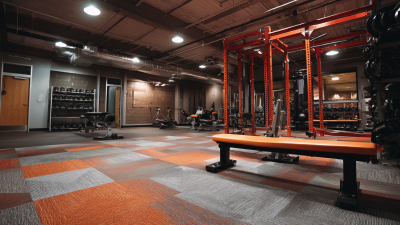
Aesthetic appeal is worth considering. While functionality is crucial, the visual aspect of the gym shouldn't be ignored. Rubber flooring comes in various colors and styles, allowing for personalization. Yet, not all styles will suit your gym’s theme. Choosing the right one requires thoughtful consideration. Even if the mat looks good, it must also fulfill its purpose. These factors collectively contribute to creating an efficient and safe workout environment.
What is the Best Rubber Flooring for Gym Mats? - Key Features to Consider in Rubber Flooring for Gyms
| Feature |
Importance |
Recommended Thickness |
Durability |
Slip Resistance |
Price Range |
| Material Quality |
High |
8-10 mm |
5-10 Years |
High |
$3 - $8 per sq ft |
| Shock Absorption |
Medium |
15-20 mm |
5-8 Years |
Medium |
$2 - $6 per sq ft |
| Ease of Cleaning |
High |
4-8 mm |
3-6 Years |
High |
$2 - $5 per sq ft |
| Eco-Friendliness |
Medium |
6-12 mm |
4-10 Years |
Medium |
$4 - $7 per sq ft |
Benefits of Rubber Flooring in Gym Settings
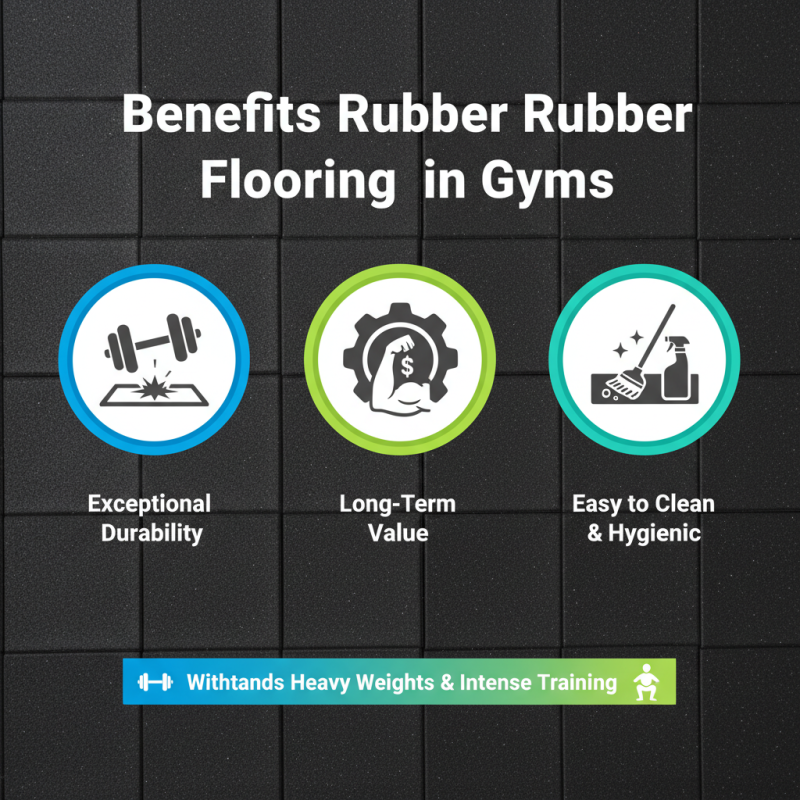
Rubber flooring offers significant benefits in gym settings, making it a popular choice among fitness enthusiasts. One of the key advantages is its exceptional durability. Unlike other surfaces, rubber can withstand heavy weights and intense training sessions. It doesn’t easily wear down, providing long-term value for gym owners. Additionally, rubber flooring is easy to clean, which helps maintain a hygienic environment, crucial for any fitness facility.
Another important benefit is the shock absorption feature of rubber. This can significantly reduce the impact on joints during workouts. Athletes can engage in high-impact activities without the fear of injuries. Furthermore, its slip-resistant surface enhances safety, making it suitable for various exercises. However, choosing the correct thickness and density is essential, as the wrong selection may not provide the needed support or cushioning.
Noise reduction is another aspect worth considering. Rubber minimizes sound during exercise, creating a more pleasant atmosphere. Yet, it is important to remember that not all rubber flooring is created equal. Users often overlook the maintenance needed to keep it in top shape. Regular cleaning and occasional replacement of damaged tiles should be part of any gym's upkeep strategy. Proper attention will ensure that the rubber flooring continues to serve its purpose effectively.
Installation Methods for Rubber Gym Flooring
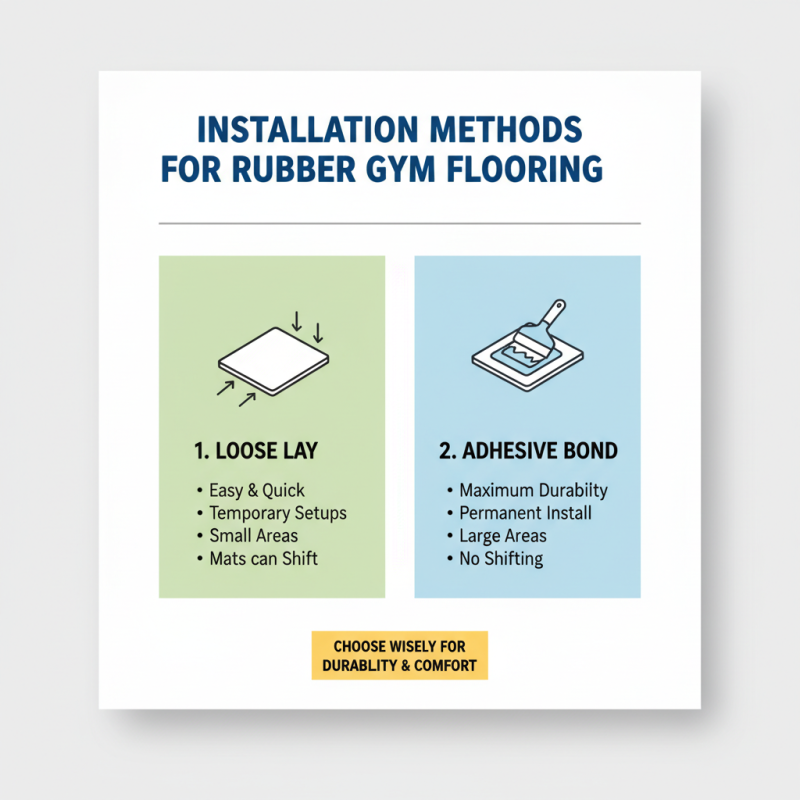
When installing rubber gym flooring, it's essential to choose the right method. This decision impacts the durability and comfort of your gym space. Loose lay installation offers an easy option, where the mats are simply placed on the floor. This method works well for temporary setups or smaller areas. However, it may shift during intense workouts, which could be a concern.
Another option is glue-down installation. This method involves applying adhesive to keep the mats securely in place. It offers more stability and helps prevent movement. However, it can be time-consuming and may require professional help. If you decide to go this route, ensure the floor is clean and dry before starting.
Interlocking tiles are becoming a popular choice in gym settings. They fit together like puzzle pieces, making installation straightforward. This approach allows for easy replacement if a tile gets damaged. However, interlocking pieces may not provide the same level of stability as glued mats. It's important to weigh these options based on your specific gym needs.
Maintenance Tips for Prolonging the Life of Rubber Mats
Rubber mats are popular for gyms due to their durability and resilience. However, frequent use can lead to wear and tear. Regular maintenance is crucial to extend their lifespan. One simple method is cleaning them regularly with a suitable cleaner. This helps remove dirt and bacteria that can thrive in gym environments. Pay attention to high-traffic areas where grime accumulates.
In addition to regular cleaning, it’s important to inspect mats regularly for damages. Look for cracks or tears. These could become larger over time and may pose a safety risk. It’s also wise to reposition mats occasionally to distribute wear evenly. When mats are placed in the same spot for too long, they can lose their effectiveness.
Occasional deep cleaning is necessary too. A mixture of warm water and mild detergent can rejuvenate the surface. Make sure to dry them properly afterward, as moisture can lead to mold. It's not always easy to keep them in perfect condition, but adopting these practices helps ensure durability. Take the time to care for your rubber mats, and they'll reward you with extended use.