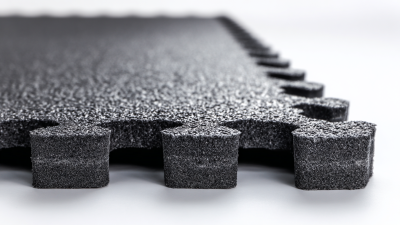
Top 10 Mat Eva Suppliers for Global Buyers in 2026?
The global demand for Mat Eva products is steadily increasing, driven by their versatility and durability. According to a recent report by Grand View Research, the global EVA market is projected to reach $19.4 billion by 2026. This highlights the significant role Mat Eva suppliers will play in meeting consumer needs.
Mat Eva has gained popularity in various industries, including construction, automotive, and sports. It offers exceptional cushioning and resilience, making it ideal for flooring solutions. As brands look to enhance their offerings, selecting the right supplier becomes crucial. Factors such as quality, cost, and reliability significantly influence purchasing decisions.
However, not all suppliers maintain high standards. Some may prioritize cost-cutting over product integrity. This can lead to issues like durability problems and safety concerns. As buyers navigate the supplier landscape, understanding these challenges is essential. In this dynamic market, identifying the top players in Mat Eva supply is critical for future success.
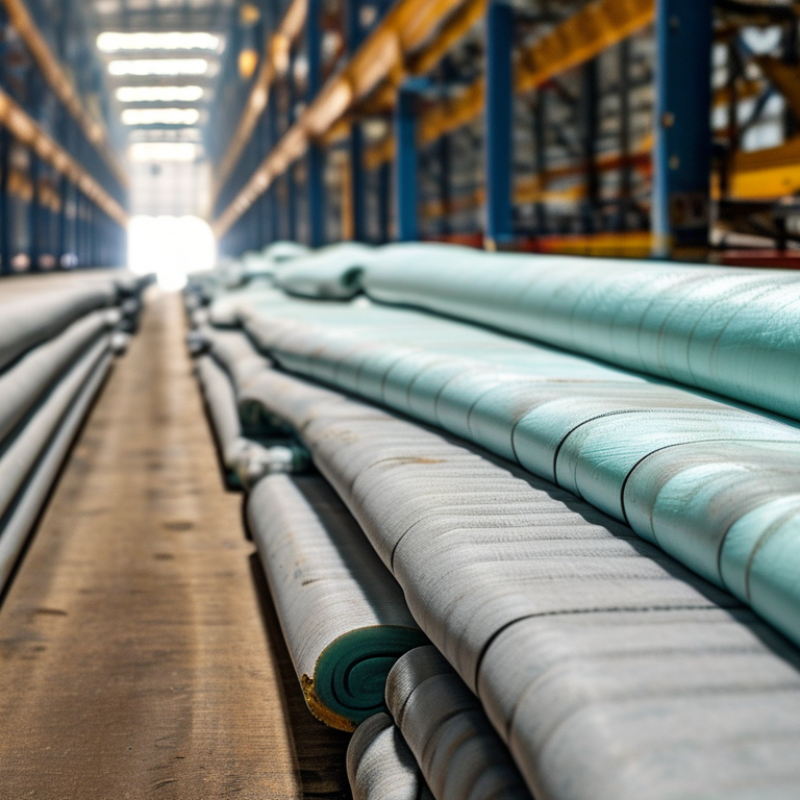
Overview of the Global Mat Eva Market in 2026
The global EVA mat market is projected to register significant growth by 2026. Analysts estimate a compound annual growth rate (CAGR) of around 5% during this period. The increasing demand for lightweight and durable materials in various industries, including automotive and sports, significantly drives this trend. The total market value is expected to exceed $1 billion as more manufacturers explore innovative applications.
Consumer preferences are shifting toward sustainable and recyclable materials. This shift opens up new opportunities for suppliers who can adapt and innovate. Companies are focusing on enhancing their production efficiency while reducing costs. However, some suppliers may struggle with compliance to environmental standards. This creates a gap in the market for those who can lead with sustainable practices.
Tips: Always evaluate supplier credentials. Look for those with proven expertise in EVA materials. Stay updated on industry trends and regulations. Connecting with professional networks can provide insights that are valuable in supplier selection. Staying informed about market demands allows global buyers to make strategic purchasing decisions.
Criteria for Selecting Top Mat Eva Suppliers
When selecting top mat EVA suppliers, several key criteria stand out. First, assess their experience in the industry. A supplier with a proven track record offers reliability. Look for those that have successfully catered to diverse markets and established solid client relationships. An experienced supplier often has insights that can enhance product quality and service.
Quality control measures are essential. Evaluate how suppliers maintain their production standards. Effective suppliers will provide transparency regarding their manufacturing processes. Certifications and compliance with industry standards should be scrutinized. A lack of proper documentation can raise red flags.
Finally, consider customer service responsiveness. Good communication is a cornerstone of a reliable partnership. Reach out to potential suppliers to gauge their response times. Suppliers who are readily available for inquiries often prioritize customer satisfaction. Reflecting on these aspects can lead to better choices for your sourcing needs.
Detailed Profiles of Leading Mat Eva Suppliers
As the global demand for EVA mats continues to rise, understanding leading suppliers is crucial. The top suppliers are distinguished not just by their product quality but also by their commitment to sustainability and innovation. Many of these companies prioritize using eco-friendly materials. This reflects a strong trend toward environmental consciousness in manufacturing processes.
In evaluating suppliers, it's important to consider their production capabilities and customer service. Reliable suppliers often have established quality control measures. A responsive customer service team adds significant value. Buyers should look for suppliers who are transparent about their sourcing and manufacturing practices. This transparency fosters trust and enhances long-term partnerships.
However, not all suppliers can consistently meet every buyer's needs. Some may struggle with scalability or delivery timelines. It's vital for buyers to conduct thorough research. Checking reviews and seeking recommendations can provide insights into a supplier's reliability. The right partner can significantly enhance business operations, but finding them may require effort and careful consideration.
Top 10 Mat Eva Suppliers for Global Buyers in 2026
Market Trends Impacting Mat Eva Suppliers in 2026
As we approach 2026, the mat EVA (ethylene-vinyl acetate) market is undergoing significant transformations. Buyers are becoming increasingly discerning. They look for eco-friendly materials and sustainable sourcing methods. This shift is driven by growing environmental awareness among consumers. Suppliers must adapt to these market changes to stay competitive.
Technological advancements are reshaping production techniques. Suppliers are adopting automated manufacturing processes to enhance efficiency. Innovations in design and functionality are in demand. Manufacturers are also exploring new EVA formulations to improve durability and performance. Despite these advancements, some suppliers struggle to keep up, facing challenges in quality control and supply chain management.
The fluctuation of raw material prices poses another concern. With rising costs, many suppliers are re-evaluating their pricing strategies. Some may need to sacrifice quality to maintain margins, which could affect their long-term viability. In contrast, suppliers committed to maintaining high standards may gain a stronger market position. Balancing cost, quality, and sustainability will be crucial for suppliers looking to succeed in this evolving landscape.
Future Projections for the Mat Eva Supply Industry
The mat ethylene-vinyl acetate (Eva) supply industry is projected to grow significantly by 2026. Key drivers include increasing demand in construction and sports sectors. According to the Market Research Future report, the industry could witness a CAGR of 6% during this period. Such growth opens avenues for global buyers seeking reliable suppliers.
One important consideration is sustainability. Many manufacturers are shifting towards eco-friendly production techniques. This trend reflects a growing consumer demand for environmentally responsible products. However, suppliers must balance this with cost-efficiency. Finding the right materials without compromising quality can be challenging.
Understanding market dynamics is crucial. Global trade policies and supply chain issues may impact availability. Buyers should keep an eye on emerging suppliers from different regions. This can enhance negotiation positions and ensure better pricing. Research shows that diversifying supplier bases often leads to greater resilience.
Investing time in supplier assessments is vital. Evaluating their production capabilities and stability will pay off. Emphasizing quality assurance can diminish risks related to defective products. The evolving market landscape requires buyers to be proactive. Aligning with forward-thinking suppliers can lead to mutually beneficial relationships.