Essential Tips for Choosing Gym Rubber Floor Mats?
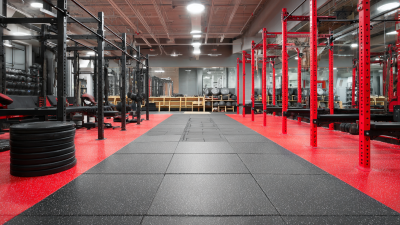
Choosing the right Gym Rubber Floor Mat is crucial for any fitness facility. According to a recent report by the International Health, Racquet & Sportsclub Association, 70% of gym owners stated that proper flooring significantly reduces injuries. The right mat can enhance safety and provide comfort during workouts.
Expert Jason Bertin, a leading figure in gym equipment safety, emphasizes, "Quality flooring is the foundation of every successful gym." Gym Rubber Floor Mats are designed to absorb shock and provide slip resistance. These features are essential in minimizing accidents and creating a positive workout environment.
Not all mats are created equal. Some may not withstand heavy use, leading to quick wear and tear. It’s vital to consider durability and maintenance when choosing mats. Many gym owners overlook these details and suffer from increased costs in the long run. Careful selection of quality mats can promote athlete performance and prolong the life of your gym's flooring.
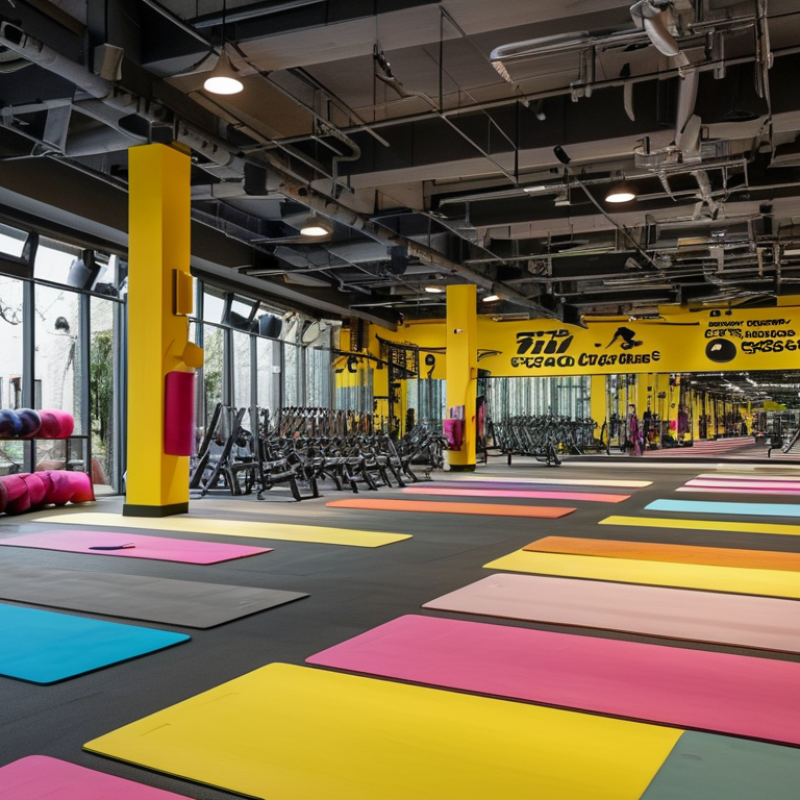
Understanding the Importance of Gym Rubber Floor Mats
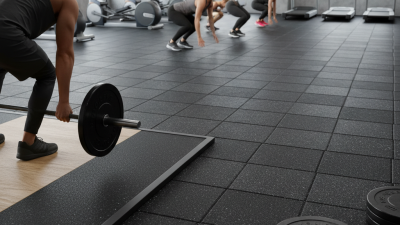
When it comes to gym flooring, rubber mats play a crucial role. They provide both safety and comfort for users. Rubber mats can absorb impact from dropping weights and reduce slips. This makes workouts safer, especially in high-intensity environments. A well-fitted mat can also minimize noise, creating a more pleasant atmosphere for everyone.
The durability of rubber mats is another important factor. Unlike other flooring options, rubber can withstand heavy equipment and constant foot traffic. It's resistant to wear and tear, which means fewer replacements over time. Moreover, rubber flooring is often easy to clean and maintain, promoting a hygienic space for workouts.
It's essential to consider how mats interact with specific gym activities. For instance, certain exercises may require thicker mats for added cushioning. Having the right thickness can enhance comfort during workouts. However, thicker mats can also affect balance during some exercises. Finding the balance between comfort and stability may require thoughtful consideration.
Types of Rubber Floor Mats Suitable for Gyms
When selecting rubber floor mats for gyms, it’s essential to consider the types available. Interlocking rubber tiles are popular for their versatility and ease of installation. They can adapt to various layouts and provide good cushioning during workouts. These tiles often feature textured surfaces for improved traction.
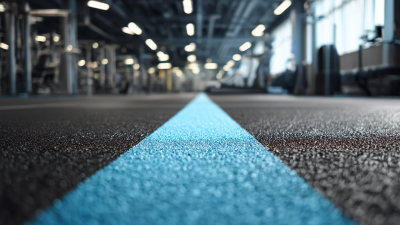
Another option is rolled rubber flooring. This type offers a seamless look and covers larger areas without joints, reducing the chances of dirt accumulation. It’s durable and can withstand heavy equipment and foot traffic. However, installation can be more challenging and may require professional help.
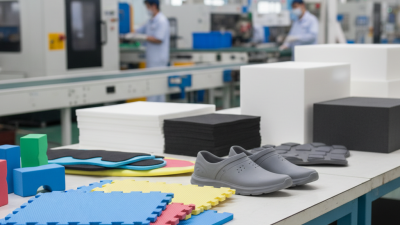
Foam rubber mats are also suitable, particularly for areas focused on comfort, such as stretching or yoga zones. They provide excellent shock absorption and are lightweight, making them easy to move. Yet, they may not be as durable as other types for heavy lifting areas. Choosing the right mat requires assessing your gym's specific needs.
Key Factors to Consider When Choosing Gym Mats
When selecting gym rubber floor mats, consider various key factors. The thickness of the mat is crucial. Thicker mats provide better shock absorption. They can protect both your joints and the floor beneath them. Think about the activities you will perform on the mat. If you plan to lift heavy weights, a thicker option may be necessary.
Also, consider the material quality. High-quality rubber offers excellent durability. It resists wear and staining while providing a non-slip surface. Look for mats that are easy to clean. A mat that collects dirt and grime will not be hygienic.
Pay attention to the mat’s texture as well. A textured surface can provide additional grip, reducing the risk of slipping during intense workouts. It is also wise to check for odor. Some rubber mats emit strong smells that can be unpleasant. Ensure that the mats are well-ventilated to disperse these odors. Each factor contributes to a better, safer workout environment.
Essential Tips for Choosing Gym Rubber Floor Mats
Maintenance Tips for Prolonging the Life of Gym Mats
Maintaining gym rubber floor mats is crucial for their longevity and performance. Regular cleaning helps prevent the buildup of dirt and grime. Use a mild detergent and a damp cloth for routine maintenance. For deeper cleaning, consider a scrub brush with warm water. This process keeps the surface intact and free from slippery residue.
Check mats for wear and tear frequently. Signs of damage can be subtle, yet they lead to more significant problems later. If you notice cracks or peeling, take action. Replace affected sections promptly to ensure safety. A well-maintained mat not only looks better but also performs effectively, enhancing your workout experience.
Proper storage is often overlooked. When not in use, store mats in a cool, dry place. Avoid direct sunlight to prevent fading and degradation. Also, consider rolling mats instead of folding them. This prevents creasing that can lead to permanent damage. Be proactive; a little effort in maintenance goes a long way for gym mats.
Cost Considerations and Budgeting for Gym Floor Mats
When budgeting for gym rubber floor mats, understanding costs is crucial. On average, quality mats range from $2 to $7 per square foot. This price can vary based on thickness and durability. For instance, mats designed for high-impact areas are often more expensive. Allocating your budget effectively helps meet both functional and aesthetic needs.
Additionally, consider the long-term investment. A quality mat can last five to seven years with proper care. Data shows that proper flooring reduces injuries by 25%. This statistic highlights the need for investing in quality over cheap alternatives. While the initial cost may be higher, the savings from reduced accidents and maintenance should be factored in.
Remember, lower-priced options might not provide the support or traction needed for heavy gym use. Think carefully about your specific requirements. Do you need additional features like shock absorption? Evaluate all aspects before making a decision. It's essential to weigh the immediate costs against overall value.
Essential Tips for Choosing Gym Rubber Floor Mats - Cost Considerations and Budgeting for Gym Floor Mats
| Feature |
Description |
Cost Range (Per Square Foot) |
| Material Quality |
Durable and resilient materials like rubber for high traffic areas. |
$2.50 - $5.00 |
| Thickness |
Thicker mats provide better cushioning and sound insulation. |
$3.00 - $6.00 |
| Slip Resistance |
Non-slip surface to prevent accidents and ensure safety during workouts. |
$2.00 - $4.50 |
| Maintenance |
Easy to clean and maintain to prolong lifespan. |
$1.50 - $3.00 |
| Aesthetics |
Various colors and designs to match gym decor. |
$2.00 - $5.50 |
| Eco-Friendliness |
Sustainable options available for environmentally conscious buyers. |
$2.50 - $4.00 |