Best Gym Rubber Floor Mat for Global Buyers 2026?
In recent years, the demand for high-quality Gym Rubber Floor Mats has surged. The global fitness industry is evolving, with a projected growth rate of 23.6% from 2021 to 2028. This shift emphasizes the importance of protecting gym floors and enhancing user experience. Gym owners seek mats that provide durability, safety, and comfort.
According to industry experts, the right mat reduces injuries and improves workout efficiency. The rubber material is praised for its shock absorption and anti-slip properties. However, not all mats meet these standards. Buyers often face challenges in selecting the best product for their specific needs.
Ultimately, the choice of a Gym Rubber Floor Mat reflects not only quality but also commitment to fitness. Reliable information and expert reviews can assist in making informed decisions. Reflecting on this landscape is essential for both buyers and suppliers as they navigate a competitive market.
Overview of Gym Rubber Floor Mats and Their Benefits
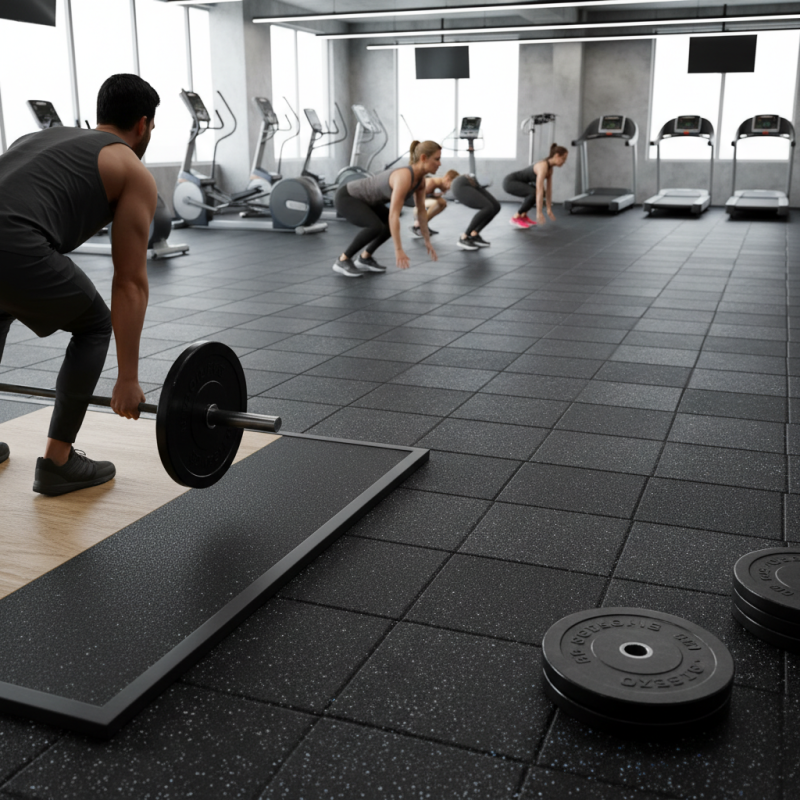
Gym rubber floor mats are essential in commercial and home gyms. They provide excellent cushioning and support during workouts. This helps to prevent injuries while exercising. Additionally, they absorb impact, which protects the floor and equipment underneath.
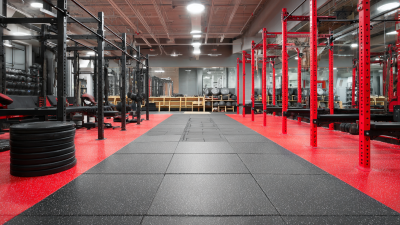
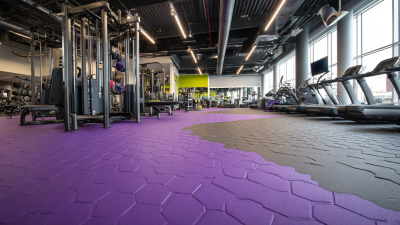
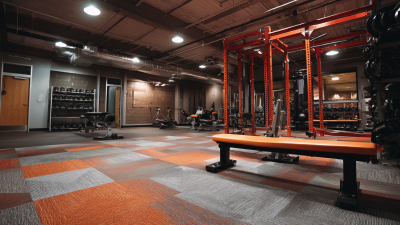
Rubber mats are also easy to clean and maintain. Their non-slip surface is crucial for safety, especially during high-intensity workouts. Some mats have interesting textures and colors. This can enhance the gym's aesthetic and motivate users. However, selecting the right thickness and material can be challenging. Users might need to experiment to find what feels best underfoot.
While these mats are durable, they can sometimes retain odors. Regular cleaning is required to maintain freshness. Some users may find the installation process tricky. It’s important to measure the gym space correctly to avoid wasted materials. Overall, gym rubber floor mats improve the workout environment significantly, but care should be taken in their selection and maintenance.
Factors to Consider When Selecting Gym Rubber Floor Mats
When selecting gym rubber floor mats, several factors become crucial.
Durability is essential, especially for high-traffic areas. A study by the
Rubber Manufacturers Association indicates that quality mats can last up to
15 years with proper maintenance. Users should evaluate the
thickness and density to ensure adequate cushioning during workouts.
Another important factor is traction. Mats need to provide a
non-slip surface, even when wet. Data from the
American Society for Testing and Materials shows that mats with good grip
reduce accident risks by up to 30%. This is vital for gyms
that host varied activities, from weightlifting to aerobics.
Finally, consider the ease of cleaning. Mats should be resistant
to stains and odors. A report from the International Journal of Sports Science
emphasizes that hygienic surfaces contribute to better user satisfaction. Materials that are easy to maintain
can save considerable time and resources. Users should also reflect on their specific needs and facility layout
to make the best choice.
Popular Brands of Gym Rubber Floor Mats for Global Buyers in 2026
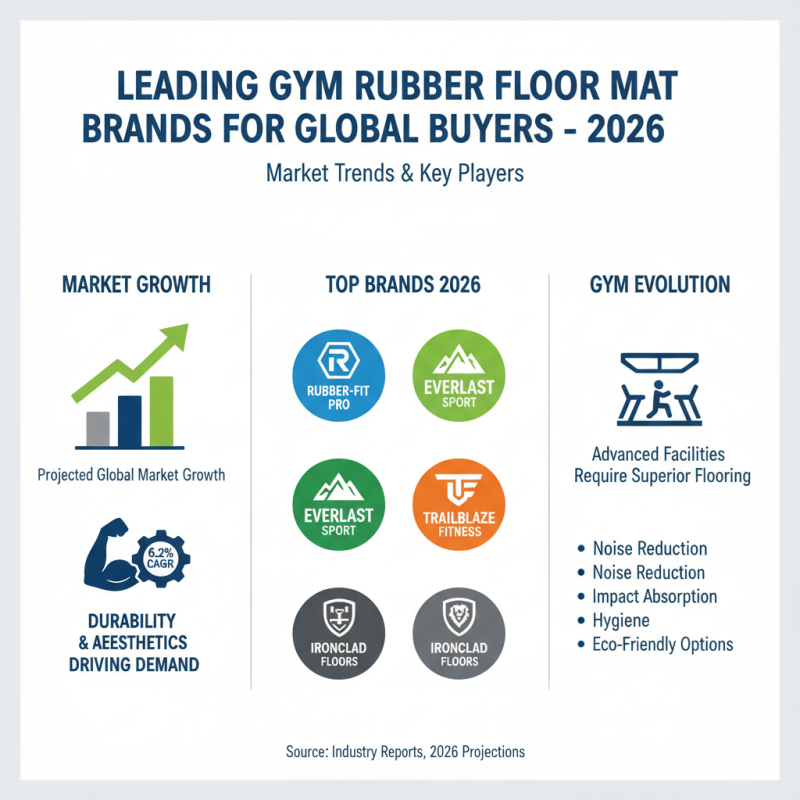
As gym facilities evolve, the choice of rubber floor mats becomes critical. In 2026, several brands stand out in the market. According to recent industry reports, the global gym flooring market is projected to grow at a CAGR of 6.2%. This growth underscores a rising demand for durable and aesthetic flooring solutions in fitness centers.
Research shows that rubber mats offer both safety and comfort. They are slip-resistant and provide excellent shock absorption. Many gyms favor interlocking rubber tiles for their versatility. However, the installation can be tricky, as improper alignment may lead to seams that trap dirt over time. Few gyms are prepared for this challenge.
Maintenance is another area needing consideration. While rubber mats have a long lifespan, they require regular cleaning to avoid wear. A study from a fitness industry analysis highlighted that 30% of gyms neglect maintenance, leading to premature degradation of mats. It's essential for buyers to ensure that the products they choose are easy to clean and maintain their appearance over time.
Comparative Analysis of Gym Rubber Floor Mats on the Market
When considering gym rubber floor mats, material quality is crucial. Most mats are made from natural or synthetic rubber. Natural rubber tends to be more durable and eco-friendly. However, synthetic options can offer greater resistance to moisture and spills. It’s essential to evaluate the specific needs of your space to find the right balance.
In analyzing various products, thickness is a critical factor. Thicker mats provide better cushioning, ideal for high-impact workouts. Yet, they can be cumbersome to handle. On the other hand, thinner mats are more portable, but they may not offer adequate support. Users often struggle to find the perfect thickness for their workout intensity.
Another aspect to consider is the mat's surface texture. Textured surfaces can improve grip, which enhances safety during exercises. Conversely, smoother surfaces may allow equipment to slide, posing risks. Understanding what your gym primarily offers will direct you toward the safest and most effective choice. The market remains diverse, and each option has its pros and cons.
Best Gym Rubber Floor Mats - Comparative Analysis 2026
This chart provides a comparative analysis of key features of gym rubber floor mats based on average ratings for 2026. The rating scale is from 1 to 10, covering aspects such as durability, shock absorption, price, ease of cleaning, and texture.
Maintenance Tips for Prolonging the Lifespan of Gym Rubber Floor Mats
Gym rubber floor mats are essential for any fitness space. To ensure they last, proper maintenance is crucial. Cleaning mats regularly helps eliminate dirt and grime. Use a mild detergent mixed with warm water for best results. Avoid harsh chemicals, as they can damage the mat's surface.
Additionally, check for wear and tear. Over time, even high-quality mats may show signs of aging. Look for cracks or peeling edges. If you spot these issues early, you can prolong the mat's lifespan. Rotate mats periodically. This distributes wear evenly.
Consider storing your mats in a dry area. Excess moisture can lead to mold and mildew. Wipe down the mats after use to keep them clean. With consistent attention, your gym mats can remain functional and attractive for years. Regular care makes a difference. Don’t overlook the importance of maintenance.
Best Gym Rubber Floor Mat for Global Buyers 2026? - Maintenance Tips for Prolonging the Lifespan of Gym Rubber Floor Mats
| Dimension |
Material Type |
Thickness (mm) |
Weight (kg per sq.m) |
Price (USD per sq.m) |
Maintenance Tips |
| 200x200 cm |
Recycled Rubber |
10 |
10 |
30 |
Regular cleaning with mild detergent,avoid harsh chemicals. |
| 100x100 cm |
Natural Rubber |
8 |
8 |
25 |
Wipe spills quickly to prevent stains, use a mat cleaner occasionally. |
| 150x150 cm |
Foamed Rubber |
12 |
6 |
20 |
Regular vacuuming,avoid direct sunlight to prevent fading. |
| 250x250 cm |
Vinyl-Coated Rubber |
15 |
12 |
35 |
Deep cleaning every 6 months,apply a protectant for longevity. |