Top Eva Foam Manufacturers in China for Quality Products?
The demand for high-quality EVA foam products is surging globally. According to recent market statistics, the EVA foam market is expected to reach $12.5 billion by 2027, growing at a CAGR of 6.8%. This highlights the critical role of EVA foam manufacturers in supplying diverse applications, from footwear to automotive interiors.
In China, several EVA foam manufacturers stand out for their quality and innovation. They employ advanced technologies and maintain rigorous quality control processes. This ensures that their products meet international standards. However, not all manufacturers deliver consistent results. Some may compromise quality for cost, leading to unreliable products.
Choosing a legitimate manufacturer requires careful consideration. Buyers should evaluate manufacturers based on their production capabilities, certifications, and customer feedback. An informed decision can significantly impact the quality and performance of the end products. Engaging with reputable EVA foam manufacturers can enhance product quality and competitiveness in the marketplace.
Overview of EVA Foam and Its Applications in Various Industries
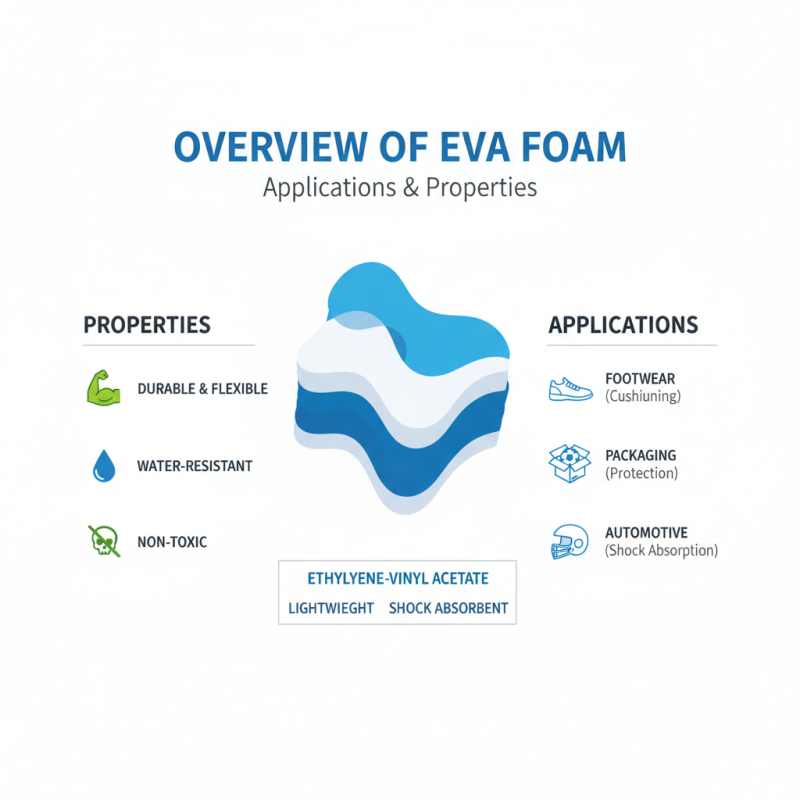
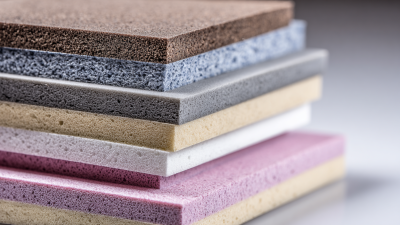
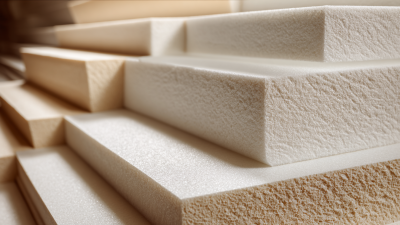
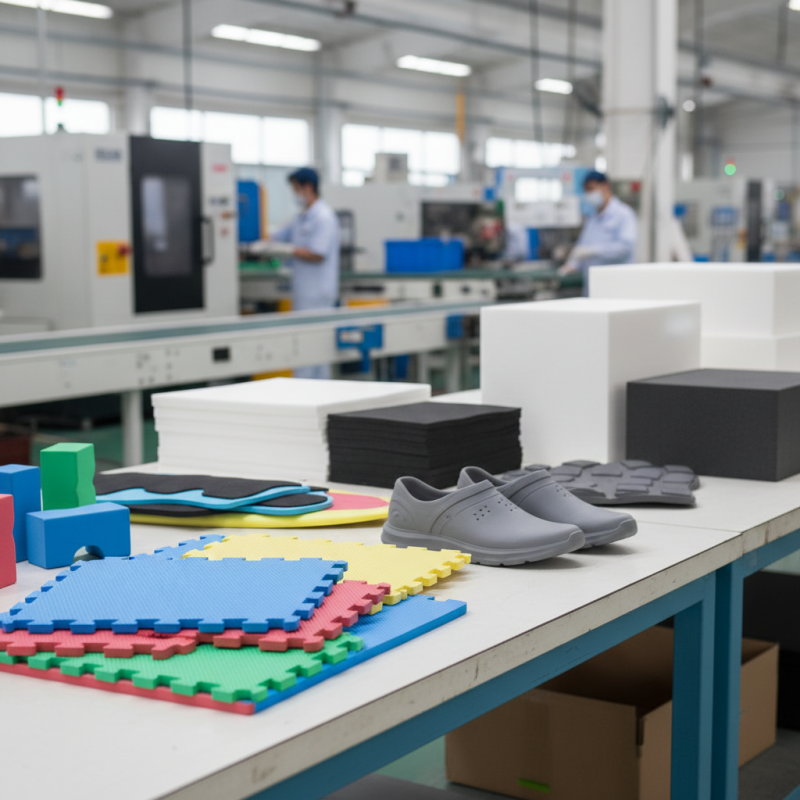
EVA foam, short for Ethylene-Vinyl Acetate, is a versatile material known for its durability and flexibility. It finds applications in various industries, including footwear, packaging, sports, and automotive. This lightweight foam provides excellent shock absorption, making it a preferred choice for cushioning products. Its water resistance and non-toxic properties add to its popularity.
In the footwear industry, EVA foam is commonly used in midsoles to enhance comfort. It helps reduce foot fatigue during prolonged wear. In packaging, this foam protects delicate items from damage during shipping. The sports sector also benefits from EVA foam in equipment like mats and pads, providing safety and support during physical activities.
Tip: When choosing EVA foam products, consider density and thickness. Thicker foam generally offers better cushioning. Also, check for certifications to ensure safety and quality.
Despite its many advantages, EVA foam can degrade over time when exposed to UV light. This is an area that requires consideration, especially for outdoor applications. Users must also be mindful of the foam's recyclability. Not all EVA products are equally eco-friendly.
Tip: Regular maintenance can prolong the life of EVA foam items. Clean them with mild soap and water to avoid damaging the material.
Key Factors Influencing the Quality of EVA Foam Products in Manufacturing
When manufacturing EVA foam products, several key factors influence their quality. One major aspect is the material sourcing process. High-quality raw materials lead to better durability and performance. Manufacturers must be diligent in selecting suppliers. Often, overlooking this step leads to compromised product integrity.
Another important factor is the production technology used. Advanced machinery and techniques can significantly enhance the foam’s texture and resilience. However, some manufacturers may cut corners to save costs, affecting the final outcome. Regular machinery maintenance is crucial, yet often neglected, risking production inconsistencies.
Additionally, quality control procedures play a vital role. Comprehensive testing ensures that the final product meets safety and performance standards. Unfortunately, some manufacturers may bypass rigorous quality checks, leading to defects. Regular training for staff on quality assurance practices is essential, but it’s often undervalued in many operations. Emphasizing these areas can greatly improve the overall quality of EVA foam products.
Top Eva Foam Manufacturers in China for Quality Products
| Manufacturer Type |
Production Capacity (tons/year) |
Quality Certification |
Key Applications |
Customer Satisfaction Rate (%) |
| Automotive |
20,000 |
ISO 9001, IATF 16949 |
Car interiors, Sound insulation |
95 |
| Sports Equipment |
15,000 |
ISO 14001, SGS |
Mats, Padding |
92 |
| Construction |
25,000 |
ISO 9001 |
Insulation Boards, Flooring |
90 |
| Packaging |
10,000 |
ISO 9001, FDA |
Protective Packaging |
88 |
| Consumer Goods |
30,000 |
ISO 9001, BSCI |
Toys, Household Items |
93 |
Top EVA Foam Manufacturers in China: Market Share and Production Capacity
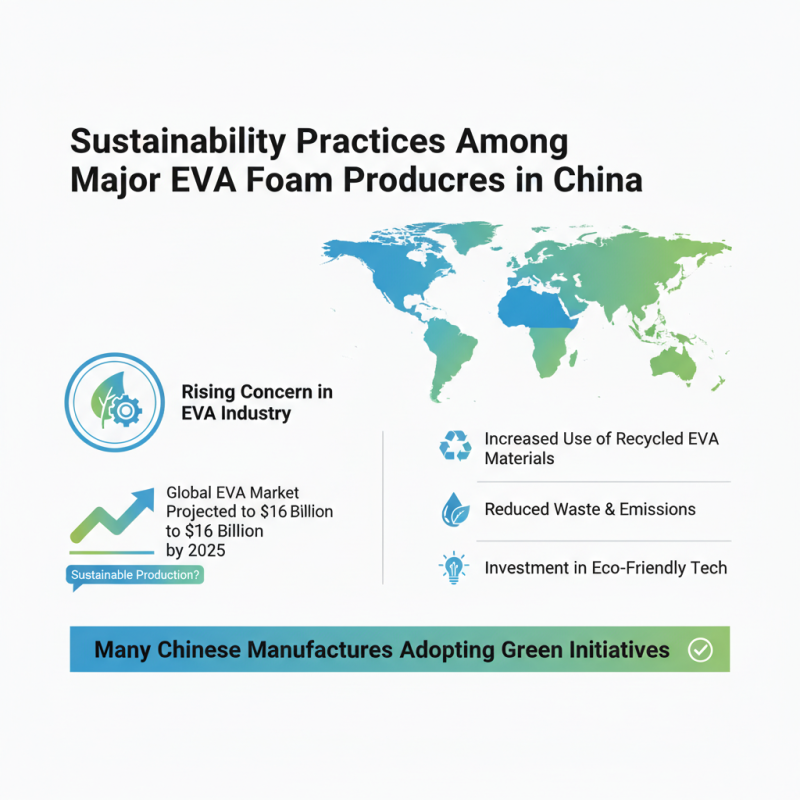
China's EVA foam market is rapidly expanding. According to recent industry reports, the market share of EVA foam products is expected to grow significantly over the coming years. By 2025, it is projected to reach $18 billion. This growth is driven by increased demand in various sectors, including packaging, automotive, and sports equipment.
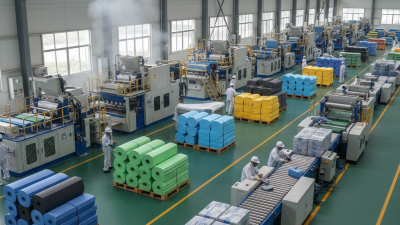
Leading manufacturers in China have established impressive production capacities. Some factories operate with annual outputs exceeding 50,000 tons. These facilities utilize advanced technologies to ensure high-quality production and efficient operations. Quality control is essential, as inconsistencies can lead to product failures. Many manufacturers are adopting stricter quality standards to meet international requirements.
In addition to sheer volume, innovation plays a vital role. Companies are developing new formulations to enhance the properties of EVA foam. This includes improving durability, elasticity, and thermal resistance. However, some manufacturers still struggle with resource management and production efficiency. Adjusting to market demands while maintaining quality is an ongoing challenge.
Innovations and Trends in EVA Foam Technology by Leading Manufacturers
The evolution of EVA foam technology showcases exciting innovations. Leading manufacturers are investing in research to enhance performance and sustainability. They aim to create products that are not only durable but also environmentally friendly. This shift is evident in the use of bio-based additives. These additives reduce reliance on conventional synthetics. Furthermore, innovations in manufacturing processes improve efficiency and reduce waste.
New methods allow for better customization of EVA foam products. Manufacturers can now tailor density and flexibility to meet specific needs. This customization addresses growing demands across various industries, from athletic footwear to automotive applications. Moreover, developments in color and texture techniques offer a broader aesthetic appeal. However, challenges remain in balancing cost with these advanced features.
Another trend is the integration of smart technology into EVA foam. Some manufacturers experiment with embedded sensors to create responsive materials. These innovations could revolutionize industries like healthcare and sports. Yet, the complexities of such integrations require careful consideration. Ensuring reliability and performance can be a daunting task. While progress appears promising, ongoing research is essential to overcome these hurdles effectively.
Top EVA Foam Manufacturers in China - Market Share Over Time