Top Eva Foam Manufacturers You Need to Know About?
In today’s diverse manufacturing landscape, EVA foam has become increasingly popular due to its unique properties. It is durable, lightweight, and versatile, making it ideal for various applications. As the demand for EVA foam rises, understanding key players in the industry is essential. This is where Eva Foam Manufacturers come into play.
These manufacturers not only produce high-quality EVA foam but also innovate continuously to meet market needs. Their expertise ranges from producing foam for footwear, sporting goods, to packaging materials. With numerous options available, identifying the right manufacturers can be challenging. Not all manufacturers are created equal, and some may not always meet industry standards. Research and reviews can help navigate these complexities.
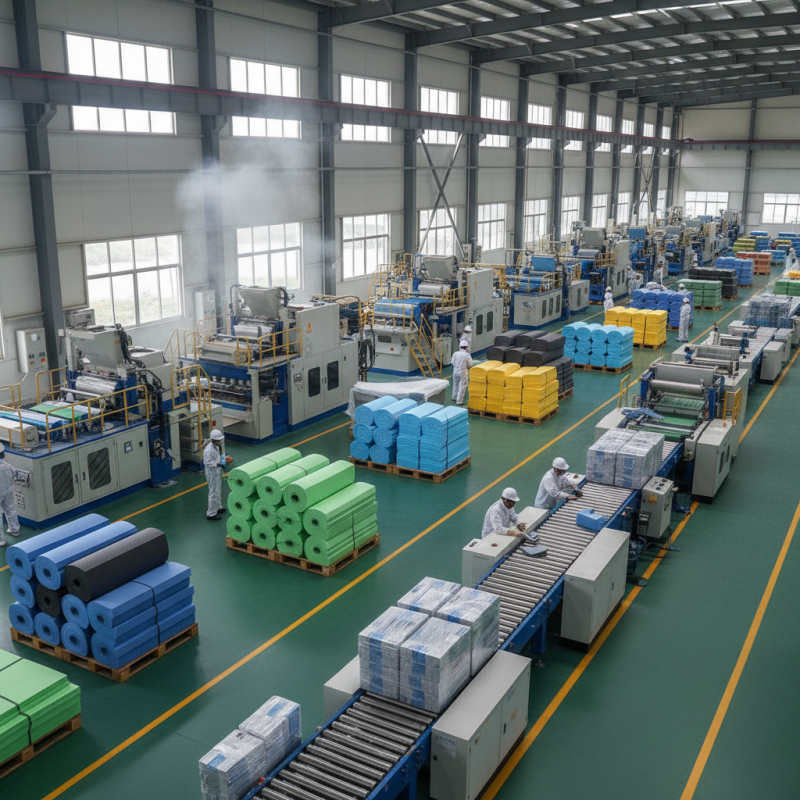
Highlighting top Eva Foam Manufacturers provides insight into who leads the market. These companies have earned credibility through consistent quality and customer satisfaction. By focusing on reliable choices, buyers can avoid pitfalls. Reliable manufacturers understand the nuances of EVA foam production. They invest in modern technologies to enhance product offerings.
Overview of EVA Foam and Its Applications
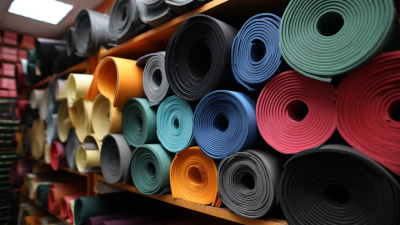
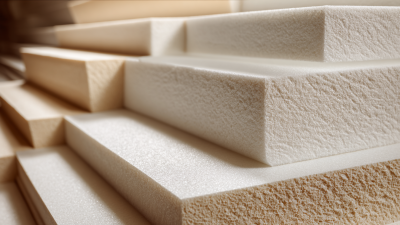
EVA foam, known for its lightweight and flexible properties, has become increasingly popular in various industries. This thermoplastic material is a copolymer of ethylene and vinyl acetate, giving it excellent shock absorption abilities. People often use EVA foam in products like shoes, mats, and sporting goods. Its cushioning effect makes it ideal for protecting sensitive items.
The applications of EVA foam extend beyond everyday products. In the automotive industry, it serves as sound dampening material. Additionally, it finds a place in the packaging sector, providing protective layers for fragile goods. Its versatility allows it to adapt to different environments, which is appealing for designers and manufacturers alike.
Although EVA foam has many benefits, there are challenges. For instance, its durability can sometimes be questioned under extreme conditions. Furthermore, environmental concerns arise with its production and disposal. These issues prompt companies to seek more sustainable alternatives. The evolution of EVA foam continues, reflecting a balance between innovation and responsibility.
Top Eva Foam Manufacturers You Need to Know About
| Application |
Material Thickness |
Density (kg/m³) |
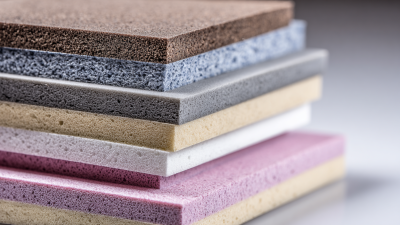
Color Options |
Typical Uses |
| Packaging |
2-10 mm |
30-50 |
Black, White, Custom Colors |
Protective Cases, Cushioning |
| Flooring |
8-20 mm |
50-200 |
Various Colors |
Gym Mats, Play Areas |
| Sports Equipment |
5-15 mm |
40-80 |
Red, Blue, Green |
Yoga Mats, Shock Pads |
| Automotive |
3-15 mm |
60-100 |
Black, Gray |
Interior Padding, Seals |
| Medical |
1-10 mm |
50-120 |
White, Light Blue |
Cushioning, Supports |
Key Characteristics and Benefits of EVA Foam Materials
EVA foam, known for its versatility and durability, has gained significant traction across various industries. Its lightweight nature makes it ideal for applications in sports, footwear, and packaging. According to a recent market analysis, the global EVA foam market was valued at approximately $3.5 billion in 2022. This growth trend is predicted to continue, driven by the material's unique characteristics.
One standout characteristic of EVA foam is its excellent shock absorbency. This feature is particularly valuable in athletic gear, where it helps reduce impact and prevent injuries. Additionally, EVA foam is resistant to UV radiation and chemicals, making it suitable for outdoor applications. The material’s closed-cell structure offers waterproof qualities, as highlighted by industry reports indicating a 15% increase in demand for waterproof EVA products in recent years.
While EVA foam presents many advantages, it is not without challenges. The production process can result in inconsistent density levels, which may affect performance. Furthermore, environmental concerns regarding its biodegradability have prompted discussions on sustainable alternatives. As the industry evolves, balancing performance with sustainability will be crucial for future innovations in EVA foam materials.
Top EVA Foam Characteristics and Their Benefits
Leading Manufacturers in the EVA Foam Industry
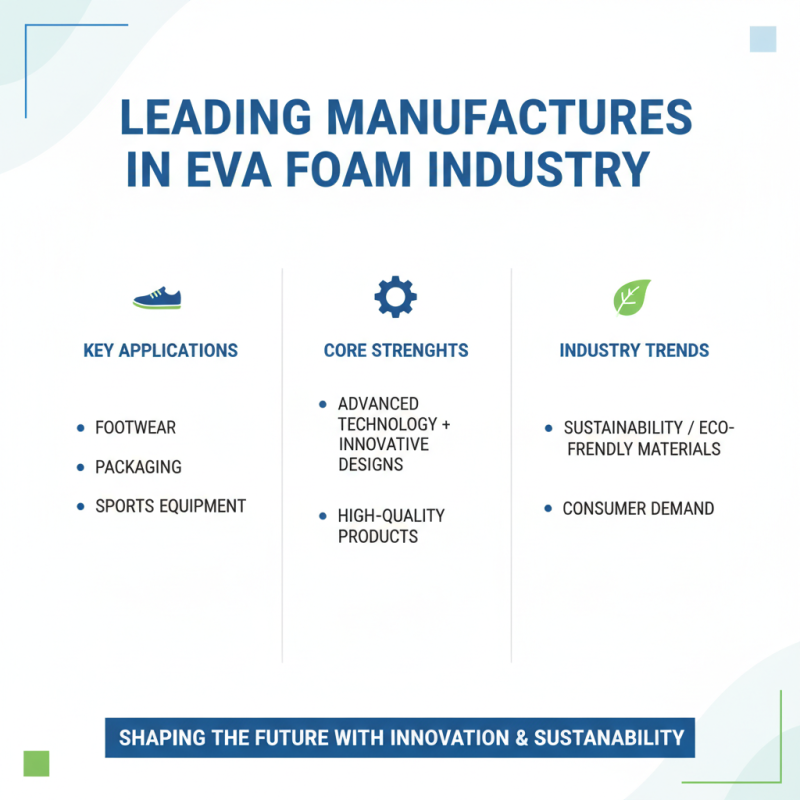
In the EVA foam industry, several manufacturers lead the market. Their expertise shapes various applications, including footwear, packaging, and sports equipment. These companies combine advanced technology with innovative designs, ensuring high-quality products. Many focus on sustainability in their production processes, using eco-friendly materials. This trend is increasingly important to consumers.
Understanding the qualities of EVA foam is crucial. The material offers excellent cushioning and durability, making it ideal for multiple uses. Manufacturers are investing heavily in research to create lighter and stronger products. Some struggle with maintaining consistency in quality, which can impact customer satisfaction. Effective communication in the supply chain is vital to overcoming these challenges.
Choosing the right manufacturer requires careful consideration. Buyers should evaluate the production techniques and certifications of potential partners. Engaging with industry experts can provide deeper insights into the capabilities of different manufacturers. The journey of finding the best fit is complex but worth it for the benefits that quality EVA foam can bring.
Innovative Products and Technologies in EVA Foam Production
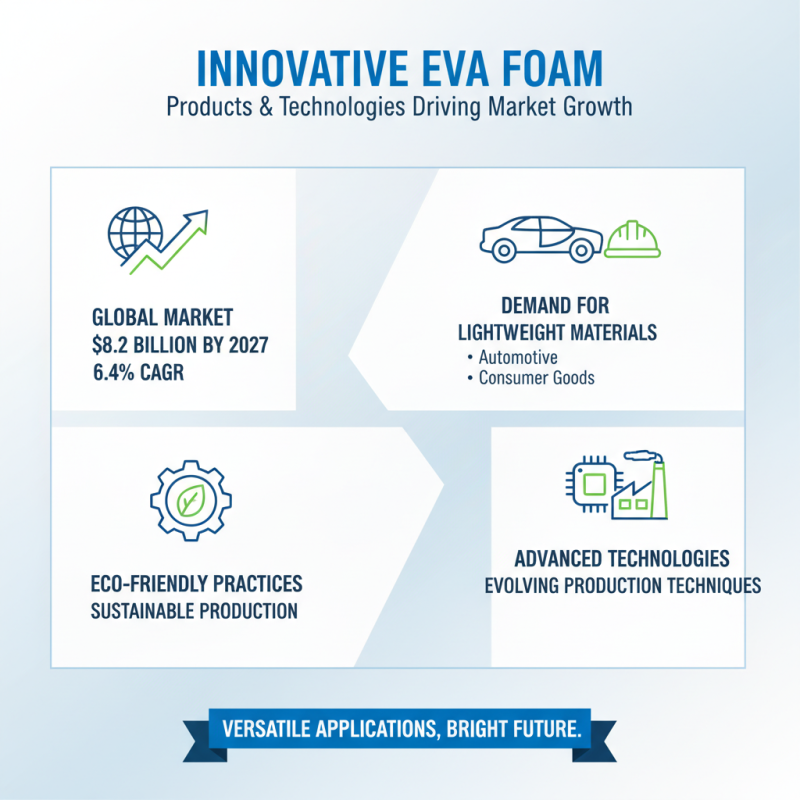
EVA foam has gained significant traction for its innovative applications in various industries. Reports highlight that the global EVA foam market is projected to reach $8.2 billion by 2027, growing at a CAGR of 6.4%. This growth is largely driven by the demand for lightweight materials in automotive, construction, and consumer goods. Manufacturers are evolving their production techniques, integrating eco-friendly practices and advanced technologies.
Recent advancements include the use of closed-cell foam, enhancing the material's durability. This type of foam resists moisture and provides excellent impact absorption. Many companies are now experimenting with additives to improve the foam's thermal and UV resistance. Studies indicate that these innovations can improve product lifespans and performance.
However, challenges remain in terms of recycling and sustainability. While EVA foam is versatile, its disposal poses environmental concerns. Efforts are being made to develop recycling methods, yet much work is needed. The industry must balance innovation with eco-responsibility to fully realize EVA foam's potential. Understanding these dynamics is vital as the market continues to evolve.
Market Trends and Future Prospects for EVA Foam Manufacturers
The EVA foam market is experiencing significant growth, driven by its versatility and numerous applications. According to industry reports, the global EVA foam market is projected to reach $6.6 billion by 2025, with a CAGR of 7.5% from 2020 to 2025. This growth is largely attributed to increased demand in sectors like automotive, footwear, and packaging. The shift toward lightweight materials is also influencing this trend.
As manufacturers adapt to changing needs, sustainability becomes a priority. Eco-friendly production processes and recyclable materials are now essential for attracting environmentally-conscious consumers. A recent survey highlighted that 70% of global consumers prefer brands with a sustainable focus. This presents opportunities for companies willing to innovate.
Tip: Investing in advanced technologies can enhance efficiency and reduce waste. Stay informed about emerging trends and consumer preferences. Collaborating with suppliers who prioritize sustainability can help maintain a competitive edge. The market is evolving, and those who adapt will thrive.