Best Foam Mats for Kids and Home Use What to Look For?
Choosing the right foam mat can significantly impact your child’s playtime and safety. Renowned foam mat expert Dr. Emily Carson once stated, "Quality foam mats provide both comfort and protection for active play." With many options available, parents must understand what makes an ideal foam mat.
Foam mats vary in materials, thickness, and design. Some mats are made from eco-friendly materials, while others prioritize cushioning. Durability is crucial, especially for busy households. Parents should also consider non-toxic certifications to ensure safety for their little ones.
While many assume all foam mats are the same, that's far from true. Certain mats may lack proper stability or firmness. Researching brands and reading reviews can prevent poor choices. In the end, a good foam mat not only enhances playtime but also contributes to a safer environment.
Factors to Consider When Choosing Foam Mats for Kids
When selecting foam mats for kids, several important factors must be considered. Safety tops the list. Mats should be non-toxic and free from harmful chemicals. The Consumer Product Safety Commission highlights that a safe environment reduces injury risks during playtime.
Durability is another key factor. Kids are active, so mats must withstand wear and tear. A study from the National Association of Home Builders indicates that high-quality mats can last up to five years or more with proper care. This durability ensures they remain an investment rather than a recurring cost.
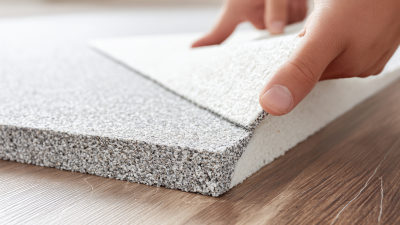
Texture and size also play a role. Mats should offer grip without being too soft. A slippery surface can lead to accidents, while a firm texture provides comfort. Consider the space available. If not used for a specific area, modular mats allow flexibility in arrangement.
Tip: Always check mat thickness. Thicker mats offer better cushioning but might be less stable.
Also, maintenance is essential. Some mats are easy to clean, while others require special care. Read labels for cleaning instructions to avoid damaging the mats.
Tip: Regularly inspect mats for wear and tear. Prompt replacement of damaged areas prevents larger safety issues.
Types of Foam Mats Available for Home Use
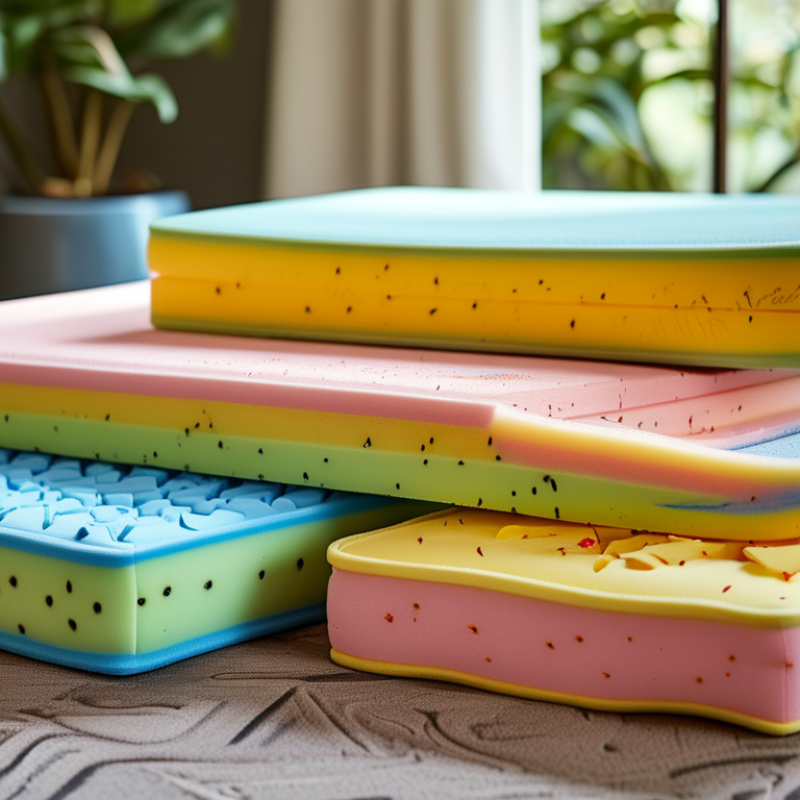
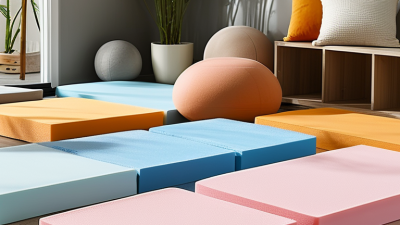
When choosing foam mats for home use, it's essential to understand the different types available. Foam mats cater to various needs and preferences, providing comfort and safety for both kids and adults. One common type is interlocking foam tiles. These mats are versatile and easy to assemble. They can be used in playrooms or exercise areas. They often come in colorful designs, which can engage children.
Another popular option is large foam playmats. These mats serve as a soft surface for infants and toddlers to crawl and play on. They frequently feature fun patterns or educational themes. Some mats are reversible, offering two designs in one. This flexibility can be valuable as tastes and needs change.
Lastly, consider thick foam mats for high-impact activities. These mats provide additional cushioning and can be vital in reducing slips and falls during play. They can also be used in fitness zones for yoga or martial arts. However, keep in mind that some mats may have a rubbery smell initially, which could be off-putting. Always ensure the mats meet safety standards, especially when used for children.
Best Foam Mats for Kids and Home Use
This chart illustrates the different types of foam mats available for home use, highlighting their popularity based on user preferences. The data reflects the percentage of users favoring each type of foam mat.
Safety Features in Foam Mats for Children
When selecting foam mats for children, safety should be a priority. High-quality materials help prevent slips and falls. Look for mats made from non-toxic foam, ensuring they are safe for little ones to play on. Not every mat offers adequate cushioning, which is crucial for protecting young joints as they tumble and roll. A properly cushioned mat provides a soft landing, reducing the risk of injuries.
Another critical safety feature is the mat's grip. Mats with anti-slip surfaces can keep children stable. This is particularly important on smooth floors where accidents can easily happen. Some mats have rounded edges to avoid sharp impacts during play. Parents should also check for certifications that verify the product's safety standards. However, not every manufacturer adheres to these standards, leaving some products questionable.
Consider ease of cleaning as a safety aspect, too. Foam mats can quickly accumulate dirt and allergens. Choosing mats that are easy to wipe down or machine washable helps maintain a clean play environment. While aesthetics are important, safety should always guide your choice. Ignoring these details can lead to regrettable situations. It’s essential to balance looks with practical safety features, ensuring children can play freely without unnecessary risks.
Maintenance and Cleaning Tips for Foam Mats
Keeping foam mats clean is essential for maintaining a safe environment for children. Regular maintenance helps prevent the buildup of dirt and allergens. Use a gentle vacuum to remove debris weekly. For deeper cleaning, a damp cloth with mild soap works well. Wipe down the mats, ensuring no soap residue is left behind.
Tips include checking for damaged areas. If you notice cracks or tears, repair them promptly. This can prevent further damage and keeps the mats safe for play. Rotate the mats periodically to ensure even wear, especially in high-traffic areas.
In case of spills, act quickly. Blot excess liquid immediately to prevent stains. Avoid harsh chemicals, as they can damage the foam. Instead, consider using a vinegar-water solution for stubborn stains. Keeping your foam mats clean not only enhances their lifespan but also contributes to a healthier home atmosphere.
Cost-Effectiveness and Budget Planning for Foam Mats
When considering foam mats for kids and home use, cost-effectiveness is key. According to a recent consumer report, over 70% of families prioritize budget-friendly options. Foam mats range significantly in price. A basic mat can cost as little as $15, while high-end mats can exceed $150. This wide price range may cause confusion about quality.
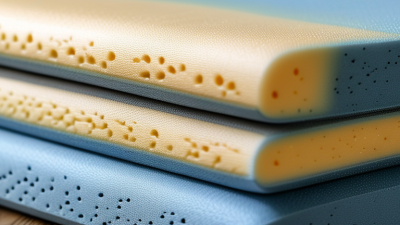
Investing in high-quality foam mats often pays off. Lower-priced mats may wear quickly, leading to replacement costs. On average, families replace cheaper mats every 12 months, while premium options last up to four years. This longevity translates to savings. Experts suggest examining the thickness, density, and material. These factors impact durability and safety.
Additionally, bulk purchase options could lower costs. Many families find success by buying larger sets. Research shows that 60% of parents find this approach budget-friendly. However, evaluating your home's needs is important before committing. Balancing cost and quality ensures you get the best value.