How to Choose the Best Foam Mat for Your Needs?
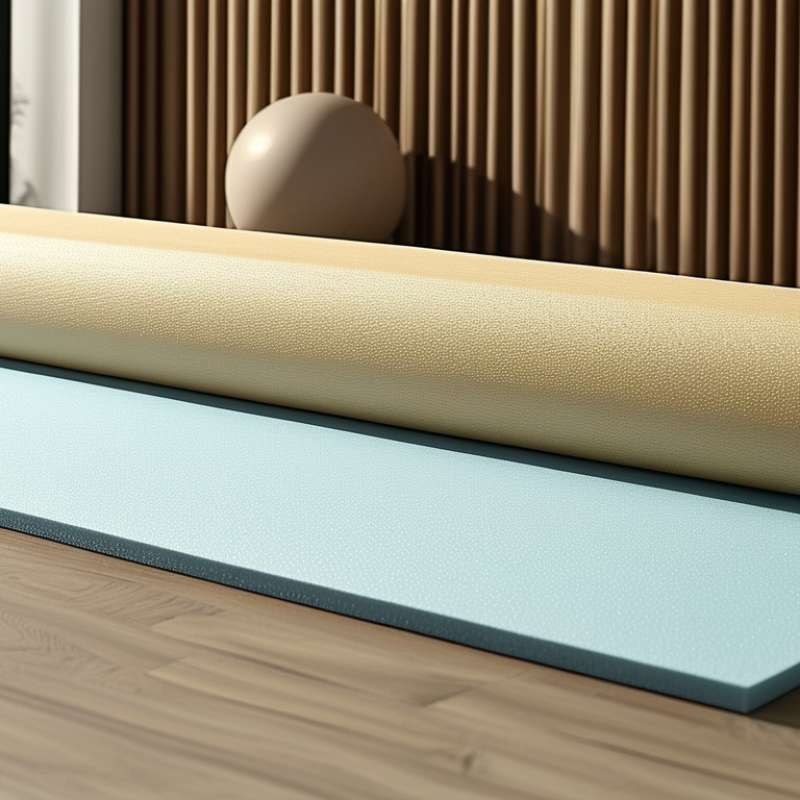
Choosing the right foam mat can significantly enhance your comfort and safety. With various options available, understanding your needs is essential. Foam mats serve multiple purposes, including exercise, play areas for kids, and flooring solutions for home gyms.
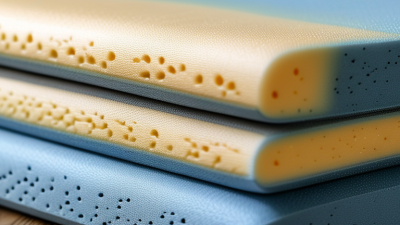
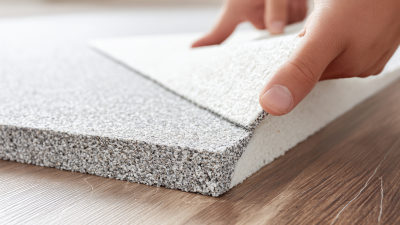
Consider factors like thickness, material, and density when selecting a foam mat. Thickness impacts cushioning and support, while material affects durability and ease of cleaning. For instance, EVA foam is popular for its resilience and comfort. Don't overlook the size and design, as they should fit your space and aesthetic preferences.
Reflecting on your requirements can lead to better choices. Are you using it for yoga, workouts, or children's activities? Each scenario demands different features. In the end, selecting a foam mat tailored to your needs is crucial for maximizing its benefits.
Types of Foam Mats and Their Features
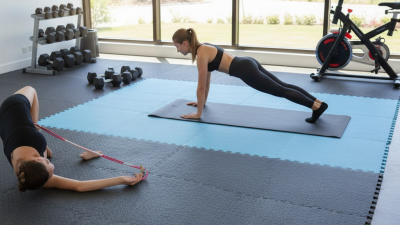
When selecting the right foam mat, understanding the various types available is crucial. Interlocking foam mats are popular for their easy assembly. They often come in colorful designs. These mats offer cushioning, making them ideal for exercise spaces. They're also great for children's play areas. However, some users may find the texture uncomfortable over time.
Another common type is the puzzle foam mat. These mats feature interlocking pieces that can be configured in various ways. They provide excellent shock absorption, which is beneficial for activities like yoga or martial arts. However, users may encounter issues with seams coming apart after extensive use.
Finally, there are roll-out foam mats, designed for larger areas. They offer a seamless surface that is easy to clean. These mats are suitable for gyms or home workout rooms. But, they can be bulky and challenging to store. When choosing a foam mat, consider your specific needs and the environment where it will be used.
Comparison of Foam Mat Types and Their Features
Factors to Consider When Choosing Foam Mats
When selecting foam mats, several factors must be taken into account.
Comfort is key, especially for activities like yoga or workouts.
A report by the International Journal of Sports Physiotherapy emphasizes that the thickness of a mat can impact performance and safety. Mats typically range from ½ inch to 2 inches thick. Thicker mats provide more cushioning but may be less stable during balance workouts.
Durability also plays a crucial role. Research from the Foam Manufacturers Association indicates that high-density foam exhibits greater longevity compared to lower-density options. This means spending slightly more on a quality mat can yield long-term benefits. Additionally, the mat's surface texture contributes to grip.
Smooth surfaces may be slippery during intense activities, while textured surfaces provide better traction.
Finally, size matters. A foam mat should fit your workout space. Consider both length and width to ensure ample room for movement. Many users overlook the importance of non-toxic materials. Choosing mats labeled as free from harmful chemicals is advisable for health safety. Ultimately, evaluating these aspects thoughtfully ensures you select the right foam mat for your needs.
Assessing Durability and Quality of Foam Mats
When selecting a foam mat, durability and quality are paramount.
A top-notch foam mat should withstand heavy use and remain in prime condition over time.
Factors like density and thickness play significant roles in determining longevity.
High-density foams typically offer better support and durability. Look for mats that can endure heavy foot traffic without losing their structure.
Pay attention to the foam's material composition. Non-toxic, environmentally friendly options are preferable.
Check for certifications that ensure safety standards. However, finding a balance between softness and firmness can be tricky.
Some softer mats may compress quickly, losing their effectiveness. It's crucial to test the mat before deciding.
A bouncing test can show how well it responds to pressure.
Don’t overlook the cover of the foam mat.
A durable outer layer can enhance longevity and make maintenance easier.
Waterproof or spill-resistant covers are ideal for certain environments.
However, consider your needs carefully. A beautiful mat can be tempting but might not offer the best support.
Always reflect on what you're prioritizing: aesthetics or functionality.
Sometimes, choosing the less visually appealing option leads to better overall satisfaction.
Understanding Thickness and Density in Foam Mats
When selecting a foam mat, understanding thickness and density is crucial. Thickness generally impacts the comfort and cushioning of the mat. A thicker mat, often ranging from 1 to 2 inches, provides more shock absorption. This can be especially beneficial for high-impact activities like aerobics or weightlifting. However, too much thickness can lead to instability during balance-intensive exercises.
Density is another important factor to consider. Foam density affects how well the mat maintains its shape over time. Higher density foam, typically around 5 pounds per cubic foot, tends to be more durable. It resists compression better than low-density foam. According to a report from the American Foam Association, mats with higher density often perform better in long-term usage. Yet, low-density options may initially feel softer, which can be misleading when assessing comfort.
It’s essential to balance these factors based on your specific needs. For instance, a yoga practitioner might prioritize a thinner, denser mat for better floor connection. Meanwhile, someone engaging in high-impact training may favor a thicker option. Always consider the intended use and personal preferences. Ultimately, selecting the right foam mat requires careful thought about both thickness and density.
How to Choose the Best Foam Mat for Your Needs?
| Mat Type |
Thickness (inches) |
Density (lbs/ft³) |
Purpose |
| Interlocking Foam Mat |
0.5 |
4 |
Kids' Play Area |
| Gym Flooring Foam |
1.0 |
6 |
Weight Training |
| Memory Foam Mat |
2.0 |
2.5 |
Yoga and Stretching |
| Anti-Fatigue Foam Mat |
0.75 |
5 |
Standing Workstations |
| Puzzle Foam Mat |
0.625 |
3.5 |
Indoor Sports |
Budgeting: Finding Affordable Foam Mats Without Compromising Quality
When considering foam mats, affordability is key. Budget-friendly options are available, yet quality should never be compromised. Searching online can yield various choices, but it is crucial to focus not just on price, but also on material durability and comfort. Look for mats made with high-density foam, as they tend to provide better support and longevity.
Read reviews before purchasing. Genuine feedback often reveals the real performance of the mats. Not every cheap foam mat will meet your expectations. Some might compress too quickly or lack stability. Additionally, consider the intended use. Exercise mats, play mats, or flooring for pets all require different thickness levels and textures. Even within a budget, it is wise to invest in a product that fulfills your specific needs.
In conclusion, finding affordable foam mats is possible with careful research. Look for options that provide the best quality within your price range. Don’t shy away from asking questions or seeking professional advice. Whether for exercise or leisure, a good foam mat can make a significant difference. Prioritize your requirements and make informed decisions.