2026 Best Foam Mat Options for Global Buyers to Consider?
When considering purchase options for foam mats, buyers must evaluate their diverse needs and preferences. Recent reports indicate that the global foam mat market is expected to reach $4.5 billion by 2026, driven by increasing awareness of health and wellness. Foam mats offer essential benefits, such as shock absorption and comfort, making them popular for various activities, from yoga to play areas.
Interestingly, not all foam mats are created equal. Some may lack durability, while others may contain harmful chemicals. It's crucial to choose products with non-toxic certifications to ensure safety. Industry experts suggest reviewing customer feedback and material specifications before making a decision.
Ultimately, the right foam mat can enhance your experience, but buyers should remain critical. Compare different types and brands to find the best fit. This cautious approach ensures you invest in a quality product that meets your needs while prioritizing health and safety.
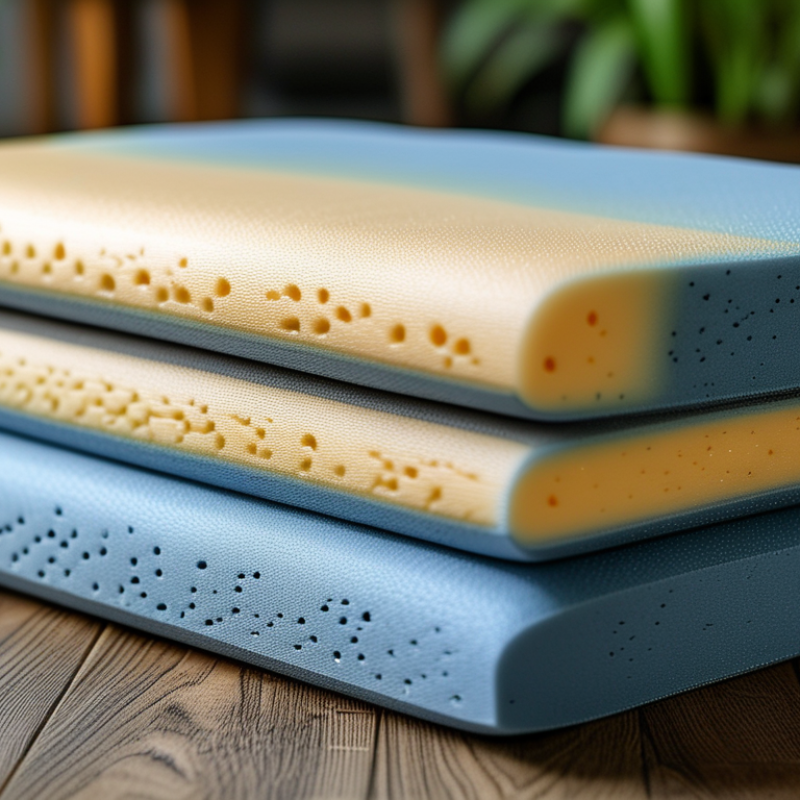
2026 Foam Mat Market Overview: Trends and Growth Projections
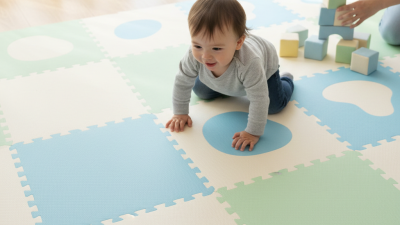
The foam mat market is experiencing significant changes. Industry analysts project that the market will reach $1 billion by 2026. This growth is driven by increased demand for versatile flooring solutions. Consumers are now looking for mats that offer safety and comfort. This trend is particularly strong in fitness and children's play areas.
The demand for eco-friendly materials is increasing. Approximately 40% of consumers prefer products made from sustainable sources. The rise in health and wellness trends also enhances market strength. Home fitness enthusiasts need mats that provide adequate support and cushioning. However, some products may not perform as expected. The durability and maintenance of certain foam mats need careful consideration.
Emerging markets are also showing promise. Countries in Asia-Pacific are expected to contribute significantly to global sales. Yet, challenges remain with quality control and price competition. Buyers should be mindful of these factors. As the market evolves, staying informed will be crucial for making the best choices in foam mats.
Key Factors Driving Foam Mat Demand in Global Markets
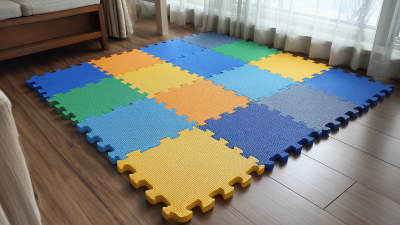
The demand for foam mats is sharply rising in global markets. As more consumers prioritize health and wellness, foam mats are gaining popularity. Their versatility makes them suitable for gyms, play areas, and home workouts. The need for comfort and safety during physical activities drives many purchases.
Another factor boosting foam mat demand is the increasing focus on home fitness. With many preferring to exercise at home, comfortable flooring becomes essential. Foam mats offer cushioning that protects joints. Moreover, their easy maintenance appeals to busy lifestyles.
Sustainability also plays a role. Eco-friendly materials in foam mats attract environmentally conscious buyers. However, not all products labeled as sustainable are genuinely so. Consumers should research and ensure they make informed choices. A gap remains between perception and reality in this market.
Material Comparison: EVA vs. PU Foam in Quality and Durability
When choosing foam mats, understanding the material is key. EVA (ethyl vinyl acetate) and PU (polyurethane) foam are popular options. Each has distinct qualities that can impact your decision.
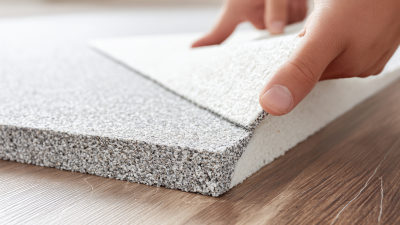
EVA foam is lightweight and offers good cushioning.
It’s often more affordable and provides decent traction, making it suitable for various activities.
On the other hand, PU foam is known for its superior durability. It retains its shape better over time and withstands heavier use.
For those looking for longevity, PU might be the better choice.
However, it can come at a higher price point. Often, consumers might overlook the long-term investment benefits of a durable material.
While EVA foam may be easier to find and initially cheaper, it might not hold up well under rigorous conditions. Users should consider their specific needs before deciding. Balancing budget with quality is essential. Each foam type has its pros and cons; reflecting on personal usage will help guide the final choice.
Top Brands to Watch in the Foam Mat Industry for 2026
The foam mat industry is experiencing rapid growth, driven by increasing awareness of wellness and fitness. According to recent market analyses, the global foam mat market is projected to reach $2.5 billion by 2026, growing at a CAGR of 6.8%. This growth is influenced by rising demand for ergonomic and adaptive equipment across sectors, including home gyms and early childhood education.
Several brands are emerging as leaders in this space. They focus on quality, safety, and innovative materials. Research indicates that eco-friendly foam options, made from recycled materials, are gaining traction among consumers. These environmentally conscious products not only benefit users but also the planet. However, the challenge remains in balancing cost and sustainability. Some consumers may hesitate to invest in premium options, questioning whether they warrant the price tag.
Furthermore, the competitive landscape is complex. Many new entrants claim superior quality or safety features, but often lack proven track records. Buyers should be cautious and seek out certifications or third-party reviews to ensure product reliability. As the industry evolves, the importance of thorough research and informed choices cannot be overstated.
2026 Best Foam Mat Options for Global Buyers
Consumer Preferences: Safety Standards and Eco-Friendly Options in Foam Mats
Choosing the right foam mats involves understanding consumer preferences, especially regarding safety and eco-friendliness. Recent studies indicate that over 75% of buyers prioritize mats made from non-toxic materials. This trend reflects growing concerns about indoor air quality and children's health.
Safety standards are crucial. The Foam Association reports that products should meet strict guidelines to avoid harmful chemicals. Consumers should look for certifications like CertiPUR-US® or OEKO-TEX, ensuring the mats are free from harmful substances. Pregnant women and children are particularly sensitive to such toxins.
However, while many mats claim to be eco-friendly, not all meet stringent environmental standards. Some products labeled as "green" use misleading marketing. An industry report highlights that nearly 40% of consumers are unsure about the environmental claims of foam products. This uncertainty calls for caution and thorough research before purchase.
Tip: Always read reviews and check for certifications. They provide insight into product quality and safety.
Tip: Consider the lifespan of the mat. An eco-friendly mat may cost more initially but save money over time.
Tip: Explore recycling options. Proper disposal benefits the environment and promotes sustainability.