
20+ years of production experience
Leave Your Message

How to Choose the Best ABC Foam Mat for Your Needs?

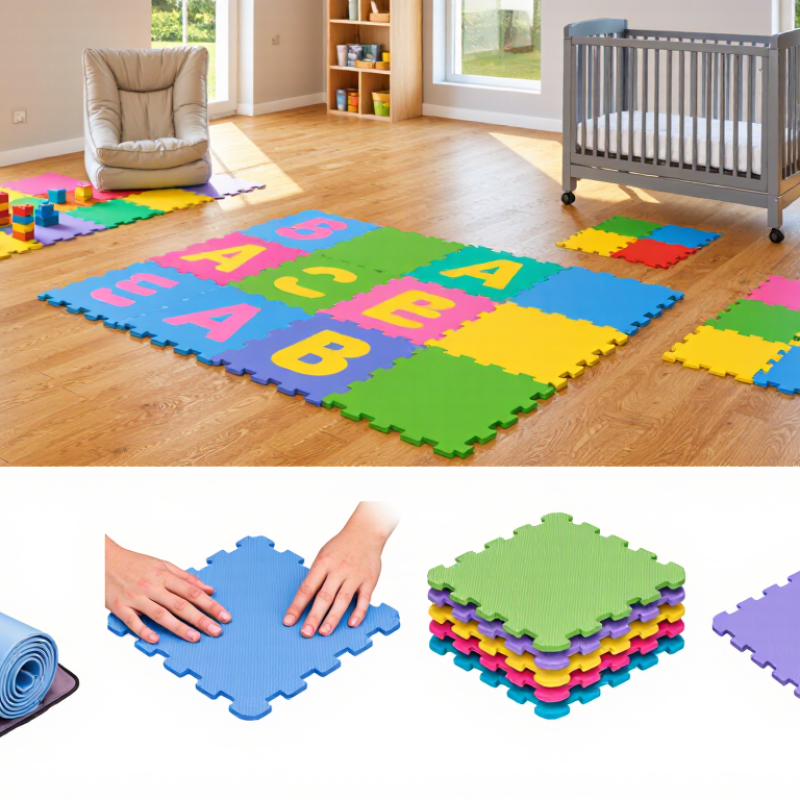
Choosing an ABC Foam Mat is not just a matter of picking a bright color. The right choice depends on where the mat will be used, who will use it, and how often it needs cleaning. A playroom floor, a small nursery, and a travel bag call for different sizes and features. Start with the space. Measure the floor, check door clearance, and consider whether interlocking tiles or one continuous mat will suit the room better. Small details matter.

Thickness, surface texture, and edge fit can affect comfort and everyday use. A thicker mat may feel softer underfoot, but it can also take up more room and sit unevenly beside furniture. Check the product’s care instructions and material details instead of relying only on attractive photos or broad safety claims. If a seller provides test reports or certifications, read what they cover; one label does not answer every question. Look for clear information. Also inspect reviews for recurring comments about loose seams, lingering odors, or tiles that shift. Experiences vary, and a review is not a formal test.

There is no perfect mat. Your budget, storage space, and cleaning routine may require trade-offs, and I would reconsider any recommendation that ignores them. This guide will compare practical features and explain what to check before buying. The goal is simple: find an ABC Foam Mat that fits your space and routine, not just one that looks good online.
How to Choose the Best ABC Foam Mat for Your Needs?

Identify Your Child’s Age, Play Space, and Main Needs

A child’s age changes what an ABC foam mat needs to do. Babies often spend time lying or rolling, so choose a firm, level surface with pieces that fit snugly. Check the product’s age guidance and inspect the mat for loose edges or damaged sections. Stay nearby during play. A mat is not a substitute for supervision.

Measure the play area before choosing a set. Leave room to walk around it, and consider doors, furniture, and nearby heating vents. In a small apartment, a few well-fitted tiles may be more useful than a large mat that blocks a walkway. For a shared family room, easy-to-clean surfaces can matter after snack time. They really do.

Think about your child’s main activities, too. Crawling, building, and floor puzzles call for a stable surface with enough open space. Older children may enjoy letters and numbers, but removable pieces can scatter under a sofa. I learned that the hard way. Texture, thickness, and cleanup are worth comparing, though thicker is not automatically better for every room. Read care instructions, check that pieces stay connected during normal play, and reassess the setup as your child grows.
Compare Foam Types, Thickness, and Surface Texture

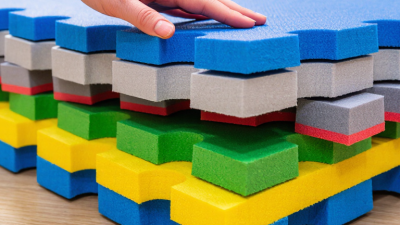
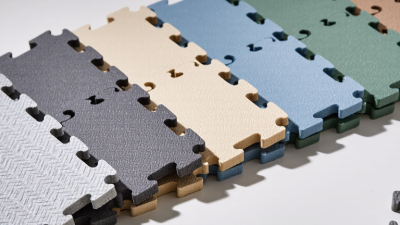
Start by matching foam type to the room and activity, not just the printed alphabet. Many ABC mats use EVA foam, which is light, easy to wipe, and offers moderate cushioning. Some use denser polyethylene blends; they may feel firmer and resist dents, though construction varies. Check the care label and material details, since “foam” alone tells you little. Small detail, big difference. Folded edges and interlocking seams may loosen with repeated lifting. That can matter more than a slight difference in softness.

Thickness affects both comfort and stability. A mat around 10–12 mm may suit floor play, while thicker options can soften harder surfaces. Yet extra padding may compress under knees and make standing less steady. Test a sample on your actual floor if possible; tile feels different from carpet. Surface texture deserves equal attention. Raised patterns can improve grip for crawling hands and socks, but deep grooves collect crumbs and take longer to clean. A smoother face wipes quickly, though it may feel slippery when damp. I would not choose by appearance alone. Run a hand over the surface, press with a thumb, and check whether the seams sit flat. Small compromises are normal.

How to Choose the Best ABC Foam Mat for Your Needs? - Compare Foam Types, Thickness, and Surface Texture

Foam type Typical thickness Common surface texture Advantages Considerations Best suited for
EVA foam About 8–25 mm (⅓–1 in) for many interlocking mats Smooth, lightly pebbled, or embossed patterns Lightweight, cushioned, easy to cut or assemble; commonly available in interlocking tiles Can compress or dent under concentrated loads; quality and firmness vary. Check product safety information for children’s use. Play areas, light home exercise, and general floor cushioning
XPE foam About 5–20 mm (⅕–¾ in), depending on construction Often smooth, lightly textured, or printed Closed-cell structure helps resist water absorption; lightweight and easy to wipe clean May offer less firm support than denser flooring; surface finish and durability differ between products Portable play mats, camping, and low-impact floor activities
PE foam About 5–20 mm (⅕–¾ in) for common sheet and mat products Usually smooth or lightly textured Lightweight and moisture-resistant when made with closed-cell foam; available in flexible sheets and rolls Cushioning and firmness depend on foam density and construction; thin sheets may shift without a suitable base Temporary floor protection, lining, and lightweight general-purpose use
Rubber foam or rubber flooring Often about 6–25 mm (¼–1 in); product formats vary Pebbled, stippled, or patterned for traction Generally heavier and more resistant to movement than lightweight foam; suitable for higher-use areas Can be heavier and firmer; some rubber products have a noticeable odor when new. Check material details and ventilation guidance. Home gyms, work areas, and locations needing a more durable floor covering
Smooth surface Available across several foam types and thicknesses Flat, with little or no raised pattern Easy to wipe; convenient for floor play and activities performed barefoot May provide less grip than a textured finish, especially when wet Clean, low-impact indoor use on a dry, level floor
Textured or embossed surface Available across several foam types and thicknesses Raised dots, ridges, pebbles, or other molded patterns Can improve underfoot grip compared with a smooth finish; patterns may help disguise minor scuffs Grooves can collect dirt and may take longer to clean; texture alone does not guarantee slip resistance Exercise and play areas where added surface grip is preferred
Interlocking puzzle edges Commonly paired with foam tiles in a range of thicknesses Edge connection rather than a surface finish Allows coverage to be expanded or rearranged without installing a permanent floor Connections can separate under repeated movement; keep tiles on a flat surface and inspect edges regularly Flexible play spaces and temporary home workout areas

Selection tip: Choose thickness according to the activity and the floor beneath the mat. Thicker foam generally adds cushioning but may feel less stable for balance exercises. Thickness ranges are typical examples, not fixed standards; check the product’s dimensions, density, intended use, cleaning instructions, and safety documentation before buying.

Check Safety Labels, Materials, and Construction Quality

When choosing an ABC foam mat, read the safety label beyond the large “non-toxic” claim. Look for the named material, age guidance, cleaning instructions, batch details, and warnings about small pieces or use on hard floors. If the mat is marketed as a toy, check whether its safety testing applies to that product category; a vague certificate is not the same as a traceable test report. Keep the packaging. You may need it later.

Material and smell deserve a closer look. The U.S. Environmental Protection Agency’s The Inside Story: A Guide to Indoor Air Quality reports that concentrations of some indoor pollutants are often two to five times higher than outdoor levels. That does not mean a new foam mat caused a specific exposure, but it is a reason to air it out in a ventilated room and follow the maker’s cleaning guidance. Ask for a clear material declaration rather than guessing from color or texture. “Low odor” is not proof of safety.

Check construction on the floor, not just in a product photo. Press a corner, join several tiles, and see whether seams stay flush or lift under a child’s foot. Look for even thickness, clean-cut edges, and a surface that grips without feeling abrasive. A sample may recover slowly after pressure; that is worth questioning, though one quick test cannot establish durability. My own first impression can be wrong. Recheck the mat after a week of play.

Choose a Mat Size and Design That Fits Your Space

How to Choose the Best ABC Foam Mat for Your Needs?

Choose a Mat Size and Design That Fits Your Space

Measure the clear floor area, not the whole room. Include space for doors, furniture, and walking paths. A 6-by-8-foot mat covers 48 square feet, but it may crowd a small playroom once a toy basket and chair are added. Leave a visible strip of bare floor around the mat. This makes the play area easier to define and keeps the edges away from busy routes. Measure twice.

Design should suit the room’s shape and daily use. A rectangular mat often fits along a wall, while interlocking tiles can cover an awkward corner or expand later. Check tile dimensions before ordering; small differences can change the finished footprint. Choose colors that make seams and edges easy to spot. The U.S. Consumer Product Safety Commission’s 2023 toy-related injury report estimated 231,700 emergency-department-treated injuries associated with toys. It does not identify foam mats as a cause, but a clear, uncluttered play zone helps adults see where children are moving.

Tips: Sketch the room and mark the mat outline with painter’s tape. Walk around it before buying. If the space feels tight, choose fewer tiles or a simpler pattern. A tidy layout on paper can still feel cramped in real life.

Consider Cleaning, Storage, and Long-Term Durability

When choosing an ABC foam mat, check how its surface handles everyday mess. Crumbs can settle around puzzle-piece edges, while spills may reach seams. A smooth, closed surface is often easier to wipe with a damp cloth and mild soap. Follow the care instructions, and avoid soaking the mat unless the manufacturer permits it. Small details matter. Look for edges that fit snugly; gaps can collect dust and make cleaning fiddly. A textured finish may offer grip, but deep grooves can take longer to clean. There is no perfect surface for every home.

Storage affects a mat’s shape over time. If the instructions allow it, store the pieces flat or roll them loosely; tight folding can leave creases. Keep the mat away from radiators, hot cars, and prolonged direct sunlight, which may soften or warp foam. Let cleaned pieces dry completely before stacking them. Damp storage can cause unpleasant smells. For durability, inspect the corners and interlocking tabs every few weeks. Repeated pulling, heavy furniture, or rough floors may wear them faster than expected. A small dent may not matter, but cracked edges or pieces that no longer connect securely deserve attention. I would not judge quality by thickness alone; the mat’s finish, fit, and care requirements matter just as much.