20+ years of production experience
Leave Your Message

What Is an EVA Foam Mat and How Is It Used?

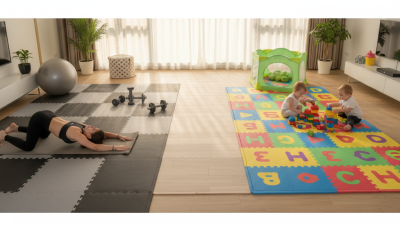
An Eva Foam Mat is a resilient surface made from ethylene-vinyl acetate, a closed-cell foam valued for cushioning, low water absorption, and easy cleaning. It appears beneath children’s play areas, yoga sessions, gym equipment, trade-show floors, and workshop benches. The material feels springy underfoot, yet it remains light enough for one person to carry and rearrange.

Industry research supports this practical role. Grand View Research’s analysis of the ethylene-vinyl acetate market identifies growing demand for lightweight, flexible, and impact-resistant materials across consumer and industrial applications. Fortune Business Insights also connects the wider foam market with expanding fitness, recreational, and protective-surface use. These reports do not prove that every mat performs equally. They show why EVA remains commercially relevant.

In real use, thickness, density, surface texture, joint design, and chemical resistance matter more than attractive packaging. A thin mat may suit temporary events but feel harsh beneath heavy equipment. A thicker tile can reduce fatigue, although it may compress or separate at the edges over time. Small details matter. Standards such as ASTM F1292 may guide impact-attenuation evaluation for certain playground surfaces, but buyers should verify the product’s stated testing scope. Not every “shock-absorbing” claim means the same thing.

Choosing an Eva Foam Mat should involve the floor type, expected load, moisture exposure, cleaning routine, and user safety. This is where experience often challenges simple marketing language. EVA foam is useful, not magical. Its performance depends on design, manufacturing quality, and disciplined installation.
What Is an EVA Foam Mat and How Is It Used?

What Is an EVA Foam Mat?

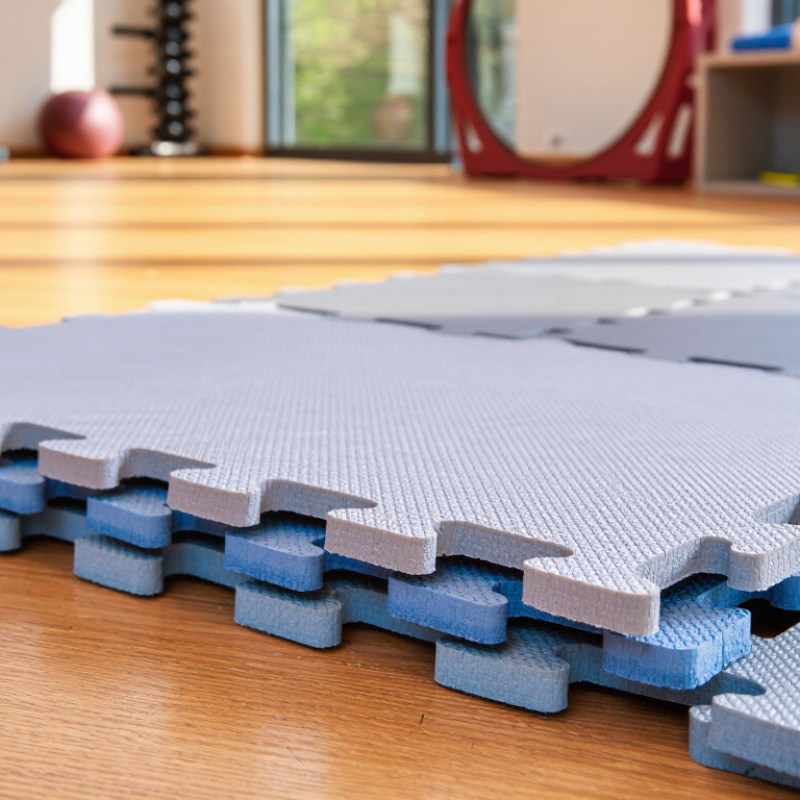
An EVA foam mat is a lightweight, resilient sheet made from ethylene-vinyl acetate, a closed-cell material with tiny sealed air pockets. These pockets create cushioning, thermal insulation, and resistance to limited moisture. The material feels slightly springy underfoot, yet it remains easy to cut and transport. Grand View Research reported that the global EVA market reached approximately USD 11.1 billion in 2023, reflecting demand from footwear, packaging, sports equipment, and protective products.

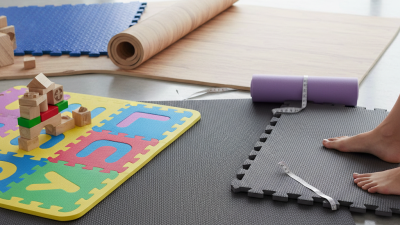
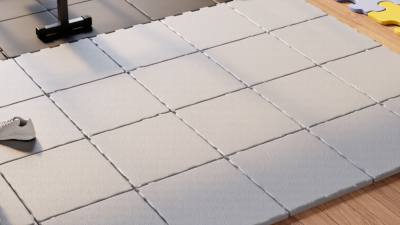
EVA mats are used beneath exercise equipment, in children’s play areas, workshops, vehicles, and temporary work zones. A mat beside a weight bench can reduce floor contact and soften minor impact. Interlocking tiles can also create a warmer surface over concrete. However, thickness alone does not prove safety. Density, surface texture, joint stability, and the expected load matter more than appearance. The Consumer Product Safety Commission has repeatedly emphasized impact protection and fall height when evaluating playground surfacing, so ordinary household mats should not be treated as certified playground systems.

During installation, I would check the floor for grit, moisture, and sharp edges. Small stones can leave permanent dents. Poorly fitted joints may separate after repeated movement. EVA also has limits: heavy furniture can compress it, and prolonged heat may cause deformation or odor. This is where product testing should be questioned. A material can look durable in a showroom but perform differently after months of pressure, sunlight, and cleaning. Textile Exchange’s material reporting also highlights the importance of checking composition and durability claims rather than relying on vague “eco-friendly” language.

How EVA Foam Mats Are Made and What They Contain

EVA foam mats begin with ethylene-vinyl acetate, a flexible copolymer made from two chemical components. Manufacturers blend EVA pellets with colorants, foaming agents, stabilizers, and sometimes fillers. These ingredients influence softness, rebound, color, and moisture resistance. Some formulations contain recycled material, but its amount and performance may vary. Clear specifications matter.

During production, the blended material is heated until it becomes workable. Pressure then pushes it through a mold or across a forming line. A foaming process creates many tiny, closed cells inside the sheet. These cells give the mat its light weight and cushioning feel. Cooling sets the final thickness and shape. Machines may add grooves, raised patterns, or a textured surface for improved grip.

In practical use, I look at density, thickness, compression recovery, and edge quality. A dense mat usually feels firmer, while a softer grade cushions kneeling or floor exercises more comfortably. However, softness alone does not prove better performance. A thin mat can flatten quickly under repeated pressure. An uneven surface may also collect dust and become harder to clean. Odor can appear after opening, especially in poorly ventilated areas, so air circulation helps. I would not assume every EVA mat has the same composition. Product data should identify thickness, density, intended use, and basic care instructions. Small differences in formulation can change how the mat feels underfoot. That point deserves more attention.

Key Features and Benefits of EVA Foam Mats

EVA foam mats are made from ethylene-vinyl acetate, a flexible closed-cell material. Their most useful feature is cushioning. A mat softens pressure under knees, feet, and dropped light equipment. It also reduces minor impact noise on hard floors. Many surfaces include raised textures for better grip. It feels forgiving. The foam is lightweight, easy to carry, and simple to trim around furniture.

In a home workout area, a 10- to 15-millimeter mat can make floor exercises more comfortable. Thicker tiles may suit children’s play spaces or standing work areas. EVA resists everyday moisture because its cells absorb little water. Wipe spills with mild soap and let the surface dry fully. The material also provides modest thermal insulation over cold concrete. That benefit is easy to notice barefoot.

Good performance depends on density, thickness, and surface design. A very soft mat may compress under heavy furniture and recover slowly. EVA is not automatically fireproof, and prolonged sunlight can affect its color and flexibility. I once assumed all foam mats felt alike; they do not. Some smell strongly when opened, so ventilation matters. Check dimensions, edge fit, cleaning guidance, and floor compatibility before installation. A firm, textured mat usually offers more stable footing, but comfort still depends on the user and the task.

What Is an EVA Foam Mat and How Is It Used? - Key Features and Benefits of EVA Foam Mats

Data Dimension Typical Information How It Is Used or Why It Matters
Material name EVA stands for ethylene-vinyl acetate, a flexible closed-cell foam. The material combines low weight, cushioning, flexibility, and resistance to moisture.
Cell structure Mostly closed-cell; the cells contain gas and are surrounded by polymer walls. The structure helps limit water uptake and provides shock absorption and thermal insulation.
Common mat thickness Approximately 4–25 mm for general-purpose mats; 20–40 mm is common for higher cushioning needs. Thinner mats suit light protection and indoor activities, while thicker mats improve impact absorption and floor comfort.
Typical density Many foam mats fall roughly within 30–120 kg/m³; the actual value depends on formulation and compression level. Lower density generally reduces weight, while higher density can improve firmness, durability, and load support.
Common tile sizes Interlocking tiles are frequently produced in formats such as 30 × 30 cm, 60 × 60 cm, and 100 × 100 cm. Modular sizes make installation, removal, replacement, and storage easier.
Example unit weight A 60 × 60 × 1 cm tile at 60 kg/m³ weighs approximately 0.216 kg before surface treatments or edging. The low mass supports convenient handling, transport, and temporary floor installation.
Water resistance Closed-cell EVA foam has low water absorption compared with open-cell foam, but seams and cut edges may allow water entry. It is suitable for damp-prone areas when the surface, joints, and drainage conditions are properly managed.
Cushioning and impact control The foam compresses under load and helps reduce peak impact forces; performance depends on thickness, density, and compression set. Used beneath play areas, exercise equipment, workstations, and light-duty activity zones.
Slip and surface design Textured or patterned surfaces can improve traction, but slip resistance varies by finish, footwear, and moisture. Textured finishes are often selected for exercise rooms, children’s areas, and general indoor flooring protection.
Thermal insulation Typical closed-cell foam thermal conductivity is approximately 0.04–0.08 W/m·K, depending on density and structure. The mat can reduce contact with cold floors and improve underfoot comfort, although it is not a substitute for building insulation.
Noise reduction EVA foam can dampen some footfall and equipment vibration, but results depend strongly on thickness, floor type, and installation. Useful under exercise equipment, in playrooms, and in areas where minor impact noise needs to be reduced.
Typical applications Exercise flooring, children’s play surfaces, standing mats, workshop protection, camping pads, packaging inserts, and craft projects. The same material can be cut, layered, or interlocked for temporary or semi-permanent protective surfaces.
Cleaning and maintenance Usually cleaned with mild soap, water, and a soft cloth or mop; abrasive tools and harsh solvents may damage the surface. Regular cleaning helps preserve hygiene and appearance, especially in exercise and children’s areas.
Durability considerations Performance may decline under prolonged heavy loads, sharp objects, high heat, strong chemicals, or continuous ultraviolet exposure. Choose the thickness and density according to expected traffic, equipment weight, environmental exposure, and cleaning method.
Main advantages Lightweight, flexible, water-resistant, easy to cut, simple to install, comfortable underfoot, and available in modular formats. These properties make EVA foam mats practical for portable protection, cushioning, light insulation, and temporary floor coverage.

Note: Performance values are typical reference ranges rather than universal specifications. Actual properties vary with formulation, density, thickness, surface finish, and manufacturing process.

Common Uses of EVA Foam Mats

What Is an EVA Foam Mat and How Is It Used?

Common Uses of EVA Foam Mats

EVA foam mats are lightweight, closed-cell surfaces made from ethylene-vinyl acetate. They feel soft underfoot, resist water absorption, and reduce minor impact. Their surface can be textured for better grip. However, softness is not the same as certified safety.

Home fitness is one of the most common uses. A 10-millimeter mat can reduce noise from dumbbells and protect floors from scratches. Thicker interlocking tiles suit yoga areas, children’s playrooms, and home gyms. They are easy to cut around furniture. Seams may separate if the floor is dusty or uneven. That small detail is often overlooked.

EVA mats also appear in workshops, boats, vehicle interiors, packaging, and temporary display areas. Their cushioning helps protect tools and stored equipment. The global EVA foam market is projected to grow at roughly 6% annually through 2030, according to Grand View Research’s 2024 market report. Demand is linked to construction, sports, transport, and protective packaging. For playground applications, buyers should check impact-attenuation results under ASTM F1292 or comparable testing. Thickness alone proves little. Heat, sunlight, and heavy furniture can deform some grades over time. A practical inspection every few months is sensible, even when the product looks fine.

How to Choose, Install, and Maintain an EVA Foam Mat

What Is an EVA Foam Mat and How Is It Used?

An EVA foam mat is a lightweight, closed-cell surface made from ethylene-vinyl acetate. It cushions falls, reduces floor noise, and improves standing comfort. Common uses include home gyms, children’s play areas, workshops, and temporary workspaces. Thickness alone does not determine performance. Density, surface texture, edge design, and moisture resistance matter too. ASTM F1292 impact-attenuation testing is useful when selecting mats for play areas, but certification should match the intended use.

Choose a mat that fits the activity. A 6–10 mm mat may suit stretching, while heavier equipment usually needs thicker, denser foam. Measure the room twice. Small errors create visible gaps. Before installation, clean and dry the floor, then let the tiles reach room temperature. Interlock the edges firmly without stretching them. Keep the surface away from sharp furniture feet and direct heat. In practice, rooms are rarely perfectly square, so trimming should happen along a wall, not in the center.

Tips: Vacuum loose grit first. Use mild soap and a damp cloth. Avoid bleach, solvents, and abrasive brushes. Dry each tile completely before reinstalling it. The U.S. Environmental Protection Agency recommends indoor humidity between 30% and 50%; this range can help limit damp odors and moisture-related problems. Inspect seams monthly for lifting, compression, or trapped water. A slight smell may fade, but persistent odor deserves attention. Some cleaning instructions seem harmless, yet aggressive chemicals can weaken the foam surface.