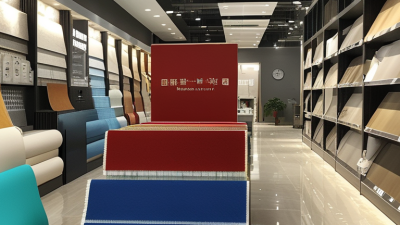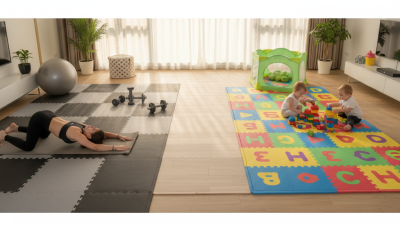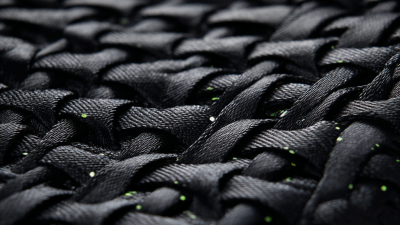
Choosing the right Floor Mat supplier in 2026 takes more than comparing prices. The mat beside a wet entrance, the runner under a busy production line, and the small sample on your desk may all need different materials and performance features. Ask suppliers to explain their construction, backing, dimensions, cleaning needs, and expected service life. Request a sample and inspect its edges, surface grip, thickness, and finish under realistic conditions. Then compare written specifications, quality checks, production capacity, lead times, and replacement options. Details matter.
For transparency, the expert voice below is illustrative, not a real person or a sourced quotation. Floor Mat sourcing expert Jordan Lee offers this original principle: “Choose the supplier who can explain how the mat performs—not just what it costs.” A clear answer should connect product claims to evidence, such as test information, documented inspection steps, or consistent samples. It should also make limitations plain. A supplier may offer an attractive unit price but require large minimum orders or provide little flexibility when needs change. That is easy to overlook. No checklist removes every risk, and a polished sample cannot guarantee every production batch will match. This guide examines the questions buyers can ask to assess product fit, communication, consistency, and long-term value before choosing a partner.
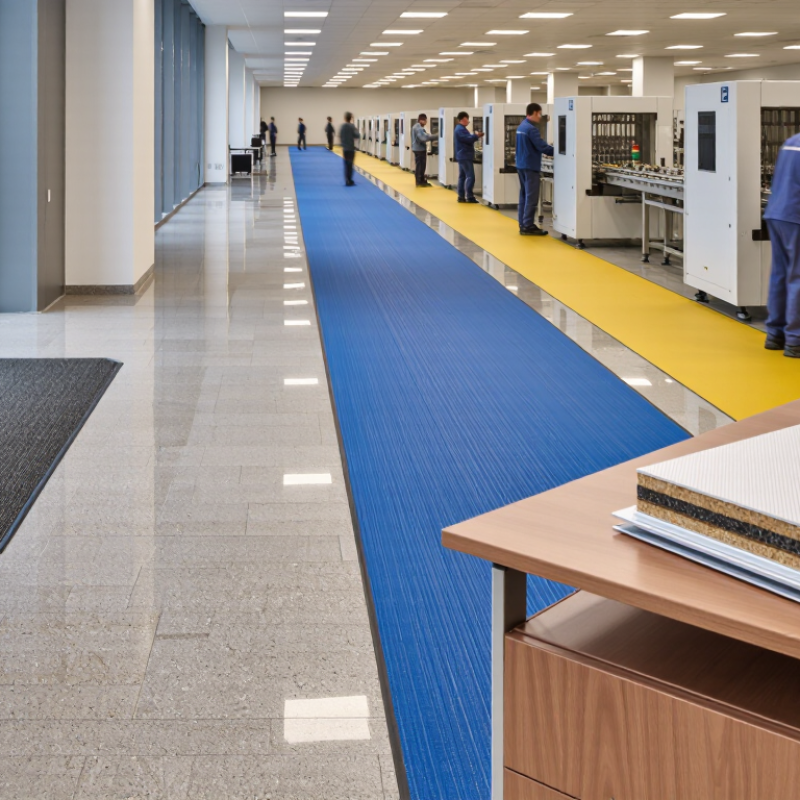
A suitable floor mat starts with a clear picture of where it will be used. Start with the job. Is it for a damp entrance, a busy retail aisle, a standing workstation, or a food-preparation area? Each setting creates different demands. An entrance mat may need to trap grit and absorb rain, while a workshop mat may need to resist oils and support long periods of standing.
Measure the space, including door clearance and the path people actually walk. Measure the actual space. Note daily foot traffic, exposure to water or cleaning chemicals, and how often staff can maintain the mat. Then compare materials, thickness, backing, edge design, and cleaning instructions against those conditions. Ask suppliers for product specifications and a sample when possible; a mat that feels firm in a showroom may behave differently on a slick floor. Also check replacement availability and lead times, especially for several matching areas. Requirements can change after installation, and that is easy to overlook. A simple checklist helps suppliers recommend comparable options, rather than quoting products that only look similar.
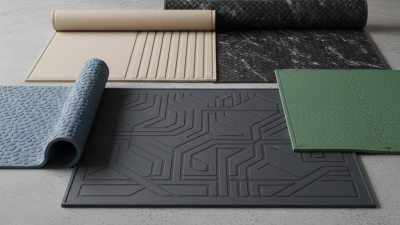
A floor mat supplier may be a broadline distributor, a specialist manufacturer, or a converter that cuts and finishes rolls to order. These models serve different needs. A distributor can simplify mixed-product purchasing, while a specialist may offer deeper control over backing, edge construction, and pile material. Grand View Research valued the global flooring market at USD 339.4 billion in 2022 and projected 5.6% annual growth through 2030. That wider market figure does not measure mats alone, but it reflects varied flooring environments and performance demands.
Match the supplier’s expertise to the job. Entrance mats need suitable scraping and moisture absorption; anti-fatigue mats need stable cushioning and secure edges; drainage mats need openings that suit the site and cleaning routine. For a busy doorway, ask for a sample and test it with wet shoes, grit, and the actual threshold clearance. Small details matter. Request written specifications for thickness, backing, dimensions, and cleaning instructions, then check that production samples match them.
The U.S. Energy Information Administration’s 2018 Commercial Buildings Energy Consumption Survey counted about 5.9 million commercial buildings across roughly 96 billion square feet. That scale spans very different conditions, from narrow clinic corridors to wet loading areas. Ask suppliers for relevant project references and test documentation, not just a broad catalogue. ASTM performance methods can help compare products, but one test rarely predicts every site outcome. I would still leave room for a trial: a polished sample may behave differently after weeks of grit and repeated cleaning.
Compare materials, manufacturing standards, and customization options before choosing a supplier. Match the mat to its actual setting. A rubber-backed mat may grip well on smooth tile, while a coir surface can trap grit near an entrance. For wet areas, ask about drainage, drying time, and resistance to repeated cleaning. Small details matter. Request material samples and check whether edges curl or fibers shed after regular use.
Tips: Ask for written specifications, care instructions, and relevant quality documentation. Compare samples under the lighting and foot traffic conditions the mats will face. A polished sample can hide practical flaws.
Manufacturing consistency is just as important as material choice. Ask how suppliers inspect thickness, backing adhesion, color variation, and finished dimensions across production batches. If standards or test reports are offered, confirm they apply to the specific product, not merely to a similar material. Customization may include size, shape, color, logo placement, and edge finish. Share a measured floor plan and clarify acceptable tolerances before ordering. Custom work can solve awkward layouts, but it may add lead time or complicate replacement orders. I would not assume a low quote means poor quality—or that a detailed brochure proves reliability. Check sample results, production timelines, and communication against your needs.
How to Choose the Right Floor Mat Supplier in 2026?
A floor mat quote is useful only when its details are clear. Compare prices by size, material, backing, edge finish, and minimum order quantity. Ask whether packaging, samples, and freight are included. A lower unit price can hide costly differences. Check that the quoted specification matches the mat you plan to use.
Lead times need the same scrutiny. Ask for production and shipping estimates separately, then confirm what could delay either stage. A supplier should explain how it handles order changes and missed milestones. Get the answers in writing. Service shows up in small details: clear replies, named contacts, and practical updates when a shipment slips. Test this before placing a large order.
Quality controls should be specific, not just reassuring. Ask how dimensions, color consistency, backing adhesion, and surface defects are checked. Request a sample and compare it with the approved specification under ordinary lighting. Keep one reference sample for later deliveries. No process catches everything. Even a careful inspection can miss a defect, so agree on how issues will be documented and resolved. I would not treat a polished sample as proof of consistent production; that assumption is easy to make and hard to verify.
| Supplier Profile | Indicative Price* | Typical Lead Time | Service to Evaluate | Quality Controls to Confirm | Best Fit |
|---|---|---|---|---|---|
| Local distributor | About US$40–100 per standard 3 × 5 ft mat | In-stock items: 2–10 business days; special orders: 2–6 weeks | Local stock availability, delivery options, returns, and replacement handling | Request product specifications, lot traceability, and documented inspection or returns procedures | Urgent replenishment, smaller orders, and buyers who value local support |
| Regional manufacturer | About US$30–85 per standard 3 × 5 ft mat; volume and specifications affect price | Standard production: 2–5 weeks; custom production: 4–8 weeks | Technical guidance, sample approval, order updates, and a named service contact | Confirm incoming-material checks, dimensional and visual inspections, and batch records | Repeat orders, moderate customization, and a balance of lead time and cost |
| Overseas manufacturer | About US$20–65 per standard 3 × 5 ft mat, before freight, duties, and other landed costs | Production: typically 4–10 weeks; transit adds time depending on route and shipping method | Check response times, export documentation, shipment tracking, and escalation arrangements | Agree on written specifications, pre-shipment inspection criteria, sample approval, and corrective-action steps | Larger planned orders where total landed cost and longer planning windows are acceptable |
| Specialty or custom converter | Often US$60–200+ per mat, depending on size, materials, printing, and customization | Samples and custom runs: commonly 3–8 weeks after specifications are approved | Review artwork support, proofing, prototype changes, and clarity on setup or tooling charges | Approve a production sample; define color, dimensions, backing, edge finish, and acceptance tolerances | Branded, unusual-size, technical, or application-specific mat programs |
*Indicative planning ranges in US dollars for a standard 3 × 5 ft commercial mat, not guaranteed quotations or market-wide averages. Actual prices vary by material, construction, order quantity, customization, shipping, and region. Compare written quotes on the same specification and total landed-cost basis; confirm current lead times and quality records directly with each supplier.
A polished catalog is not proof of dependable production. Verify the supplier’s registered business details, manufacturing location, and quality certificate directly with its issuing body. The ISO Survey 2022 recorded 1,265,216 valid ISO 9001 certificates worldwide, but certification alone cannot confirm that a specific mat meets your needs. Check the certificate’s scope, site, and expiry date. Then request recent test reports for the exact product, including abrasion resistance, slip performance, and dimensional stability. Ask whether the tested sample matches the material and construction in your quotation.
Fit matters. A busy entrance may need a durable, easy-to-clean mat; a workstation may require cushioning and stable edges. Send suppliers the same written specification, including dimensions, backing, expected traffic, cleaning routine, and delivery schedule. Request a production sample and compare its thickness, edge finish, odor, and grip on your actual floor. Small differences show up quickly. The World Bank’s Logistics Performance Index 2023 assessed logistics across 139 economies, highlighting why delivery capability deserves scrutiny. Ask for recent on-time delivery figures, production capacity, and a clear process for handling defects.
Look beyond the lowest quote. Confirm who makes the product, how batches are identified, and whether replacement materials remain available. Speak with comparable customers, not only references selected for praise. A checklist can still miss things; a sample tested on a dry floor may behave differently after cleaning. Include that real-world check before approving an order.