How to Choose the Best Gym Flooring for Your Home Workout Space?
Creating a home workout space can be a rewarding experience. One critical aspect often overlooked is the choice of gym flooring. The right flooring can greatly enhance your workout sessions, offering safety and comfort. Different materials serve various needs, and understanding these options is essential.
When selecting gym flooring, consider your workout type. For high-impact exercises, softer surfaces can help absorb shock and reduce the risk of injury. Conversely, if your workout involves heavy weights, a durable and stable floor is necessary. Each type of flooring comes with its own benefits and challenges.
Not all gym flooring is created equal. Some options may be more expensive but provide better longevity and performance. It's essential to weigh these factors carefully. The flooring you choose will affect your workout experience and overall commitment. Take the time to research and reflect on what fits your lifestyle best.
Understanding Different Types of Gym Flooring Materials for Home Use
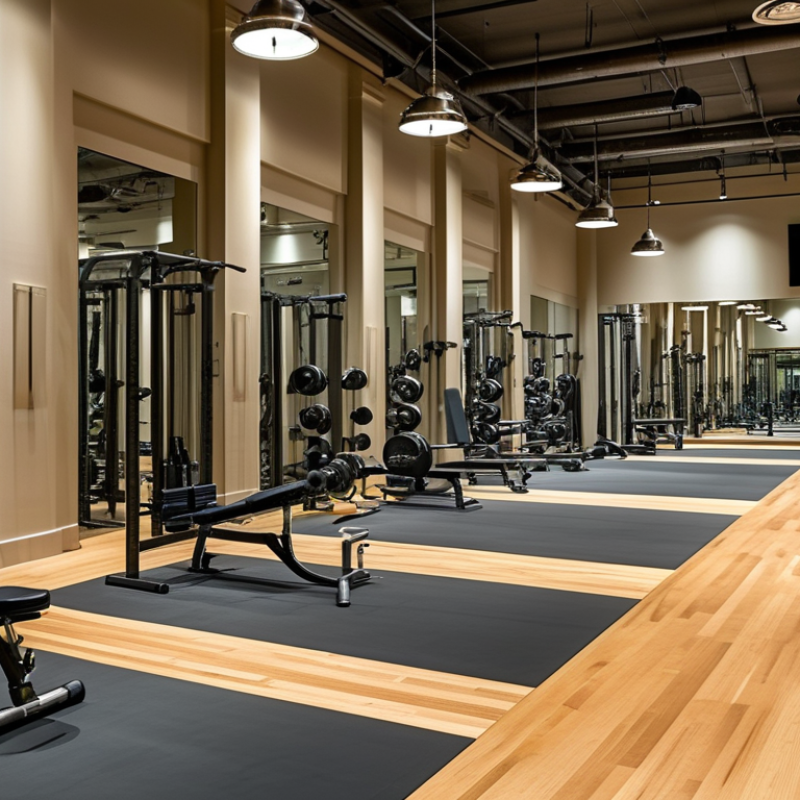
Choosing the right gym flooring for your home workout space requires careful consideration of various materials. You may want to explore
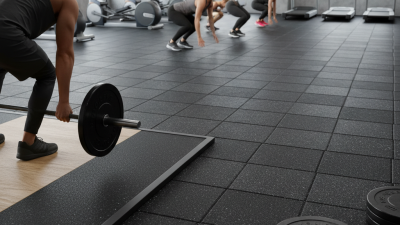
rubber flooring, which is durable and provides excellent shock absorption. This material is ideal for high-impact activities and
protects your subfloor from damage. Additionally, rubber surfaces are easy to clean, making them a practical choice for home users.
Foam tiles offer another option, particularly for those who engage in yoga or Pilates. They provide a cushioned surface that promotes comfort during workouts. However, foam can wear down and may not be suitable for heavier equipment.
Consider how much space you have and the type of activities you plan to perform before selecting foam flooring.
Vinyl flooring is a versatile choice that comes in various styles. It can mimic wood or stone, providing an aesthetic appeal to your home gym. Although vinyl is easier to install and maintain, it may not provide the same level of cushioning as rubber or foam. Reflect on your workout routine and preferences. Each flooring type has its strengths and weaknesses.
Carefully balance your needs with the characteristics of each material.
Factors to Consider When Choosing Gym Flooring for Your Workout Space
Choosing the right gym flooring for your home workout space is crucial. The flooring impacts not only your performance but also your safety. A good choice reduces the risk of injury and enhances comfort.
Think about the type of workouts you will do. Will you be lifting weights, doing cardio, or practicing yoga? Each activity may need different flooring characteristics!
Consider durability. High-impact exercises can wear down your flooring quickly. You want a material that can withstand heavy use without showing damage. Also, think about shock absorption. Flooring should cushion your joints, especially when performing high jumps or running. Texture matters, too. If the surface is too slick, it may lead to slips and falls. Look for options that balance firmness with grip.
Lastly, aesthetics matter. The appearance of your gym can motivate you to workout. Choose colors and designs that inspire you. But, keep practicality in mind. Darker colors may show less dirt but could make small spaces feel cramped.
Reflect on your workout habits and preferences before making a decision. A well-thought-out choice leads to a more enjoyable and effective workout experience.
Comparing Cost and Durability of Popular Gym Flooring Options
Choosing the right gym flooring for your home workout space involves balancing cost and durability.
Rubber flooring is a popular choice. It offers excellent shock absorption, which protects joints during exercise. However, lower-quality rubber may wear out faster, particularly under heavy weights.
Foam tiles are another option. They are affordable and provide comfort, but they can be less durable. You might find them susceptible to tears and indentations. If your workouts include heavy equipment, foam may not be the best long-term solution.
Consider how often you will use the space and what types of workouts you’ll do.
Tips:
- Think about maintenance. Some flooring materials require regular cleaning, while others are more forgiving.
- Durability matters. Investing in better quality can save money in the long run.
- It’s wise to weigh short-term costs against potential long-term wear.
- Don’t overlook installation too. Some flooring types are easier to install than others, affecting the overall cost and effort.
Assessing Safety Features in Home Gym Flooring Solutions
When selecting gym flooring for your home workout space, safety should be a top priority. The right flooring can help prevent slips and falls. It's crucial to look for surfaces with good traction. Rubber and foam tiles are popular for their grip and cushioning. However, they can wear down over time, especially in high-traffic areas.
Consider the thickness of the flooring material as well. Thicker options provide better shock absorption, which reduces the risk of injury during weightlifting or high-intensity workouts. Keep in mind that some flooring types can be slippery when wet. Regular maintenance is necessary to keep them safe.
Don’t forget to assess fire resistance and toxicity levels in your materials. Some flooring can emit harmful chemicals, especially when heated. It's vital to choose options that are non-toxic and have passed safety tests. Each gym flooring choice comes with its challenges, and being aware of these factors can lead to a safer workout environment.
Maintenance Tips for Keeping Your Gym Flooring in Top Condition
Maintaining gym flooring is crucial for both safety and aesthetics. Regular cleaning keeps dirt and moisture at bay. According to the National Floor Safety Institute, 80% of slips are due to dirty floors. A damp mop and mild, non-toxic cleaners can be effective. Avoid harsh chemicals; they can degrade material over time.
Humidity can warp flooring, especially if it’s rubber. Using a dehumidifier can help control moisture levels. The The American Society of Interior Designers recommends keeping gym areas well-ventilated. Air flow not only prevents mold but also increases comfort during workouts.
Regular inspections also matter. Check for cracks or tears every few months. Minor issues can escalate quickly, leading to costly repairs. The International Association of Flooring Specialists suggests replacing worn-out sections promptly. This vigilant approach ensures longevity and keeps your workout space safe and inviting.