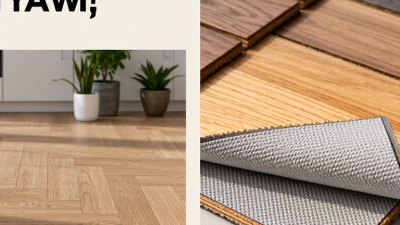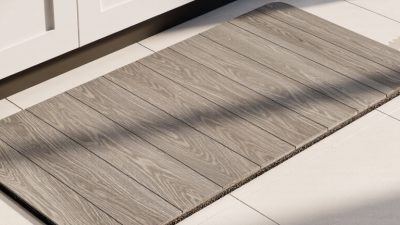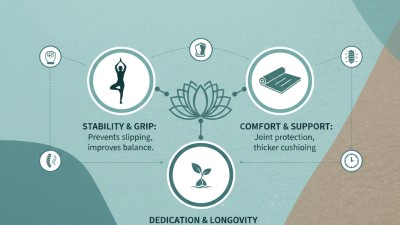
Choosing a Wood Grain Floor Mat is not just about finding a convincing pattern. The right mat should suit the room, handle daily use, and feel comfortable underfoot. A warm oak print can soften a bright kitchen, while a darker walnut look may anchor a busy entryway. Still, appearance is only part of the decision. Surface texture, thickness, backing, and cleaning needs matter just as much.
For an honest expert-style perspective, this guide uses a fictional flooring adviser, Daniel Mercer. His illustrative reminder is: “Match the mat to the mess, not just the furniture.” This is an original, fictional quote—not a verified statement from a real industry professional. It points to a practical question: will the mat face muddy shoes, rolling chairs, spilled coffee, or mostly light foot traffic? Check the product’s material and care instructions, and measure the space before ordering. Small details count.
There is no perfect choice for every home. A glossy finish may look striking in a product photo but feel too slick in a high-traffic spot. A textured surface can hide scuffs, though it may need more careful cleaning. Even measurements deserve a second look; door clearance can turn a good-looking purchase into an awkward one. This guide compares the features that matter, so you can choose a Wood Grain Floor Mat with clearer expectations—and fewer surprises.
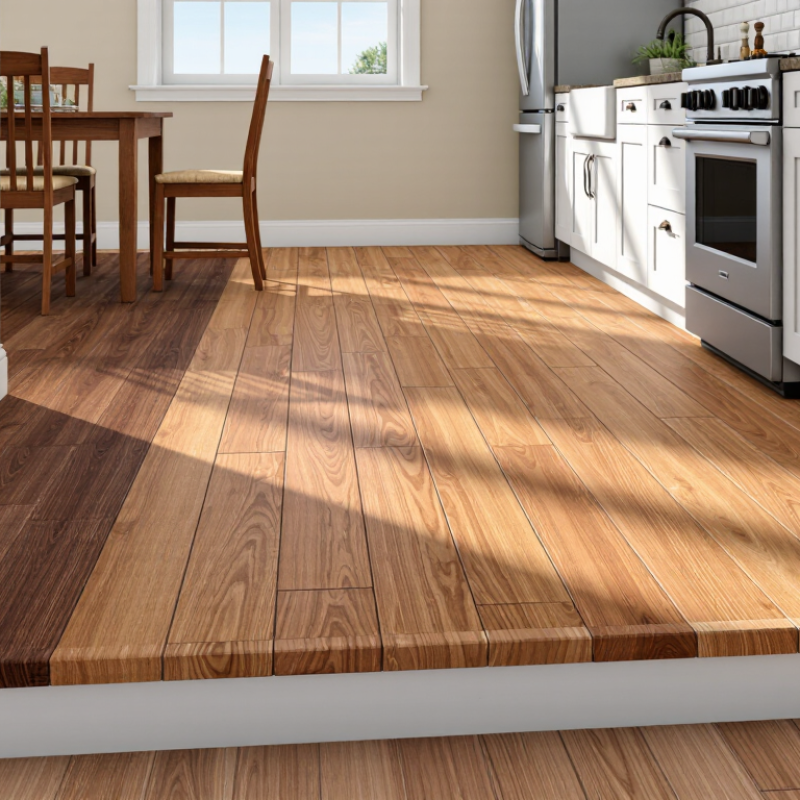
A wood-grain floor mat is usually a layered product, not a solid slice of timber. Its top may be printed PVC, vinyl, or coated textile, while the core adds cushioning. The grain is often a surface image; embossing can add shallow ridges you can feel. Check the product description to learn whether the texture is embossed or only printed. Feel the edge.
PVC and vinyl surfaces can handle routine spills, but softness and flexibility vary with thickness and formulation. A thin mat may curl at the corners on uneven floors, while a thick one can catch under a door. Foam cores feel softer underfoot, yet may compress faster in busy kitchens. Not always. Backing matters too: rubber-like or textured layers can improve grip. Dust and moisture may reduce contact with the floor.
Look for sealed edges and even bonding; lifting seams can collect crumbs and water. For a practical check, press a corner, bend it gently, and see whether it lies flat again. Compare care instructions with your room: frequent washing may suit some mats, but not every printed finish. I would not judge quality by the wood pattern alone. A pretty grain can hide a flimsy core.
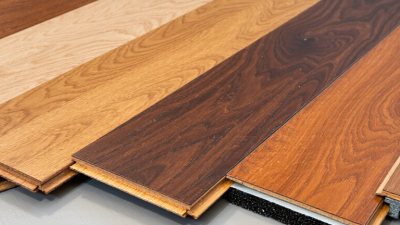
Understand the Materials and Construction of Wood Grain Floor Mats
Typical unfoamed resin density is about 1.30–1.45 g/cm³ for PVC and 0.91–0.96 g/cm³ for polyethylene. Finished mats can differ because of foaming, fillers, and layered construction. Density alone does not determine durability: also check the wear surface, core, backing, thickness, and grip.
A wood-grain floor mat should fit the room, not just its color scheme. Measure the area where it will sit, including door swings and chair movement. A mat that catches a door edge becomes annoying fast. Measure twice. In a kitchen, consider splashes near the sink and how often you clean the floor. For an entryway, think about grit, wet shoes, and the mat’s ability to stay flat under frequent foot traffic. A quiet bedroom corner may need less durability but more cushioning.
Check the actual flooring beneath the mat. Smooth tile and polished wood can make some mats slide, while textured surfaces may grip better. Backing materials can also react with certain floor finishes or trap moisture, so check the care guidance for both surfaces. If you are unsure, test a small area first. That is easy to overlook. Then match the mat to its main job: standing comfort, spill protection, or light decoration. A thin mat may suit a low-clearance door, while a thicker one can feel better at a workbench. I would not assume a wood pattern makes a mat suitable for every room; practical fit matters more than a convincing grain.
How to Choose the Best Wood Grain Floor Mat?
A convincing wood-grain surface should look natural and feel practical underfoot. Run your fingertips across the mat: shallow grain can add texture without trapping crumbs or damp dust. Deep grooves may look realistic, but they can be harder to clean. Looks matter less.
Grip deserves careful attention on smooth tile or sealed wood. The National Floor Safety Institute estimates that slips and falls account for more than one million U.S. emergency-room visits annually. That figure is not specific to mats, but it highlights why a secure backing matters. Press the mat’s corners and edges; they should stay flat rather than curl or slide. I would check again after wiping the floor, since moisture can change how well a mat holds.
Thickness affects comfort, door clearance, and edge safety. A very thin mat may feel firm, while a thick one can catch a swinging door or create a small trip edge. Measure the gap beneath nearby doors before buying. For durability, check whether the surface resists scuffs and whether the backing stays attached after repeated cleaning. ASTM F1637-21 offers guidance on safe walking surfaces, but it does not certify any particular mat. A little uncertainty remains: real wear depends on foot traffic and care.
How to Choose the Best Wood Grain Floor Mat?
Cleaning needs matter as much as appearance. A mat placed near a kitchen sink may collect oil, crumbs, and splashes each day. Check whether its surface can be wiped clean or washed according to the care instructions. Textured grooves can add visual depth, but they may also hold dust. That trade-off is easy to overlook.
Safety Features and Size Options
Look for a non-slip backing that stays flat on your floor. A curled corner can catch a shoe, while a mat that shifts on tile may create a slipping risk. Check the backing’s care requirements too; dust or moisture underneath can reduce its grip. Measure the space before buying, including door clearance and nearby cabinets. A runner should cover the area where you stand without blocking a walkway. Bigger is not always better.
Tips: Test the mat on a dry, clean floor, then step on its edges. If it slides, stop and check the backing or placement. Choose a size that leaves enough room to open doors. I would not rely on appearance alone; even a convincing wood-grain pattern can feel different underfoot than expected.
| Mat Type | Cleaning Needs | Water Resistance | Safety Features to Check | Common Size Options | Best Suited For | Points to Consider |
|---|---|---|---|---|---|---|
| Printed PVC or vinyl mat | Wipe with a damp cloth and mild detergent; dry before placing it back on the floor. | Generally water-resistant; seams or edges may allow water underneath. | Look for a non-slip backing and beveled edges. Confirm the backing is suitable for your floor finish. | Commonly available as runners around 45–60 cm wide, plus rectangular and custom-cut options. | Kitchens, entryways, and other areas where quick wipe-clean care is useful. | Can curl or shift if laid on a dusty or damp surface. Avoid harsh solvents that may damage the printed surface. |
| Cushioned PVC foam mat | Wipe clean with mild soap and water; do not soak unless the care instructions allow it. | Usually resists surface spills, but moisture can collect beneath the mat. | Choose a flat, stable mat with a non-slip underside; check that its edges do not create a trip hazard. | Often sold in kitchen runners and rectangular mats, with widths commonly around 45–75 cm. | Standing areas such as kitchen counters, where a cushioned feel is preferred. | Thicker foam may compress over time. Lift and dry the mat and floor regularly. |
| Polyester fabric mat with printed wood-grain design | Vacuum or shake out loose debris; follow the label for machine washing or spot cleaning. | Varies by construction and coating; fabric can absorb spills unless treated. | A non-slip backing can help reduce movement. Check its compatibility with hardwood, laminate, or vinyl flooring. | Common formats include small accent mats, door mats, and longer runners. | Dry indoor spaces where a softer textile surface is desired. | May take longer to dry than a wipe-clean mat. Keep the floor beneath it dry and clean. |
| Rubber-backed printed mat | Clean the top according to its material; rinse or wipe the backing if the care label permits, then dry fully. | Often suitable for damp-prone areas, but water may still become trapped underneath. | Check that the backing grips on your specific floor and is labeled safe for that surface; some rubber compounds can mark or discolor certain finishes. | Available in entry mats, rectangular formats, and runners; measure the intended area before ordering. | Entryways and utility areas where grip is a priority. | Do not assume every rubber backing is suitable for every floor. Inspect periodically for residue or discoloration. |
| Interlocking wood-look floor tiles | Remove debris from joints and clean the surface using the method recommended for the tile material. | Depends on the material and how securely the joints fit; not all interlocking tiles are waterproof. | Use on a level surface and check that connected tiles remain firmly joined with no raised edges. | Typically sold as square modules that can be combined to cover a larger area. | Areas where adjustable coverage or a modular layout is useful. | Joints may collect dirt. Check the finished dimensions and allow clearance around doors. |
Choosing tip: Measure the usable floor area, including door clearance, and check the care label and backing compatibility before buying. A mat’s slip resistance depends on both the mat and the condition and finish of the floor beneath it.
Match the mat’s wood grain to the room’s colors, not just its floor. A pale oak pattern can brighten a narrow entry, while deeper walnut tones may feel grounded beside dark furniture. Look at the mat in daylight and under evening lamps; printed colors can shift noticeably. Grain direction matters, too. Long, calm lines can make a small space feel more open, while bold knots draw attention. That may be useful—or distracting.
Consider how much of the mat will show and how often people walk over it. A subtle grain usually blends well in busy kitchens, where crumbs and scuffs are part of daily life. In a quiet reading nook, a more distinctive pattern can add character. Compare the price with the material, thickness, and ease of cleaning. A cheaper mat may suit a low-traffic room, but curling edges or a thin surface can become annoying. There is no perfect match for every space; sometimes the practical choice looks less convincing up close.
Tips: Bring home a small color sample or compare photos beside your flooring. Check the mat’s dimensions with painter’s tape before ordering. For a tighter budget, choose a simple grain pattern in a durable finish rather than paying extra for intricate printing. Read care instructions carefully. A quick wipe should be realistic for your routine.