20+ years of production experience
Leave Your Message

2026 Top Wood Grain Floor Mat Types for Global Buyers?

Global buyers entering the 2026 flooring market need more than attractive wood visuals. They need evidence about safety, durability, cleaning, and regional use. A Wood Grain Floor Mat can resemble oak, walnut, or bamboo, yet its backing may contain PVC, rubber, or recycled polymers. Each material changes performance.

Recent reports from Grand View Research and Mordor Intelligence show continued growth across floor coverings, supported by renovation, hospitality, and residential construction demand. However, neither report isolates wood-look floor mats as a separate global category. That limitation matters. Market estimates can describe direction, but not every product’s real service life. Buyers should verify abrasion ratings, slip resistance, formaldehyde claims, and packaging standards before comparing prices.

Brett Miller, president and CEO of the National Wood Flooring Association, has emphasized that “wood is a natural product, and no two floors are exactly alike.” The same principle applies to printed mat surfaces. Grain depth, color stability, and edge finishing can differ sharply between factories. A dark walnut pattern may hide dust well, while a pale oak design can reveal crumbs beside a café entrance. Practical details often decide customer satisfaction.

This guide examines the leading Wood Grain Floor Mat types expected to attract global buyers in 2026. It considers indoor entryways, kitchens, offices, hotels, and retail spaces. It also compares construction, maintenance, customization, and shipping considerations. The category remains imperfectly measured. Careful sourcing remains essential.
2026 Top Wood Grain Floor Mat Types for Global Buyers?

What Is a Wood Grain Floor Mat and How Does It Work?

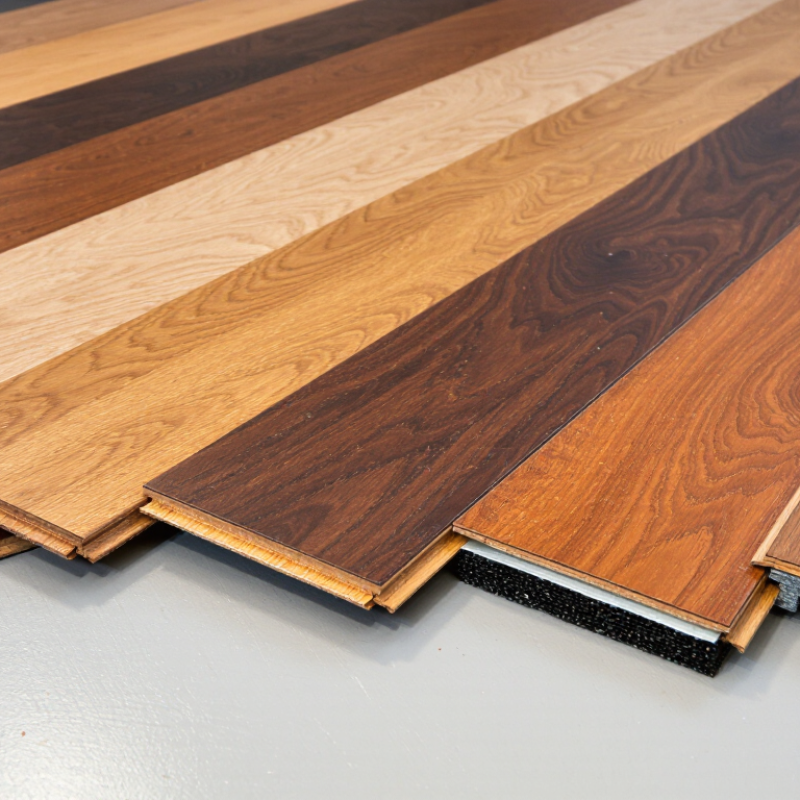
A wood grain floor mat imitates timber without using solid wood. Its surface usually combines a printed grain film with PVC, rubber, or soft foam. The pattern creates a warmer visual effect near entrances, kitchens, and workspaces.

The working principle is practical. A textured top layer catches dust and reduces wet footprints. A flexible backing grips the floor and limits sliding. Some models also absorb sound under shoes. Construction varies widely, however. A thin printed mat may look convincing but wear faster beside a busy doorway. A thicker mat can feel safer, yet its edges may curl if stored poorly. Small details matter.

Grand View Research’s 2024 flooring analysis forecasts about 5.6% annual growth in the global flooring market from 2024 to 2030. That wider trend supports demand for affordable surface upgrades. Freedonia’s global floor coverings research also identifies resilient materials as important in renovation and commercial settings. These reports do not measure wood grain mats directly, so buyers should avoid overstating the data.

For global purchasing, check abrasion resistance, backing material, drainage, and cleaning instructions. Ask for test results on wet ceramic tile, not only dry concrete. Inspect color stability after repeated washing. It is not waterproof by default. Performance can change with heat, humidity, and installation quality. A useful mistake is judging only the printed grain. The underside often decides whether the mat stays useful.

Which Wood Grain Floor Mat Types Will Lead the 2026 Market?

The 2026 market will favor wood grain floor mats that balance visual warmth, water resistance, and easy maintenance. Grand View Research valued the global flooring market at approximately USD 457 billion in 2023, with continued growth toward 2030. This wider expansion supports wood-look products, especially in apartments, hotels, offices, and retail entrances.

SPC and PVC wood grain mats are strong candidates for leadership. Their printed oak, walnut, and ash patterns create a warmer entrance without the upkeep of natural timber. They also resist moisture, stains, and frequent cleaning. Recycled PET woven mats should gain attention too. The Ellen MacArthur Foundation reports that recycled polyester can reduce dependence on virgin raw materials, although actual environmental performance depends on collection and manufacturing quality.

Rubber-backed wood grain mats will remain practical for high-traffic areas. They offer grip, flexible sizing, and better floor contact on tile or sealed concrete. Modular tile mats may also expand because damaged sections can be replaced individually. That detail matters for commercial buyers.

Small design errors still matter. Some printed grains look artificial under bright lighting. Poor backing can curl at the edges. Buyers should request abrasion tests, slip-resistance data, colorfastness results, and cleaning instructions before ordering. ASTM and ISO testing references can improve supplier comparisons, but paperwork alone does not prove long-term performance. In 2026, the leading type may not be the most decorative one. It will be the mat that survives wet shoes, rolling carts, and repeated washing.

2026 Top Wood Grain Floor Mat Types for Global Buyers

Comparative outlook based on material performance, use environment, maintenance requirements, sustainability considerations, and global buyer demand.

Wood Grain Floor Mat Type Main Material Structure Best-Fit Applications Key Functional Strength Moisture Performance Cleaning & Maintenance Sustainability Consideration 2026 Market Outlook
PVC Wood-Print Mat Flexible PVC with printed wood-grain surface Kitchens, entryways, corridors, rental homes Low cost, broad pattern selection, easy cutting Very good; surface is water-resistant Sweep or damp-mop; avoid harsh solvents Long service life is possible, but conventional PVC is fossil-based and difficult to recycle High
TPE Wood-Grain Mat Thermoplastic elastomer with molded or embossed grain Bathrooms, children's rooms, light commercial areas Soft touch, flexible edges, good slip resistance Excellent when seams and backing are properly sealed Easy to rinse and wipe; dries quickly Some TPE formulations are recyclable; composition should be verified by the buyer High
PVC Foam Wood-Texture Mat Closed-cell PVC foam with wood-look laminated or printed top layer Standing work areas, kitchens, retail interiors Cushioning, thermal insulation, reduced foot fatigue Very good; closed-cell foam resists water absorption Regular sweeping and damp cleaning; protect edges from damage Material efficiency is good, although end-of-life recycling can be limited High
Rubber-Backed Wood-Look Mat Textile, vinyl, or printed top layer with natural or synthetic rubber backing Entrances, offices, hospitality, high-traffic zones Strong floor grip and improved dimensional stability Good; backing should be ventilated after heavy wet cleaning Vacuum, shake, or damp-mop depending on surface construction Durable backing can extend replacement intervals; mixed materials may complicate recycling High
Polyester Printed Wood-Grain Mat Printed polyester fabric or felt with anti-slip backing Bedrooms, living rooms, offices, decorative interiors Lightweight, visually versatile, comfortable underfoot Moderate; performance depends on backing and edge construction Vacuum regularly; machine washing only when specified by construction Recycled polyester options are available; synthetic fiber shedding should be considered Medium-High
Bamboo Wood-Grain Mat Laminated bamboo slats or strips with protective coating Bathrooms, balconies, spas, natural-style interiors Natural appearance, firm support, renewable raw material Moderate to good; prolonged standing water may cause swelling or finish damage Keep dry, wipe spills promptly, and inspect coating and joints Bamboo grows rapidly, but adhesives, coatings, and responsible sourcing remain important Medium-High
Solid Wood Slat Mat Joined hardwood or softwood slats with a flexible connector Saunas, patios, bathrooms, premium residential settings Authentic wood feel, ventilation between slats, repairability Moderate; requires drying and protection from prolonged moisture Sweep and wipe; periodic sanding or refinishing may be required Renewable when responsibly sourced; wood treatment and origin documentation matter Medium
WPC Wood-Grain Mat or Panel Mat Wood-plastic composite containing wood fiber or flour and thermoplastic resin Outdoor entry areas, balconies, semi-covered commercial spaces Rigid structure, wood-like appearance, resistance to routine outdoor exposure Good; expansion, drainage, and temperature variation must be managed Brush or hose clean; allow drainage beneath the mat Can use wood by-products, but composite separation and recycling vary by formulation Medium-High

Buyer note: The market outlook ratings are comparative qualitative assessments rather than audited market-share statistics. Actual suitability depends on climate, installation conditions, local regulations, required certifications, slip-resistance testing, and the mat’s complete construction.

How Do Materials and Surface Designs Affect Mat Performance?

Material choice determines how a wood grain floor mat behaves under daily pressure, moisture, and dirt. PVC mats offer flexible cushioning and clear grain patterns, but lower-grade formulas may curl or harden in cold rooms. TPE provides a softer touch and usually resists moisture well. Rubber gives strong grip, although its odor may concern buyers in enclosed spaces. In warehouse trials, dense materials handled rolling carts better than thin flexible sheets. The result still depends on thickness, backing quality, and floor condition.

Surface design changes performance more than many buyers expect. Deep embossed grooves can trap sand and water, while shallow grain patterns clean faster. Raised ridges improve traction near entrances, but they may feel uncomfortable under bare feet. Printed wood textures look realistic. They provide little physical grip. Texture matters. Edges matter too. Beveled borders reduce trips and help wheels pass smoothly. However, overly soft borders can deform after repeated traffic. I once selected a visually attractive mat with narrow grooves, but fine dust settled inside them within days. That mistake showed me that appearance cannot replace cleaning tests. Buyers should compare wet-slip behavior, abrasion resistance, odor, and color stability under actual lighting. Surface claims need evidence from measured tests, not only product photographs.

2026 Top Wood Grain Floor Mat Types for Global Buyers

How Materials and Surface Designs Affect Mat Performance

Comparative performance index from 1 to 10 based on typical material characteristics and surface construction. PVC and rubber-backed designs generally provide stronger moisture resistance and dimensional stability, while polypropylene and polyester offer practical cleaning performance. Raised grain textures can improve scraping and visual realism, but deeper textures may require more frequent cleaning.

How Can Global Buyers Compare Safety, Durability, and Maintenance?

Global buyers should compare wood-grain floor mats through measurable safety details, not appearance alone. The WHO reports about 684,000 fatal falls worldwide each year. A loose mat can increase everyday trip and slip risks. Check for beveled edges, a stable backing, and tested wet slip resistance. Ask suppliers for results using standards such as ANSI/NFSI B101.3 or ASTM F609. Test numbers are more useful than “anti-slip” claims.

Wood-grain PVC mats clean easily and suit entrances, kitchens, and commercial corridors. Rubber-backed polyester usually offers stronger grip, but it may release odor in hot, poorly ventilated rooms. EVA foam feels softer underfoot, though sharp furniture can leave permanent dents.

Review abrasion results, backing adhesion, UV resistance, and curling after repeated washing. A practical sample test helps: place the mat on wet tile, roll a loaded trolley over it, then inspect the edges. I would not pretend one material fits every climate.

Tips: Request a one-square-meter sample. Leave it in sunlight and humidity for seven days. Wipe oil, mud, and detergent separately. Record staining, odor, curling, and color loss. Maintenance guidance should state water temperature, cleaning chemicals, drying time, and replacement signs. The wrong detergent can damage the printed grain layer, even when the base remains intact. That small detail is often missed.

What Should Importers Check Before Placing an International Order?

In 2026, wood grain floor mats may include PVC-backed kitchen mats, foam anti-fatigue mats, entrance mats, and woven surface designs. Each type serves a different space and shipping requirement. Before placing an international order, importers should confirm the material structure, surface texture, backing quality, and intended use. A realistic wood pattern should remain clear after cleaning and regular foot traffic. Ask for product samples, technical sheets, and recent test reports. Do not rely on photographs alone.

Dimensions need careful attention. Measure length, width, thickness, roll diameter, and carton size. Small production tolerances can affect retail fitting and container planning. Confirm color variation between samples and mass production. It happens more often than expected. Importers should also check odor, slip resistance, abrasion performance, edge curling, and moisture behavior. Requirements differ by destination market, so buyers should verify applicable safety and chemical standards with qualified local specialists.

Tips: Request a pre-production sample and approve it in writing. Ask how the supplier controls wood grain alignment and backing adhesion. Confirm packaging protects corners from compression and moisture. Review labeling, pallet details, payment terms, inspection timing, and shipping responsibilities before production. A lower unit price may hide higher replacement costs. Also, allow time for independent inspection; rushing this step can create expensive surprises. There is always some uncertainty. Plan for it.