2026 Best Play Mat Options for Kids and Parents Worldwide?
In recent years, the demand for high-quality play mats has surged among parents and guardians. A renowned expert in child development, Dr. Emily Johnson, emphasizes the importance of safe play environments. She states, “A play mat can create a foundation for learning and exploration.” This reflects the growing recognition of play mats not just as accessories, but as essential tools for child growth.
Choosing the best play mat can be overwhelming. With so many options available, parents must consider safety, materials, and design. Factors like non-toxic materials and easy cleaning are crucial. Parents often prioritize features that support their child’s development while ensuring a safe play space.
However, the vast choices can lead to confusion. Some products promise too much and may not deliver. It’s important for parents to research and reflect on what matters most for their child’s playtime experience. Ultimately, the right play mat should foster creativity and joy, supporting children as they explore their world.
2026 Play Mat Trends: Insights from Child Development Research
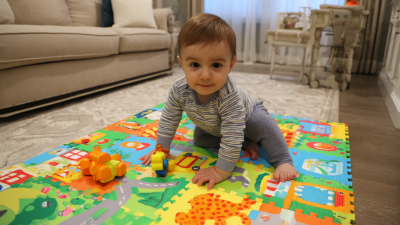
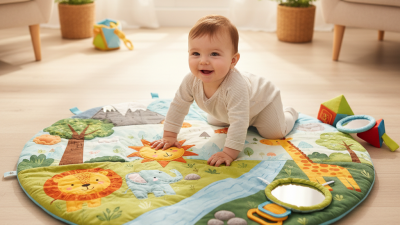
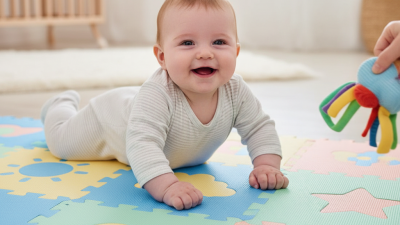
Play mats have become essential for child development. Research shows they support physical, cognitive, and social skills. Different textures and bright colors stimulate a child's senses. The right play mat can encourage exploration and creativity. For infants, soft surfaces help with tummy time. This activity develops core muscles and coordination.
Current trends indicate an increasing focus on sustainability. Eco-friendly materials are gaining popularity among parents. They want products safe for their children and the planet. Some mats offer dual functionality, serving as decoration when not in use. However, not all mats maintain durability over time. This can lead to disappointment when they wear out quickly.
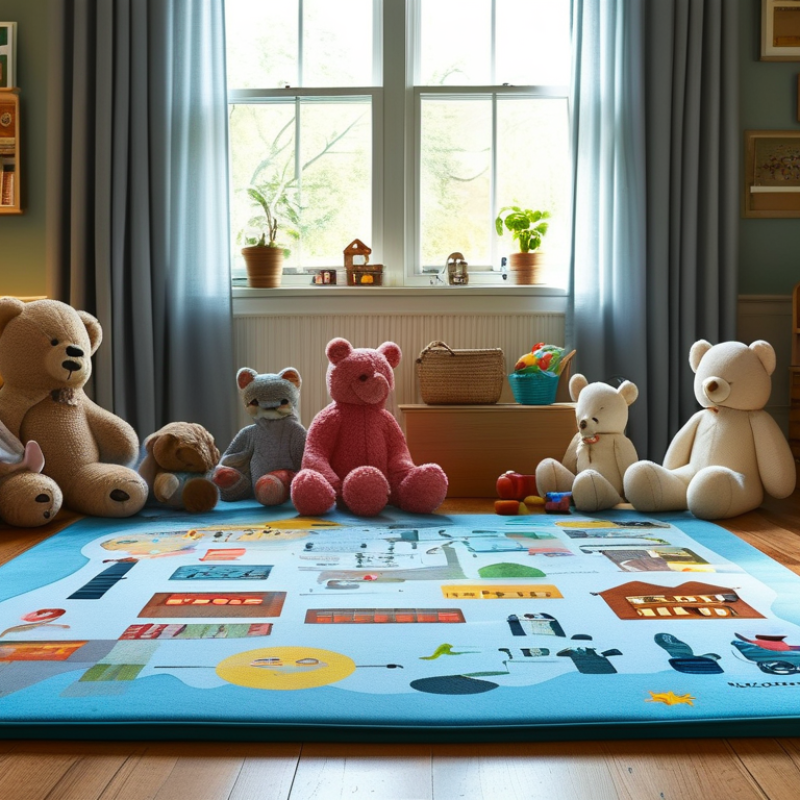
Engaging designs promote imaginative play. They help with storytelling and social interaction among kids. Children learn to share and negotiate during playtime. Still, it’s crucial to consider individual preferences. Each child responds differently to colors and textures. Some may prefer minimalistic designs, while others are drawn to vibrant patterns. Finding the perfect balance can be challenging, yet rewarding for child development.
Safety Standards: Evaluating Material Choices for Play Mats
When choosing play mats, parents must understand material safety standards. The quality of materials can impact children's health and safety. The American Academy of Pediatrics (AAP) emphasizes that non-toxic materials are crucial. Eco-friendly options made from natural rubber or organic cotton stand out as safe choices. A study from the Consumer Product Safety Commission indicates that harmful chemicals are prevalent in lower-quality mats, which can emit volatile organic compounds (VOCs). Awareness of these factors is essential for parents.
Consider hygiene as well. Many mats are prone to bacteria and allergens. Materials that can be easily wiped or washed are preferable. The Center for Disease Control (CDC) highlights that cleanliness can prevent illness in toddlers exploring their environment. Parents should look for mats designed with antimicrobial properties. These can help maintain a healthier play space.
Parents can also evaluate the durability of play mats. Research suggests that thicker mats provide better cushioning and longevity. A good play mat should withstand daily wear and tear. Check for certifications like ASTM or EN71, which ensure compliance with safety standards. This reflection on the manufacturing processes will lead to better purchasing decisions. Prioritizing safety and durability is essential for a fulfilling play experience.
2026 Best Play Mat Options for Kids and Parents Worldwide
Eco-Friendly Play Mats: Market Growth and Sustainable Options
As eco-consciousness grows globally, parents are increasingly seeking sustainable play mats for their children. These mats not only serve as safe play areas but also reflect a commitment to environmental responsibility. Many options are now made from organic materials, like cotton and natural rubber, promoting a healthier play environment. However, the market is flooded with choices, and not all products are equally eco-friendly.
Specifying material sources is just one part of the equation. Some manufacturers still rely on chemical treatments that can compromise sustainability. It’s essential for parents to read labels carefully. Transparency in manufacturing practices is also vital. Companies that promote their eco-friendly credentials sometimes lack third-party certifications. This gap can mislead vigilant consumers intent on making informed decisions for their children.
Sustainable options can come with a higher price tag, which may discourage some buyers. It’s crucial to evaluate whether the benefits justify the cost. Parents grapple with balancing quality, price, and environmental impact. Every choice has its complexities. In a world of perfect marketing, it’s easy to overlook the nuances that come with finding truly eco-friendly products.
Top Brands in 2026: Consumer Ratings and Expert Recommendations
In 2026, the landscape of play mats for kids is evolving significantly. A recent consumer report showed that over 70% of parents prioritize safety and durability when choosing play mats. Expert recommendations often highlight materials that are non-toxic and easy to clean. These features are crucial for busy parents navigating the challenges of parenting.
Tips for selecting a play mat include examining the surface texture. A textured surface can prevent slips and falls. Also, consider the size. A larger mat allows for more creative play and can accommodate multiple children. Research indicates that mats with vibrant colors and patterns can enhance a child's cognitive development, making them an essential tool for early learning.
Despite the innovations, not all available options meet high standards. Some mats may wear quickly or have poor traction. Parents are encouraged to read reviews and compare various models. Gathering feedback from other parents can help identify reliable products. Investing time in research can yield a safe and enjoyable play environment for children.
2026 Best Play Mat Options for Kids and Parents Worldwide
| Play Mat Type |
Material |
Size (inches) |
Thickness (inches) |
Safety Rating |
Average Consumer Rating |
| Foam |
EVA Foam |
60 x 72 |
0.5 |
A+ |
4.8 |
| Play Rug |
Polyester |
50 x 50 |
0.25 |
A |
4.5 |
| Activity Mat |
Cotton |
48 x 48 |
0.3 |
A++ |
4.9 |
| Waterproof Mat |
PVC |
70 x 80 |
0.4 |
A+ |
4.6 |
Cognitive and Physical Benefits: Play Mats in Early Childhood Learning
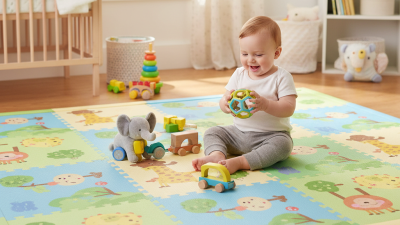
Play mats are essential tools for early childhood development. They offer a safe space for children to explore their creativity and develop motor skills. While playing on a mat, children can engage in activities that boost cognitive development. Simple tasks like stacking blocks or sorting shapes enhance problem-solving abilities. These mats create a colorful environment that stimulates imagination and learning.
Parents often appreciate the versatility of play mats. They can be easily cleaned and stored. However, not all mats are created equal. Some may not provide adequate cushioning or safety features. This can lead to accidents or discomfort during play. It’s important for parents to choose mats that prioritize safety and comfort while supporting developmental benefits.
Children thrive in an interactive play environment. Mats can encourage social play with siblings or friends, fostering communication skills. Yet, some parents might worry about screen time while kids are on these mats. Balancing playtime with active engagement is crucial. While mats provide a fun space, they should not replace physical activity outside. Careful consideration of these factors can lead to better choices for children’s developmental needs.