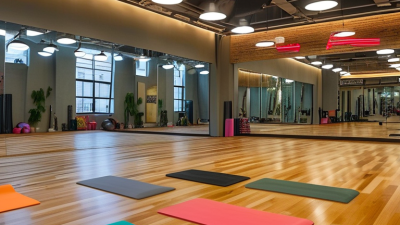
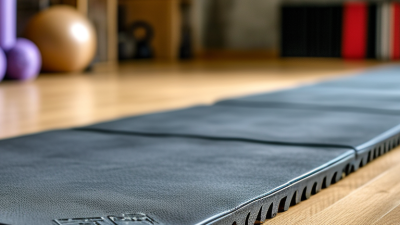
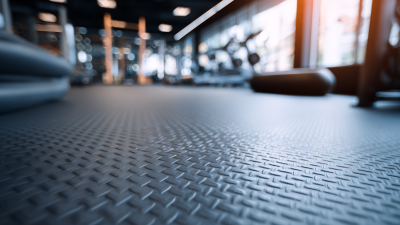
How to Choose the Best Gym Rubber Floor Mat for Your Needs
Choosing the right Gym Rubber Floor Mat is crucial for any fitness environment. A good mat provides safety and comfort during workouts. According to a 2022 market research report by Grand View Research, the global gym flooring market is projected to reach $1.3 billion by 2025. This growth highlights the importance of selecting high-quality mats.
Many fitness enthusiasts overlook the specific benefits of Gym Rubber Floor Mats. These mats offer excellent shock absorption and slip resistance. They also protect the underlying floor from damage. However, not all mats are created equal. Factors such as thickness, density, and surface texture greatly affect performance. It’s essential to consider these aspects to avoid common pitfalls.
Investing in a Gym Rubber Floor Mat may seem straightforward, but the choices can be overwhelming. Some mats may wear down quickly under high traffic, while others may not provide adequate cushioning. It is worth evaluating different options before making a decision. Reliable reviews and expert opinions can guide your selection process, ensuring you find the best mat for your needs.
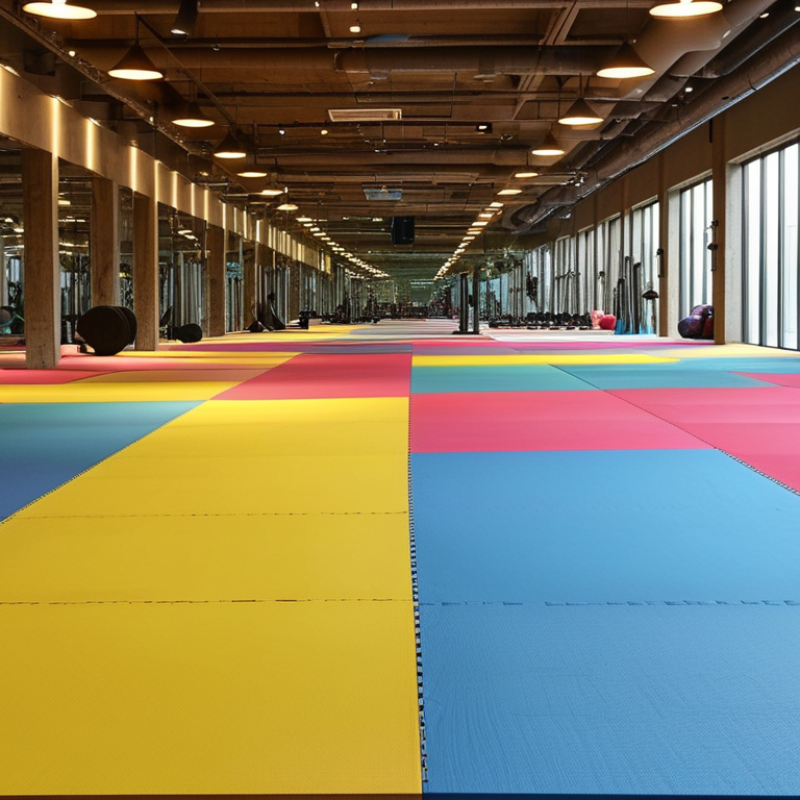
Types of Gym Rubber Floor Mats and Their Uses
When selecting a gym rubber floor mat, it's crucial to understand the types available. There are various options, each serving distinct purposes.
Interlocking tiles offer flexibility. You can easily customize your space. They also provide excellent shock absorption. This is particularly beneficial for weightlifting areas.
Another option is rolled rubber mats. These are ideal for larger spaces. They create a seamless surface, reducing the risk of trips.
Rolled mats tend to be more affordable and easier to install. However, they can be heavier and require more effort to move. For individuals with specific workout needs, specialized mats exist. For example, high-impact zones may benefit from thicker mats to absorb sound.
When thinking about durability, consider your workout routine. Some mats wear down faster than others. This inconsistency can be frustrating. Weigh the pros and cons of each type carefully. Understand that not every mat will fit your needs perfectly. It’s a learning process. The ideal mat should provide comfort and support while fitting seamlessly into your workout environment.
Key Factors to Consider When Choosing Gym Rubber Mats
Choosing the right gym rubber floor mat involves several important factors. Thickness is one of the most crucial aspects to consider. Thicker mats offer better cushioning, making them ideal for high-impact activities. They can absorb shock and reduce the risk of injury. However, thicker mats may also be heavier and harder to maneuver.
Another critical factor is the texture of the mat. A mat with good grip prevents slipping during workouts. This is especially vital for activities like weightlifting or yoga, where stability is key. Test the surface to ensure it meets your needs. An overly smooth mat can lead to accidents, while a too-grippy one can be difficult to clean.
Finally, consider the material used in the mats. Quality rubber mats are often made from recycled materials, which can be both eco-friendly and durable. Look for mats that offer resistance to wear and tear, as this will enhance their lifespan. Reflect on your workout habits and the space available. Take accurate measurements before making a decision to ensure your gym is both safe and functional.
Measuring Your Space for the Perfect Mat Fit
When selecting a rubber gym floor mat, measuring your space is crucial. Accurate dimensions help you avoid costly mistakes. You should know the total area you want to cover. A study by the National Institute of Health reveals that improper flooring can lead to 30% more injuries in gym settings. Thus, a perfect fit can significantly enhance safety and performance.
Consider the shape of the workout area. Is it rectangular, square, or an irregular shape? Irregular spaces may require more planning. You might have to use multiple mats or cut them. Always measure twice before cutting or purchasing. According to a report by the International Fitness Association, tailored flooring solutions improve user experiences by 25%.
Think about the thickness of the mat. Thicker mats provide more cushioning but take up more space. If you notice that your measurements suggest insufficient space for thicker mats, you must reassess. Evaluating every angle of your area ensures better results. Some may even find that their current space limits options. Upgrading your gym layout might provide better opportunities to maximize your floor mat choice.
Comparing Materials: Rubber vs. Other Flooring Options
When selecting flooring for a gym, material choice is critical. Rubber flooring stands out due to its durability and shock absorption. Research shows that gyms utilizing rubber mats reduce injury rates by 25% compared to hard surface alternatives. This indicates that safety is one significant advantage of rubber over other flooring options.
However, rubber is not without drawbacks. Some users dislike the smell of new rubber mats, which can linger for weeks. This might be a problem for sensitive individuals or those with allergies. Conversely, other materials like vinyl may lack the grip and cushioning rubber provides, potentially increasing the risk of slips. Notably, a study found that 40% of gym-goers preferred rubber for its non-slip characteristics.
When comparing options, consider maintenance. Rubber mats are relatively easy to clean, requiring just mild soap and water. Other materials may need specialized cleaners, adding to long-term costs. Ultimately, evaluating your specific needs can lead to better decisions. A wrong choice could impact both safety and functionality.
Maintenance and Care Tips for Gym Rubber Floor Mats
When it comes to gym rubber floor mats, proper maintenance is essential for durability and performance. Regular cleaning helps to remove sweat, dust, and debris. A study by the National Athletic Trainers’ Association emphasized that maintaining a hygienic workout environment can reduce the risk of infections. Use a simple mixture of warm water and mild detergent for cleaning. Avoid harsh chemicals, as they can degrade the rubber surface over time.
Worn mats can easily lead to slips or injuries. It’s important to routinely check for signs of damage, like tears or cracks. According to industry standards, mats should be replaced every five to seven years depending on usage. This not only ensures safety but also maintains the aesthetic appeal of your gym. In busy facilities, consider implementing a quarterly inspection schedule.
While some mats claim to be "maintenance-free," reality tells a different story. Regularly removing moisture and debris extends the lifespan of these mats. Long-term investment in quality mats pays off in lower replacement costs and enhanced user satisfaction. Reflect on your current cleaning processes; even minor changes can significantly improve outcomes.