Top Gym Floor Mats for Your Fitness Studio Needs?
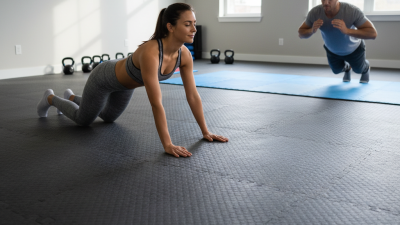
In the fitness industry, creating an optimal workout environment is essential. The right Gym Floor Mat plays a crucial role in this process. According to a report by the International Health, Racquet & Sportsclub Association, over 60% of fitness studios prioritize flooring for safety and comfort. This statistic highlights the importance of investing in quality mats.
Professional fitness expert Dr. Jane Evans emphasizes that "the right mat can reduce injury risk and enhance performance." Her insights reflect the industry's growing awareness of the impact of flooring on workout outcomes. With various materials and designs available, selecting the right Gym Floor Mat can be overwhelming.
While many studios opt for basic solutions, they may overlook advanced features that provide superior grip and cushioning. Cheaper options may save money initially but could lead to safety concerns. Recognizing the long-term benefits of quality mats is essential for fitness studios aiming for success and safety. The right choice can transform a space, enhancing the overall experience for both trainers and clients.
Choosing the Right Material for Gym Floor Mats
Choosing the right material for gym floor mats is crucial. Different activities require varied flooring. High-impact workouts need sturdy mats. Yoga classes benefit from softer surfaces. Understand your fitness studio's needs.
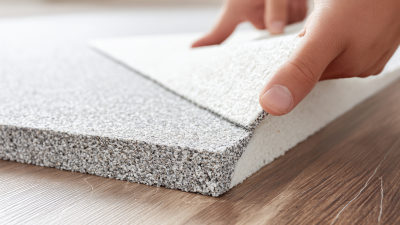
Rubber mats offer excellent shock absorption. They provide stability and grip for weightlifting. Foam mats are lighter and portable. They cushion the floor for Pilates or stretching. The right choice can also influence safety. Poorly chosen mats can lead to injuries.
Consider maintenance as well. Some materials collect dirt and sweat, needing frequent cleaning. Others resist stains and are easier to wash. Think about the installation process, too. Some mats are easy to lay down while others may require professional help. Evaluate your options carefully to ensure you meet your studio's demands.
Top Gym Floor Mats for Your Fitness Studio Needs
Types of Gym Floor Mats and Their Benefits
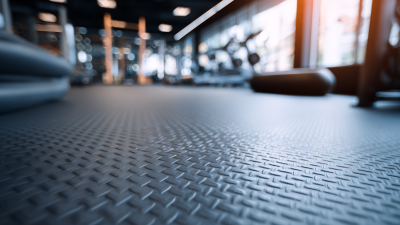
When it comes to gym floor mats, understanding the different types available is essential. Rubber mats are popular due to their durability. They can withstand heavy weights and high-impact activities. Their non-slip surface offers added safety. These mats help reduce the noise created during workouts. However, they can be heavy and challenging to move, which is something to consider.
Foam mats are another option. They are lightweight and provide excellent cushioning. This makes them ideal for floor exercises and yoga. The comfort level is often higher compared to rubber mats. However, foam might wear out faster. It’s crucial to assess the type of workouts you are planning to do.
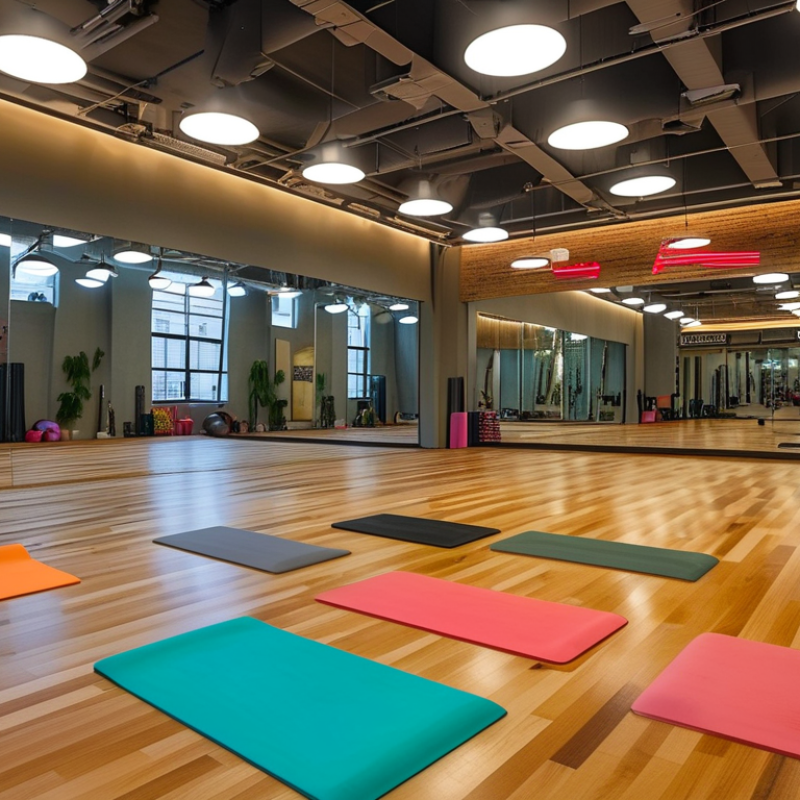
Hardwood floor mats create a classic aesthetic in fitness studios. They offer stability for activities like dance and Pilates. However, they lack the cushioning of rubber or foam. This can lead to discomfort during prolonged usage. Balancing aesthetics with comfort is a common dilemma for gym owners.
Top Gym Floor Mats for Your Fitness Studio Needs
| Type of Mat |
Material |
Thickness |
Primary Benefit |
Ideal For |
| Foam Mats |
EVA Foam |
1/2 inch |
Shock Absorption |
Yoga, Pilates |
| Rubber Mats |
Natural Rubber |
3/8 inch |
Durability |
Weightlifting, CrossFit |
| Vinyl Mats |
Vinyl |
1/4 inch |
Easy to Clean |
General Fitness, Aerobics |
| Carpet Mats |
Nylon/Polyester |
1 inch |
Comfort and Warmth |
Stretching, Bodyweight Exercises |
| Interlocking Mats |
EVA Foam |
5/8 inch |
Customizable Layouts |
Martial Arts, Dance |
Factors to Consider for Gym Floor Mat Thickness
When selecting gym floor mats, thickness is an essential factor. Thicker mats typically offer better cushioning and shock absorption. This is especially crucial for activities involving heavy weights or high-impact exercises. A mat that is too thin might not provide the support needed, resulting in discomfort or injury during workouts.
Consider the type of fitness activities in your studio. If you focus on yoga or stretching, thinner mats could suffice. However, for weightlifting or high-intensity interval training, thicker options are vital. An ideal thickness ranges from 1/4 inch to 1 inch, depending on usage. Keep in mind, not all mats are created equal. Some may compress quickly under weight, losing their effectiveness.
Be mindful of the flooring underneath the mats as well. A hard surface may necessitate a thicker mat to provide adequate support and protection. Reflect on your space's overall design too. Choosing a mat that's too thick might cause tripping hazards, while one that's too thin can lead to muscle strain. Finding the right balance is key to creating a safe and effective workout environment.
Top Brands Offering Quality Gym Floor Mats
Choosing the right gym floor mats is essential for any fitness studio. Several top brands offer mats designed for durability and performance. These mats come in various materials, including rubber, foam, and vinyl. Each material has its unique benefits. Rubber mats, for example, provide excellent traction and shock absorption. Foam mats are lightweight and comfortable, ideal for stretching and yoga.
When selecting mats, consider the specific needs of your studio. High-impact areas require stronger mats. Also, look for options that are easy to clean and maintain. Some mats are resistant to stains and odors, which is a significant advantage in busy studios.
It’s important to remember that not all brands will meet your expectations. Research customer reviews and gather feedback before making a decision.
Quality gym mats can be an investment. You might find cheaper options, but they often compromise safety and comfort. A poor choice might result in slips or injuries. Investing in reputable brands can save you from future setbacks. While price is crucial, remember to factor in performance and durability. The goal is to create a safe and inviting space for your clients.
Maintenance Tips for Prolonging the Life of Gym Mats
Maintaining gym floor mats is crucial for their longevity. Regular cleaning is essential.
Use a mixture of mild soap and warm water to wipe down the mats after each use.
This simple step helps remove sweat and dirt. It's easy to overlook, but neglect can lead to odors and material degradation.
Check mats for wear and tear. Small rips can turn into larger problems if ignored.
Replace damaged mats promptly to ensure safety.
Consider rotating mats occasionally, allowing for even wear. Store mats properly when not in use;
keeping them flat can prevent creasing.
Implement a schedule for deep cleaning. This should occur at least once a month.
Using a vacuum can help eliminate dust and debris. Make sure you dry the mats completely after cleaning.
Damp mats can harbor mold, which is a significant health risk. Awareness and proactive measures are key to maintaining your gym mats effectively.