Best Yoga Mats in China for Global Buyers 2026?
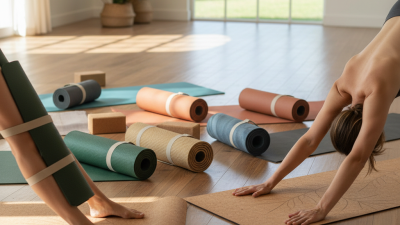
As the yoga community continues to grow globally, choosing the right Yoga Mat becomes increasingly important. The right mat not only enhances your practice but also provides essential comfort and support. In China, several brands and products stand out in delivering quality and innovation tailored for diverse users.
Navigating the market of Yoga Mats can be challenging. Many options claim to be the best, but not all live up to expectations. Look for mats that offer durability and grip while being eco-friendly. Brands that prioritize sustainability gain an edge. Additionally, the texture and thickness of a Yoga Mat can affect your performance and comfort.
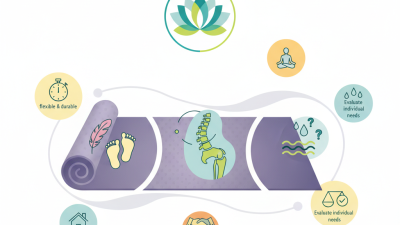
Finding the perfect Yoga Mat requires personal consideration. A mat that works well for one person may not suit another. Exploring various options based on your style and preference is crucial. Embrace the journey of finding a mat that aligns with your goals. Reflect on your experiences to make an informed choice.
Overview of Yoga Mat Market in China for 2026
The yoga mat market in China is approaching a transformative phase. As of 2026, the demand for yoga mats is projected to grow by over 15% annually. This rise is driven by an increasing health consciousness among consumers. Additionally, demographics show a growing number of millennials and Gen Zers embracing yoga.
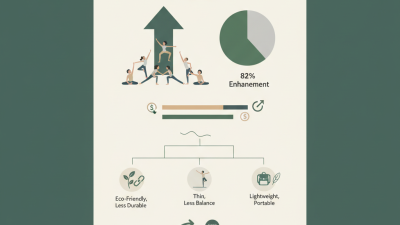
Fascinatingly, around 30% of Chinese yoga practitioners prefer eco-friendly materials. The focus on sustainability in product choices is evident. However, some still struggle to find mats that strike the right balance between quality, affordability, and environmental impact. Research indicates that many buyers hesitate due to limited information about material sources and manufacturing methods.
Moreover, while online sales channels are booming, about 25% of customers express concerns about quality and authenticity when purchasing mats online. Despite this, the market appears resilient, driven by innovative designs and better customer awareness. Brands that prioritize transparency may perform better. There's a clear opportunity for growth in educating consumers about yoga mat features and benefits.
Key Features to Consider When Choosing a Yoga Mat
When selecting a yoga mat, consider its thickness. A standard mat ranges from 3mm to 6mm. Thicker mats provide cushioning but may limit stability. If you practice frequently, a balance is essential.
Material is another crucial factor. PVC mats are common, but eco-friendly alternatives exist. Natural rubber offers durability and grip but may have a strong odor initially. Each material affects comfort and performance.
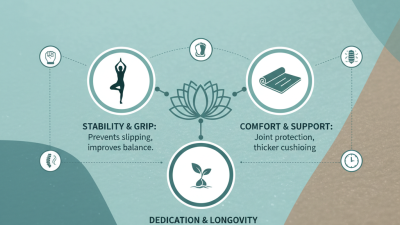
Texture plays a significant role in grip. A rougher texture prevents slipping during poses. However, it may irritate sensitive skin. The choice depends on your practice style and personal preference. Comfort is paramount, though it should align with your practice needs. Assess what feels best for you.
Top Brands and Manufacturers of Yoga Mats in China
When looking for yoga mats in China, global buyers face diverse options. One prominent aspect is the variety of materials used. Many manufacturers focus on eco-friendly and durable materials. Natural rubber and TPE are often preferred for their sustainability and non-toxic properties. However, the quality can vary significantly. It's essential to research and read reviews before purchasing to ensure you’re choosing a reliable product.
Another vital consideration is the design and texture of the mats. A non-slip surface is crucial for safety during practice. Many top brands offer textured surfaces that enhance grip, but some may wear out quickly. Buyers should evaluate how a mat holds up over time. Experience shows that not all aesthetically pleasing mats perform well under pressure. It’s often a balance between style and functionality, which requires careful thought.
Price is an essential factor too. In China, yoga mats can range from affordable to premium options. Understanding your budget while prioritizing quality is key. While inexpensive mats may seem attractive, they can lack durability and safety features. Investing in a good-quality yoga mat often pays off in the long run. Even so, some mats may not align with a practice style, prompting reflections on the best choices for individual needs.
Sustainable and Eco-Friendly Yoga Mat Options
When choosing yoga mats, sustainability and eco-friendliness stand out in importance. Many yoga enthusiasts are seeking products that align with their values. A good option is natural rubber mats. These mats offer excellent grip and durability, made from renewable sources. They decompose naturally, reducing landfill waste.
Another great choice includes mats made from TPE (Thermoplastic Elastomer). TPE mats are lightweight and free from harmful chemicals. They are known for their cushioning and eco-friendliness. While they are a step up from traditional PVC mats, TPE mats might not last as long. This could lead to more frequent replacements.
Many mats incorporate recycled materials. This option supports waste reduction. However, buyers should check the recycling process of these materials. Transparency in sourcing is essential for making informed choices. It's crucial to carefully evaluate the mat's life cycle. Consumers should reflect on the impact of their purchasing choices on the environment.
Buying Guide for Global Buyers: Tips and Best Practices
When shopping for the best yoga mats in China, global buyers should consider several factors. The material of the mat plays a crucial role in durability and comfort. Many mats are made from PVC, TPE, or natural rubber. Each material has its pros and cons that can affect your practice. For instance, natural rubber provides excellent grip but may not be suitable for those with latex allergies.
Thickness is another essential aspect. Thicker mats offer more cushioning, which is beneficial for sensitive joints. However, overly thick mats can affect stability. A balance is key. Look for mats that are at least 4 to 6 mm thick. This range typically offers a good compromise between comfort and stability.
Assess the mat's surface texture as well. A textured surface can enhance grip, especially during sweaty sessions. Smooth mats may feel more comfortable during seated poses but can be slippery in dynamic flows. Don't overlook portability. Many mats come with straps or bags, making them easier to carry around. Always check user reviews for insights. They often highlight unseen issues. A quality mat should not only suit your needs but also offer reliable performance over time.