2026 How to Choose the Best Yoga Mat for Your Practice?
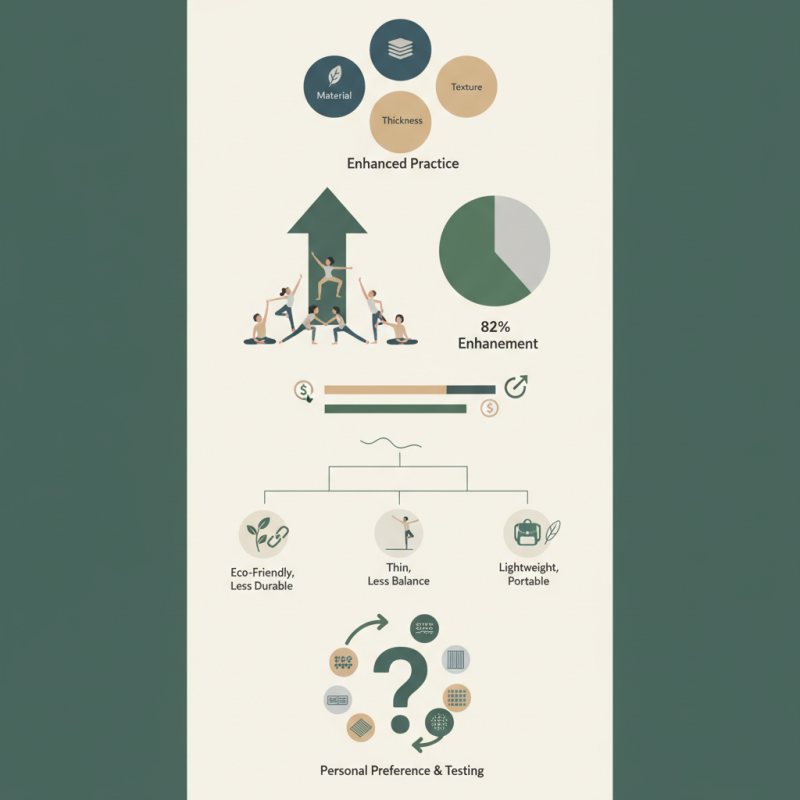
Choosing the right yoga mat can significantly impact your practice. According to a 2023 survey by Yoga Journal, around 82% of practitioners believe quality mats enhance their yoga experience. Selecting a yoga mat goes beyond aesthetics. Factors like material, thickness, and texture play vital roles in performance and comfort.
With the global yoga mat market projected to reach $22 billion by 2026, understanding your options is crucial. Each mat type has unique benefits and drawbacks. For instance, while eco-friendly mats are popular, durability may vary. Some yogis may struggle to find balance on thinner mats, while others prefer the portability of lightweight options.
Personal preferences and specific needs should guide your choice. You may find that what works for you initially may not suit your evolving practice. Testing different mats can help uncover what truly resonates with your body and style. Ultimately, the right yoga mat can enhance your journey, but the path to finding it is seldom straightforward.
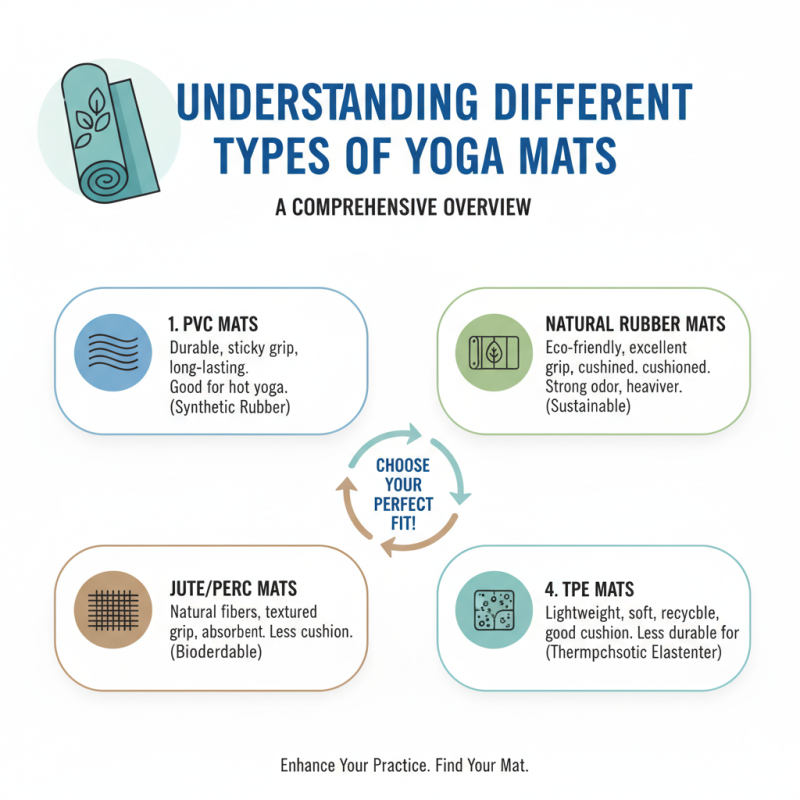
Understanding Different Types of Yoga Mats: A Comprehensive Overview
Choosing the right yoga mat can significantly enhance your practice. Different types of mats have unique qualities. Understanding these can help you find the perfect fit for your needs.
There are several materials to consider. Natural rubber mats offer excellent grip and cushioning. If you prefer a synthetic option, PVC mats are durable and easy to clean. TPE mats are a great eco-friendly choice, combining lightweight design with good traction. Think about how often you practice and where. A thicker mat can provide comfort for beginners. In contrast, advanced practitioners might prefer a thinner mat for better stability.
Texture is another aspect that influences your practice. Some mats have a smooth surface, while others feature a textured finish for added grip. If you sweat a lot during yoga, a mat with moisture-wicking properties may be beneficial. Try out different styles before committing. This is key to ensuring you find the right support for your journey, despite possible preferences or trends. A mat should feel like an extension of yourself rather than just an accessory.
Key Features to Consider When Selecting a Yoga Mat for Your Needs
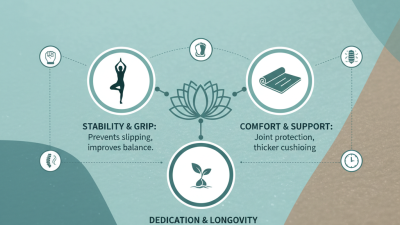
Choosing the right yoga mat is essential for your practice. The right mat can enhance your experience and prevent injuries. Here are key features to consider.
Look for thickness. A thicker mat provides cushioning for your joints. Mats typically range from 1/16 to 1/4 inches thick. If you have sensitive knees or wrists, opt for more cushioning. However, too much thickness can hinder stability. Aim for a balance.
Next, evaluate the material. Many mats are made from PVC, natural rubber, or TPE. PVC mats are durable but may lack eco-friendliness. Natural rubber offers grip but can be heavy. TPE is lightweight but may wear faster. Consider your priorities, and choose based on your values.
Don’t overlook texture. A textured surface can enhance grip and stability. Smooth mats may be softer but could lead to slips during transitions. Test out different mats if possible. Pay attention to how they feel during poses.
Tips: Check for odors, especially with new mats. Some materials may emit unpleasant smells. Always clean your mat after use to prolong its lifespan. Finding the right yoga mat involves some trial and error. Reflect on what feels right for your body and mind.
2026 How to Choose the Best Yoga Mat for Your Practice? - Key Features to Consider When Selecting a Yoga Mat for Your Needs
| Feature |
Description |
Importance Level |
| Material |
The type of material affects grip, durability, and eco-friendliness. |
High |
| Thickness |
Thicker mats offer more cushioning, while thinner mats provide more stability. |
Medium |
| Texture |
Texture affects grip; choose a textured surface for better traction. |
High |
| Weight |
Lighter mats are easier to transport, while heavier mats can provide more stability. |
Medium |
| Size |
Consider the length and width based on your height and practice type. |
High |
| Eco-friendliness |
Materials should be free from harmful chemicals and recyclable. |
Medium |
| Price |
Price ranges from budget-friendly to premium options, affecting quality. |
Medium |
Evaluating Thickness and Texture: Finding Your Ideal Comfort Level
Choosing the right yoga mat can significantly enhance your practice. The thickness and texture of the mat play crucial roles in your comfort and stability. Data from a 2022 industry report indicates that 65% of practitioners prefer mats between 4mm and 6mm thick. This range provides a balance of support and portability.
Thicker mats may offer more cushioning, but they can also make balancing poses more challenging.
Texture is equally important. A study found that 70% of users favor mats with a non-slip surface. This feature aids in maintaining poses and prevents injuries. The grip of a mat can change depending on temperature and moisture levels. A mat that feels great in dry conditions may become slippery when moist. Testing mats in different environments is advisable.
The ideal mat varies from person to person. Some may find extra cushioning comforting. Nevertheless, others could feel disconnected from their practice with a thick mat. Regularly assess your feelings during and after your sessions. Adjusting your choice can lead to improved focus and a better overall experience.
Budget Considerations: Choosing a Yoga Mat that Fits Your Financial Plan
When selecting a yoga mat, budget plays a crucial role. Many people assume that a higher price guarantees better quality. However, that's not always true. Finding a mat that fits your financial plan can enhance your practice without breaking the bank.
Here are some tips to consider. First, determine your budget before starting your search. This will help narrow your options. A mat under $30 can suffice for beginners. Look for mats that offer the essentials: good grip, decent cushioning, and durability. Quality doesn't always come with a hefty price tag.
Another point is to invest wisely. Spend a bit more on mats designed for hot yoga, as they provide better traction and support. Some mats feature eco-friendly materials, which can be a worthwhile investment for the environmentally conscious. Explore second-hand options, which may offer high-quality mats for a fraction of the price.
It's essential to reflect on your usage too. If yoga is a hobby, a less expensive mat may be suitable. However, if you practice regularly, you might need a sturdier option. Think about your practice style and frequency. A mat that fits your needs and budget can ultimately elevate your yoga experience.