2026 Best Gym Floor Mat Options for Home and Professional Use?
In the world of fitness, the right equipment plays a crucial role. One often overlooked essential is the Gym Floor Mat. It serves as a protective barrier for both floors and users, enhancing safety and performance. According to a report by IBISWorld, the fitness equipment industry is projected to grow significantly, reaching $12 billion by 2026. This growth highlights the importance of high-quality fitness accessories, including gym mats.
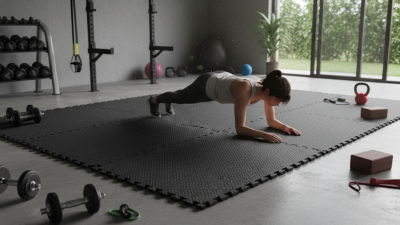
Quality Gym Floor Mats are essential in both home and professional settings. They provide cushioning, reduce noise, and prevent slipping during workouts. A study by the American Council on Exercise emphasizes that safety is a priority in exercise environments. Inadequate flooring can lead to injuries, impacting workout effectiveness and user experience. It's no wonder that many fitness professionals advocate for proper mat selection.
Despite the clear benefits, choosing the right Gym Floor Mat can be challenging. Various options exist, each with different materials, thicknesses, and textures. Users may feel overwhelmed by these choices. It's important to reflect on individual needs, workout styles, and budget constraints before making a decision. Ultimately, investing in the right mat can lead to a safer and more effective fitness journey.
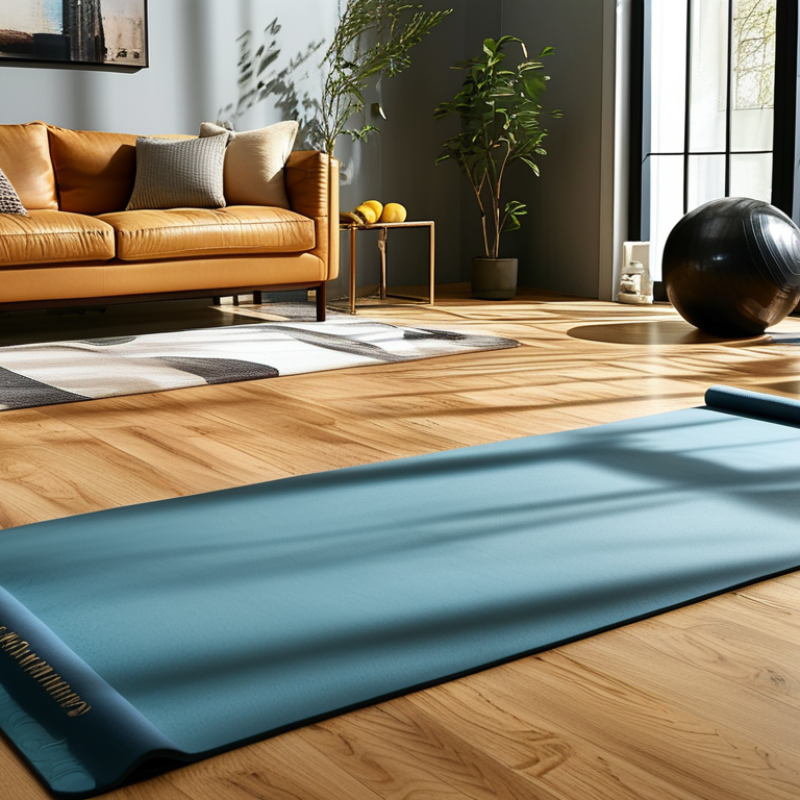
2026 Top Gym Floor Mat Features for Home and Professional Settings
When selecting gym floor mats for home or professional settings, several key features should be considered.
Durability is essential. Mats must withstand heavy foot traffic. Look for options that resist wear and tear over time.
Thickness matters too; thicker mats provide better cushioning for high-impact activities. A mat that is too thin may cause discomfort during workouts and lead to injuries.
Another crucial feature is slip resistance. Mats should have a textured surface to prevent slipping, especially when sweaty.
A mat that shifts during use can disrupt your workout. Easy maintenance is also vital. Mats that can be quickly cleaned and dried will maintain a hygienic environment.
This is especially important in professional settings with multiple users.
Lastly, consider the size and shape. A versatile mat can fit various spaces, accommodating different workout types. However, a mat too large may overwhelm smaller areas or be difficult to store.
Balancing size and functionality is necessary for an effective gym setup. Choosing the right mat involves careful evaluation, ensuring it meets both aesthetic and practical needs.
Comparing Material Durability: Rubber vs. Foam Gym Floor Mats
When choosing gym floor mats, material durability is key.
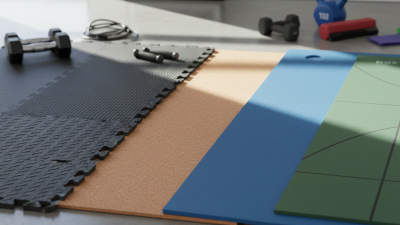
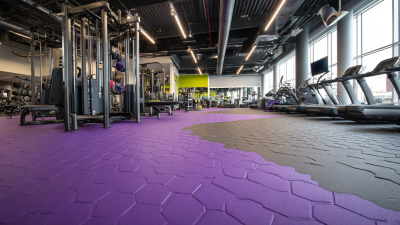
Rubber and foam are popular options. Rubber mats are dense and provide excellent shock absorption. They endure heavy weights and intense workouts. Many professional gyms prefer rubber due to its longevity.
However, they can be heavy, requiring effort to reposition.
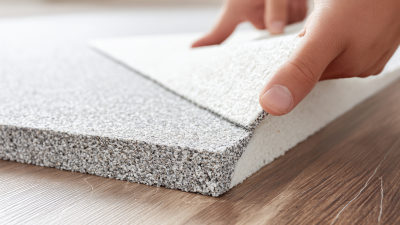
Foam mats, on the other hand, are lightweight and easier to move. They cushion joints effectively, making them ideal for activities like yoga or pilates.
However, their durability is lower than rubber. Over time, foam can compress and lose support.
It's also susceptible to tears, especially in high-traffic areas.
Both materials have their pros and cons. Choosing between them involves analyzing your specific needs.
If you have heavy weights, rubber may be best. For lighter activities, foam could suffice.
Conducting thorough research will aid in making informed decisions. Each gym's demands differ, catering to specific activities and user preferences.
Industry Standards for Gym Floor Mats: Thickness and Safety Ratings
When choosing gym floor mats, thickness and safety ratings are crucial. Mats range from half an inch to several inches thick, offering various levels of cushioning and support. Standard options typically have a thickness of 0.5 to 1 inch. Thicker mats may be more comfortable for high-impact activities. However, overly thick mats can pose stability issues during certain exercises.
Safety ratings are equally important. Look for materials that provide good traction. Some mats have non-slip surfaces to prevent accidents. Testing for durability is essential too, especially for heavy gym equipment. Regular wear and tear can undermine safety and effectiveness. Users should be cautious about purchasing mats that lack these safety features.
Consider how the mat will affect your workout. Some thicker mats might feel plush, but can lead to instability during balance exercises. Regular users often notice differences in performance based on mat thickness and firmness. It’s not only about comfort; it’s about ensuring a safe and effective workout environment. Make informed choices and reflect on your specific needs in a gym setup.
2026 Best Gym Floor Mat Options for Home and Professional Use - Industry Standards for Gym Floor Mats
| Mat Type |
Thickness (inches) |
Material |
Safety Rating |
Ideal Use |
| Foam Mat |
0.5 |
EVA Foam |
Class A |
Home Gym |
| Rubber Mat |
0.75 |
Recycled Rubber |
Class B |
Commercial Gym |
| Interlocking Tile |
1.0 |
Vinyl |
Class C |
High-impact Areas |
| Cardio Mat |
0.6 |
PVC |
Class A |
Home & Commercial |
| Weightlifting Mat |
1.5 |
High-density Foam |
Class B |
Weightlifting Areas |
Cost Analysis: Budget vs. Premium Gym Floor Mat Options
When choosing gym floor mats, it's essential to consider your budget. There are two main categories: budget and premium options. Budget mats often cost less but may compromise on durability and comfort. Premium mats, while pricier, usually offer better shock absorption and longevity.
If you're on a tight budget, look for mats that provide adequate cushioning. Consider products made from rubber or foam that balance cost and quality. However, be prepared to replace them sooner than a premium option. They might show wear and tear, which could affect your workout experience.
Premium mats might be a larger investment but can save money in the long run. They tend to last longer and provide superior support. Investing in a high-quality mat can reduce injury risks. Tips: Inspect warranties and return policies before purchasing. It's wise to read user reviews for real-life insights. Quality can vary between manufacturers, so do your homework. The right mat can transform your home gym or professional space significantly.
User Reviews and Satisfaction Ratings for Popular Gym Mat Brands
When looking for gym floor mats, user reviews offer valuable insights. Many customers emphasize durability as a crucial factor. They often rate mats based on their ability to withstand wear and tear. A mat that frays quickly can be highly disappointing. Users frequently mention slipping as a common issue. This can impact workouts and safety.
Satisfaction ratings often highlight comfort levels as well. Several users prefer thicker mats for added cushioning during floor exercises. However, some find that thicker mats can hinder balance in yoga or pilates. Feedback on cleanliness is also important. Mats that are easy to clean receive higher marks. This is particularly true for home environments where maintenance matters.
Yet, not all reviews are positive. Some users express dissatisfaction with odor issues from new mats. It's essential to read reviews critically. A few complaints can indicate shortcomings, but others may reflect personal preferences. Everyone’s fitness journey is different. Understanding these nuances can help you make the right choice for your needs.