Best Gym Floor Mats for Your Home or Studio Needs?
Creating the perfect workout environment at home or in your studio requires careful selection of a Gym Floor Mat. These mats play a crucial role in your fitness routine. They provide support, comfort, and safety while you exercise. Choosing the right mat can prevent injuries and improve your overall performance.
When looking for the best Gym Floor Mat, consider features like material, thickness, and durability. A quality mat will cushion your joints and enhance grip during workouts. However, not all mats meet these expectations. Some may wear down quickly, while others could slip, posing a risk during intense sessions. It’s essential to reflect on what you truly need from your mat.
Many buyers overlook the benefits a solid mat brings to their fitness journey. This oversight can lead to discomfort and reduced motivation. Investing time in research pays off. Your mat should align with your specific workout style. Understanding this can transform your home gym experience significantly.
Types of Gym Floor Mats: Understanding Different Materials and Uses
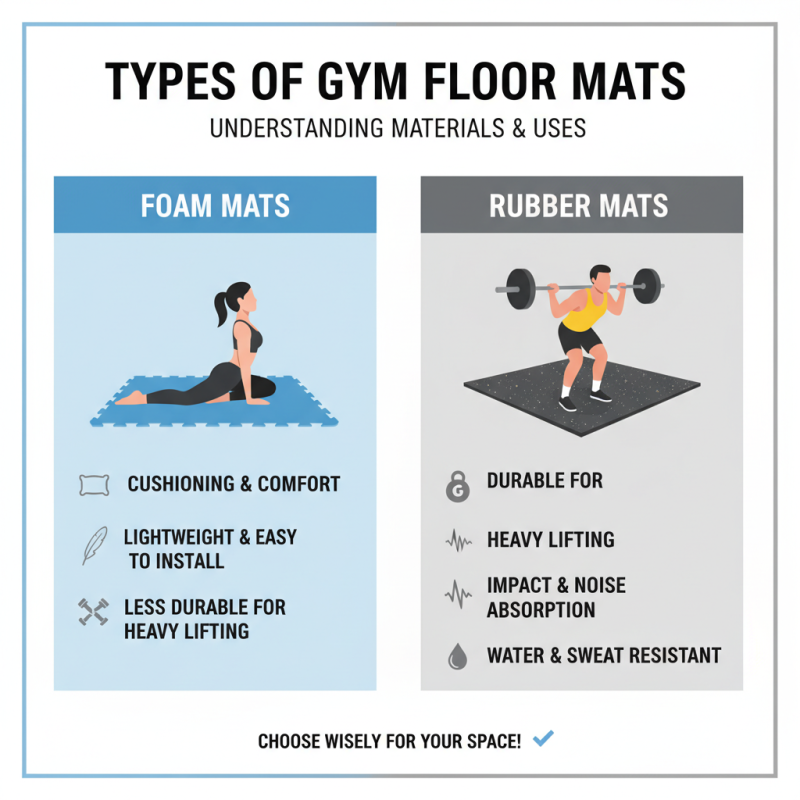
When setting up a home gym or studio, choosing the right floor mats is crucial. Various materials cater to different needs, offering unique benefits. Foam mats are popular for their cushioning. They provide comfort during floor exercises. Additionally, they are lightweight and easy to install. However, they may lack durability for heavy lifting.
Rubber mats, on the other hand, excel in durability and traction. They resist wear and tear, making them ideal for weightlifting and high-impact workouts. Their non-slip surface enhances safety. Yet, rubber can be quite heavy, making setup more challenging. For those into yoga or Pilates, vinyl mats offer a seamless, easy-to-clean option. They maintain grip and provide a stable surface, but might not offer the same cushioning.
Consider the specific activities you'll engage in. Each type of mat has its pros and cons. You might find some mats too soft or others too firm for your taste. Reflecting on your workouts can help you choose better. Your preference plays a significant role in creating a productive space.
Factors to Consider When Choosing Gym Floor Mats for Home or Studio
Choosing the right gym floor mats for your home or studio is essential. Several factors contribute to a good selection. The type of workout you plan to do is crucial. Are you lifting weights or practicing yoga? Each activity requires different support and cushioning.
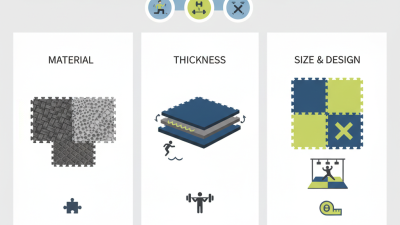
Thickness is key. Thicker mats provide better shock absorption, ideal for high-impact exercises. Yet, overly thick mats can be unstable for balance-focused routines. Material also impacts performance. Rubber mats are durable and easy to clean. Foam mats offer comfort but might wear down faster. You must weigh the pros and cons carefully.
Finally, consider the mat's size and aesthetic. Will it fit your space comfortably? Does it match the decor? Sometimes, practicality might overshadow the visual appeal. Remember, a mat that looks good but doesn't fulfill your needs can lead to frustration. The right choice enhances your workout experience and overall satisfaction.
Best Gym Floor Mats for Your Home or Studio Needs
| Material |
Thickness |
Size Options |
Best For |
Price Range |
| PVC |
1/4 inch |
4x6 ft, 6x8 ft |
Home Gym, Yoga |
$30 - $60 |
| Rubber |
1/2 inch |
4x10 ft, 6x12 ft |
Weightlifting, HIIT |
$60 - $120 |
| Foam |
3/8 inch |
5x5 ft, 3x6 ft |
Children’s Play Area, Yoga |
$20 - $50 |
| Carpet Tiles |
1 inch |
2x2 ft |
Studio, Dance |
$50 - $100 |
Top Brands and Products: A Review of the Best Gym Floor Mats Available
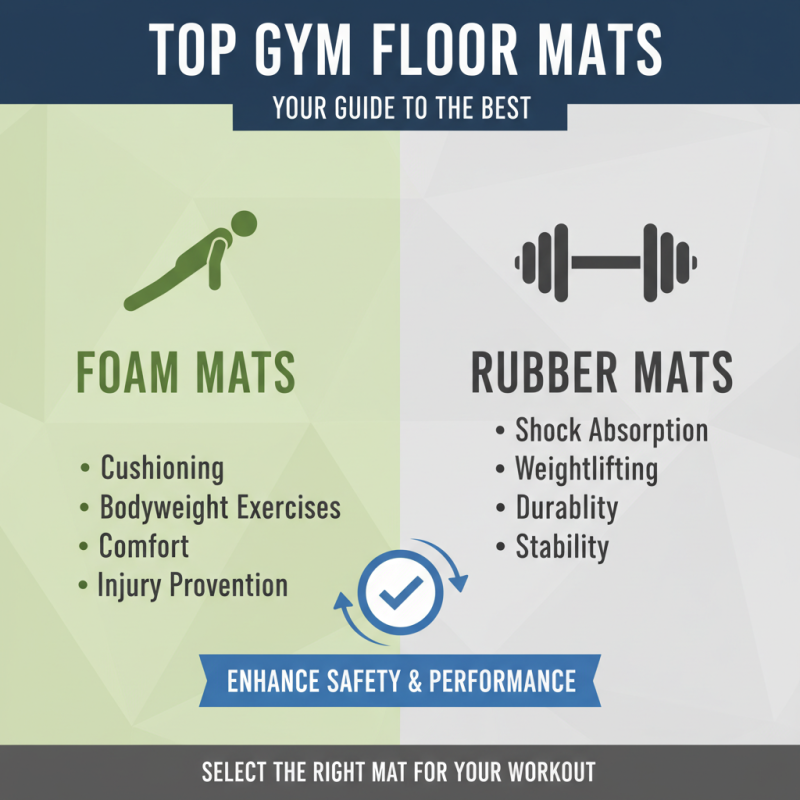
When selecting gym floor mats for your home or studio, it's important to consider various factors. The material plays a crucial role in durability and comfort. For instance, foam mats provide cushioning for bodyweight exercises, while rubber mats offer excellent shock absorption. Both options help prevent injuries and enhance stability.
Beyond material, thickness and density are also vital. Thicker mats can better absorb impacts, making them ideal for high-intensity workouts. However, they may also restrict movement. Finding the right balance is essential. Additionally, some mats feature textured surfaces to prevent slipping, which is an aspect worth considering for safety.
User reviews are valuable for insights as they reflect real-life experiences. Many users have noted the importance of ease of cleaning. Mats that trap dirt or sweat can become breeding grounds for bacteria. Reflecting on various products can lead to better choices, enhancing your workout environment.
Maintenance and Care: How to Keep Your Gym Floor Mats in Great Condition
Maintaining gym floor mats is crucial for longevity and hygiene. Regular cleaning prevents the buildup of dirt and bacteria. According to industry reports, dirty mats can harbor up to 1,000 times more bacteria than a toilet seat. This highlights the necessity of proper maintenance.
For efficient cleaning, use a mild detergent with warm water. Avoid harsh chemicals that may degrade the mat material. A gentle scrub can remove grime without causing damage. Let mats air dry completely to prevent mold growth. Cleaning mats once a week is a good practice for home gym users.
**Tips:** Consider investing in a mat cleaner specifically designed for gym flooring. It can simplify your cleaning routine. When storing, roll up mats rather than folding them. This helps maintain their shape and performance over time. Regular inspections for tears or wear can prevent further damage. If you spot a problem, address it immediately. Ignoring small issues can lead to costly replacements.
Gym Floor Mats Maintenance and Care
Installation Tips: Best Practices for Setting Up Your Gym Floor Mats
When setting up gym floor mats, proper installation is crucial.
Start by measuring your space accurately. This step ensures that the mats fit perfectly without gaps.
It’s essential that every corner is covered to prevent accidents. You can use a utility knife to trim the mats if necessary.
Make sure to wear gloves for safety.
Before placing the mats, clean the floor thoroughly. Dust and debris can interfere with adhesion.
If the mats are interlocking, align them carefully to avoid uneven surfaces.
Even minor misalignments can lead to tripping hazards.
Pay attention to the edges; they should be flush against walls or other surfaces.
After installation, test the mats. Walk on them to ensure they feel stable.
If there are any noticeable bumps or gaps, you may need to adjust them.
Regular checks are necessary to maintain safety.
Over time, wear and tear can affect the mats' performance.
Be vigilant and replace any damaged sections promptly to ensure your workout area remains safe.