2026 Best Interlock Foam Mat for Global Buyers Guide?
In the rapidly evolving world of flooring solutions, the Interlock Foam Mat stands out as a versatile option for various applications. Experts in the field, such as Dr. Amelia Grant, a leading safety flooring consultant, mention, "Interlock Foam Mats provide essential comfort and safety for children and adults alike." This insight reflects the growing demand for these mats in homes, gyms, and play areas globally.
Today, buyers seek the best products to ensure quality and safety. The Interlock Foam Mat not only enhances comfort but also reduces the risk of injuries. Its interlocking design offers easy assembly and adaptability for different spaces. This feature is crucial for consumers looking for reliable flooring solutions.
However, it’s essential to approach the buying process with careful consideration. Not all mats meet safety standards or environmental guidelines. In a market flooded with options, finding the right Interlock Foam Mat requires diligence. Understanding the materials used and their impact on safety is vital. As buyers navigate this landscape, reflecting on personal needs and preferences can lead to a thoughtful purchase.
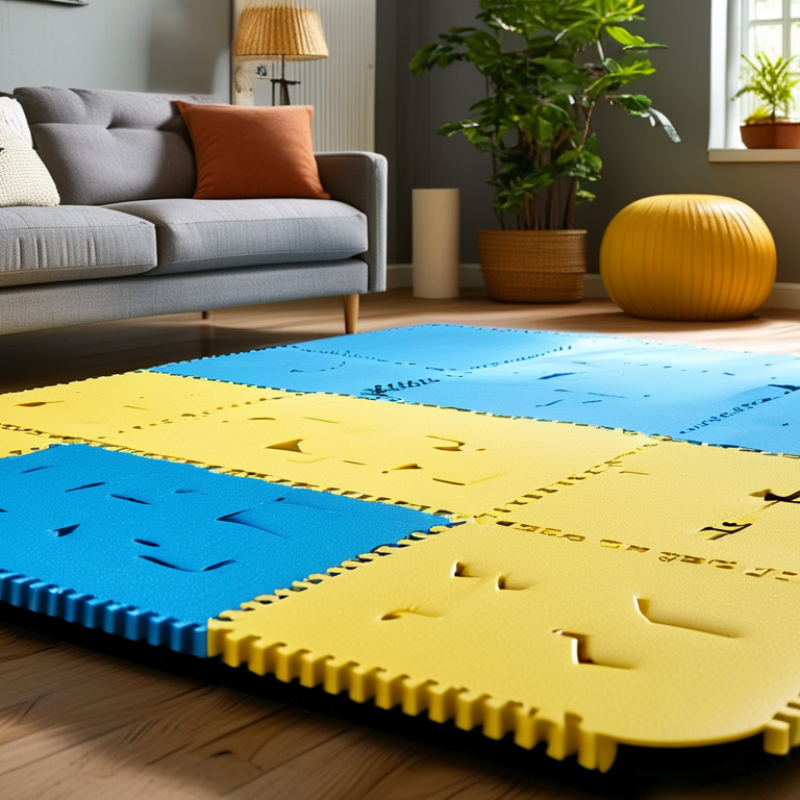
Overview of Interlock Foam Mats: Features and Benefits
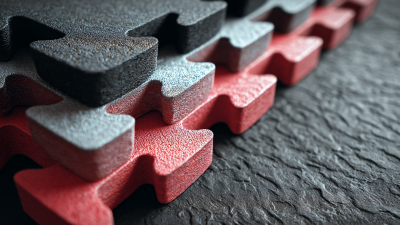
Interlock foam mats have surged in popularity among various global markets. They provide versatile benefits for users in fitness, play areas, and even industrial settings. A key feature is their ease of installation. With simple interlocking edges, users can quickly assemble or disassemble mats without specialized tools.
These mats are often made from high-density foam, enhancing durability. According to the International Sports Flooring Association, high-density mats can withstand heavy foot traffic, making them ideal for gyms and workout spaces. Additionally, interlock foam mats offer excellent shock absorption, minimizing the risk of injuries during physical activities. Reports indicate that properly cushioned surfaces can reduce impact by up to 30%.
Environmental concerns are also rising. Not all foam mats are made from recyclable materials. Some studies suggest that over 70% of foam products end up in landfills. Choosing eco-friendly options can mitigate this issue. Users should inquire about the material sourcing and recycling options available. Ultimately, understanding the features and potential drawbacks of interlock foam mats will lead to more informed purchasing decisions.
Types of Interlock Foam Mats: Usage and Applications
Interlock foam mats offer versatility in various settings. These mats are commonly used in playrooms, gyms, and even outdoor spaces. They provide cushioning, safety, and durability. Parents often choose these mats for their children's play areas. The soft surface reduces the risk of injury during falls. In gyms, these mats help to absorb shock during workouts. They promote a safe environment for exercise.
Different types of interlock foam mats vary in density and texture. High-density options are great for heavy equipment. Thinner mats work well for light-use areas. Some mats are designed with unique patterns to enhance grip. This can be beneficial in yoga or martial arts studios. However, not all mats are created equal. Some may wear out quicker than expected. Users should consider their specific needs before purchasing.
Installation is relatively easy, but care is needed. Ensure the surface is clean and dry for proper adhesion. Over time, interlock seams might loosen. Regular inspection can prevent hazards. Users should keep in mind that cleanliness also affects durability. Stains and spills should be cleaned promptly to maintain their appearance.
Key Factors to Consider When Choosing Interlock Foam Mats
Interlock foam mats are popular for various uses, from home gyms to play areas for children. When choosing the right mat, a few key factors come into play.
Thickness matters. Thicker mats provide more cushioning but may be heavier and harder to store. Balance is essential. Consider the space where you will use the mats. For small areas, think about lighter, thinner options. Measure your space before purchasing.
Material is crucial too. EVA foam is common for its durability. However, it may off-gas and have a strong smell initially. If this concerns you, seek mats labeled as low VOC.
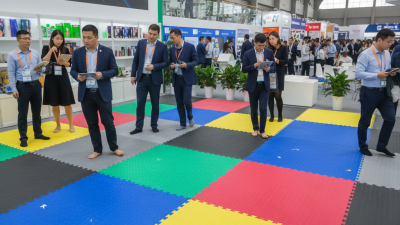
Tip: Always test a small area before full installation. This helps assess comfort and safety. Patterns and colors can enhance a room's aesthetic. Choose ones that inspire you.
Don’t overlook maintenance. Some mats might be easy to clean, while others require more effort. Reflect on your lifestyle. If you have pets, opt for mats that resist staining and wear. Always aim for quality over price to ensure long-term satisfaction.
2026 Best Interlock Foam Mat for Global Buyers Guide
| Feature |
Description |
Importance Level |
Price Range (USD) |
| Material Quality |
High-density EVA foam is preferred for durability and comfort. |
High |
$20 - $50 |
| Thickness |
A thickness of 1 inch is ideal for support and cushioning. |
Medium |
$25 - $60 |
| Surface Texture |
Non-slip surfaces enhance safety during workouts. |
High |
$15 - $40 |
| Ease of Cleaning |
Water-resistant materials facilitate easy maintenance. |
Medium |
$10 - $35 |
| Interlocking Design |
Interlocking edges ensure seamless installation and stability. |
High |
$30 - $70 |
| Color Options |
Variety of colors available for customization and aesthetics. |
Low |
$15 - $45 |
| Weight Capacity |
Should support heavy weights for various activities. |
High |
$25 - $55 |
Top Brands and Models of Interlock Foam Mats for 2026
Choosing the right interlock foam mat can significantly enhance your space. For 2026, several key brands stand out. These mats are not only durable but also provide excellent cushioning. They come in various thicknesses and colors, catering to different needs. Some models feature unique textures, which can improve traction. Size options are also versatile, making them suitable for various environments.
When selecting a foam mat, consider the intended use. Some mats are better for children, offering softer surfaces. Others may be more suited for fitness activities, providing sturdiness and support. Pay attention to the material used. High-quality foam can resist wear and tear, enhancing longevity.
Tips: Always check for non-toxic materials, especially for children's areas. Explore user reviews for authentic experiences. This can help you avoid common pitfalls, like mats that may be too thin or hard. Think about maintenance as well; some mats are easier to clean than others. A well-informed choice can save you time and money in the long run.
Care and Maintenance Tips for Interlock Foam Mats
Interlock foam mats are popular for many applications, including gyms, playrooms, and exercise areas. Proper care and maintenance extend their life and preserve their quality. According to the International Association for Sports and Fitness Facilities, mats can last up to five years with proper upkeep.
Regular cleaning is essential. Use a mild soap solution and warm water to wipe down the surface. Avoid bleach or harsh chemicals, as they can damage the material. Frequency matters; clean mats at least once a week. For high-traffic areas, consider cleaning them after each use. This helps prevent dirt buildup and maintains hygiene.
Inspect the mats frequently for any signs of wear, such as dents or tears. Over time, interlock mats may shift or separate. Re-align them periodically to prevent tripping hazards. A report by the National Safety Council highlights that slippery surfaces cause many accidents. Keeping mats clean and well-maintained can significantly reduce these risks.