2026 Best Interlock Foam Mat for Home and Gym Use?
When it comes to choosing the right flooring for home and gym use, the "Interlock Foam Mat" stands out as a popular choice. Renowned fitness expert Dr. Lisa Harper emphasizes, “Quality flooring can transform your workout experience.” Her insights highlight the importance of durable and safe mats.
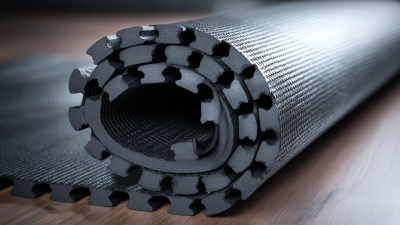
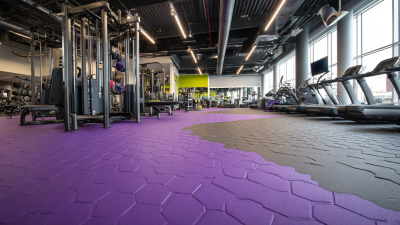
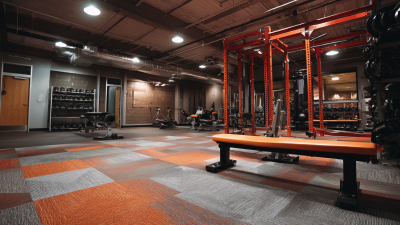
Interlock Foam Mats are versatile and easy to install. They provide a cushioned surface that reduces the impact on joints, making them ideal for exercises such as yoga, weightlifting, and children’s play areas. These mats come in various thicknesses, colors, and materials, allowing for customization based on specific needs. However, not all interlock mats offer the same level of quality. Some may wear out quickly or lack proper grip.
Considering the best options for 2026, it's essential to review materials and user experiences. While a lower price may seem attractive, investing in quality ensures safety and longevity. There is a noticeable gap between budget mats and high-end options. Users often reflect on their choice, wishing they had opted for better quality. This makes understanding the best interlock foam mat vital for both fitness and safety.

Overview of Interlock Foam Mats: Features and Benefits
Interlock foam mats provide a versatile solution for both home and gym environments. Their design allows them to fit together seamlessly, creating a stable surface for various activities. These mats are beneficial for exercise routines, children's play areas, and even as flooring in workshops. They come in different sizes, colors, and densities to suit your needs. A thicker mat offers more cushioning but can make it difficult to maintain balance for certain workouts.
Key features of these mats include shock absorption, easy installation, and easy cleaning. Shock absorption helps reduce the risk of injuries during intense workouts. Easy installation means you can set up a gym space quickly without tools. They are also water-resistant, making cleaning a breeze. However, the quality can vary widely. Some mats may wear down faster than expected, especially under heavy use. It’s essential to assess usage before making a purchase.
A potential drawback is their thermal insulation. In colder environments, these mats can feel chilly on bare feet. The interlocking design, while convenient, may also trap debris, requiring regular sweeping. Users often report that the edges can lift over time with frequent heavy use. Ensuring you choose mats suited to your specific activities can help avoid these issues.
Key Factors to Consider When Choosing Foam Mats
Choosing the right interlock foam mats for your home or gym can impact your training and comfort. One critical factor is thickness. Thicker mats provide better cushioning, especially for high-impact activities. However, too much thickness may make stability a concern during exercises like weightlifting.
Material also matters. Look for high-density foam as it provides durability and support. Some mats have a textured surface to enhance grip. This can be beneficial for workouts that involve a lot of movement. Beware of lower-quality materials that may wear out quickly.
**Tips:** Always check reviews from users who have had similar needs. They can provide insights that specifications might not reveal. Test mats in-store if possible. Feeling the mat can help you assess comfort and support. Balance is key; you want enough cushioning without compromising stability.
2026 Best Interlock Foam Mat Analysis
Top Brands for Interlock Foam Mats in 2026
When it comes to choosing interlock foam mats for home and gym use, several brands stand out in 2026. According to a recent industry report by Market Research Future, the interlocking foam mat market is projected to grow at a CAGR of 6.5% from 2021 to 2026. This growth reflects an increasing demand for versatile flooring solutions that prioritize safety and comfort.
Top-performing brands have begun utilizing advanced materials to enhance durability and ease of cleaning. The choice of mat thickness varies significantly; thicker mats often offer more cushioning, ideal for high-impact workouts. Many fitness experts recommend mats with a density of at least 1 inch for optimal support.
Interestingly, 30% of users report dissatisfaction with their mats’ wear and tear, highlighting the importance of selecting quality over price.
Community feedback often points out that some mats can be impractical for heavy cardio workouts. Slippage occurs with lower-quality options, posing safety risks. In contrast, premium interlock foam mats provide better grip and stability. This disparity emphasizes the need for users to carefully consider their workout intensity and personal safety when choosing mats. The best mats balance comfort and functionality, reducing the risk of accidents during exercise.
Comparison of Foam Mat Materials and Durability
When choosing the best interlock foam mat for your home and gym, understanding material and durability is crucial. Foam mats vary widely. The most common materials are EVA, PE, and rubber. Each has unique properties that influence performance and longevity.
EVA foam, for instance, is lightweight and water-resistant, making it ideal for home use. However, it can wear down quickly under heavy gym equipment.
In contrast, rubber mats are known for their durability. They can withstand intense workouts and heavy foot traffic. Yet, they can be heavier and more expensive. PE foam offers a middle ground. It is reasonably durable and often less costly, but it may not endure the same rigorous conditions as rubber.
Users often overlook the importance of density. A denser mat often provides better shock absorption. You might find yourself regretting a lighter mat after a few months of use.
Consider maintenance as well. Some mats are easy to clean, while others may stain easily. This can affect longevity and appearance. Color fading and scuff marks can be discouraging. It’s essential to ask whether a mat meets your specific needs.
Assess your workouts and environment thoroughly. Choosing the right material can significantly impact your gym experience. It’s worth taking the time to reflect on these aspects before making a purchase.
Maintenance and Care Tips for Long-Lasting Foam Mats
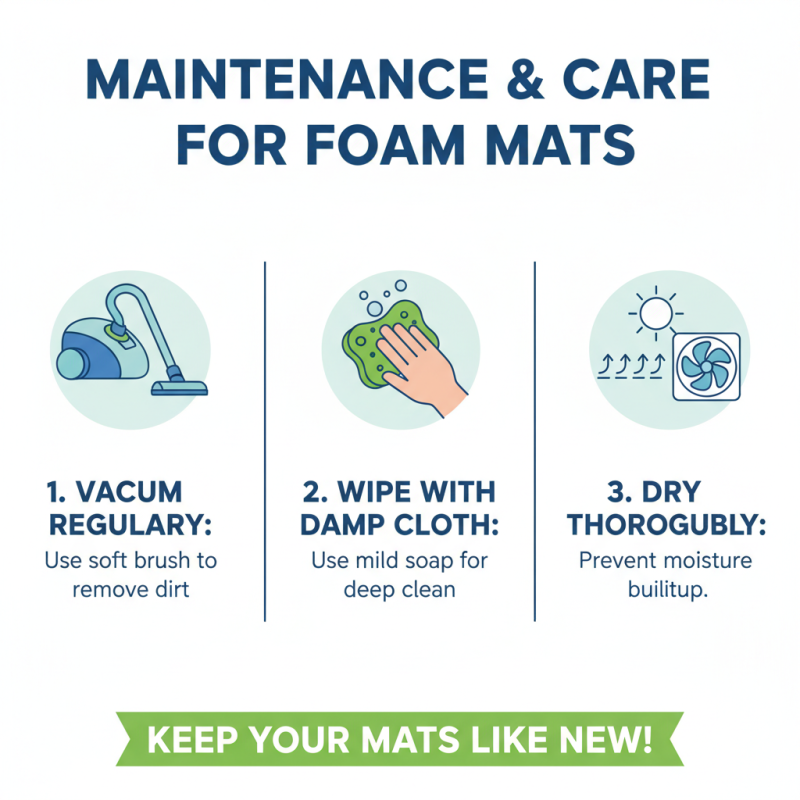
To keep your interlock foam mats in top condition, regular maintenance is essential. Start by vacuuming them frequently. This helps remove dirt and dust that can accumulate over time. Using a soft brush attachment can gently clear debris without damaging the mat's surface. After vacuuming, a damp cloth with mild soap can be used for deeper cleaning. Make sure to thoroughly dry the mats afterwards to prevent moisture buildup.
When it comes to longer-lasting mats, consider their placement. Avoid direct sunlight, as it can lead to fading. Placing mats in areas with low foot traffic can also minimize wear. Rotating the mats periodically can help distribute use evenly. Some mats might develop indentations over time, especially under heavy equipment. Flipping them occasionally can help avoid permanent marks.
Inspecting your mat regularly is vital. Look for signs of wear or damage. Small tears can be patched with appropriate adhesive, but deeper cuts might require replacement. While it’s easy to overlook these minor issues, addressing them promptly can prolong the life of your mats. Keeping a routine check ensures you maintain both their appearance and functionality.