Top 10 Play Mats for Your Baby's Safe and Fun Playtime?
When it comes to choosing the best play mat for your baby, safety and fun are key. Renowned child development expert Dr. Emily Parker emphasizes, "A good play mat is not just soft; it should stimulate exploration." This insight highlights the importance of selecting a play mat that encourages sensory engagement and discovery.
Play mats come in various sizes and designs, each tailored to different stages of your baby's growth. A colorful mat can inspire creativity, while a textured surface can promote tactile exploration. However, not all mats are created equal. Some may lack safety features, such as non-toxic materials or non-slip surfaces. Parents must carefully assess these aspects to ensure a secure play environment.
In the market flooded with options, it's easy to feel overwhelmed. You might wonder if a more expensive mat truly offers better quality. Balancing cost with safety can be challenging. It's vital to consider both your baby's needs and your budget. Remember, a play mat should provide a safe space for your little one to learn and grow.
Importance of Choosing the Right Play Mat for Babies
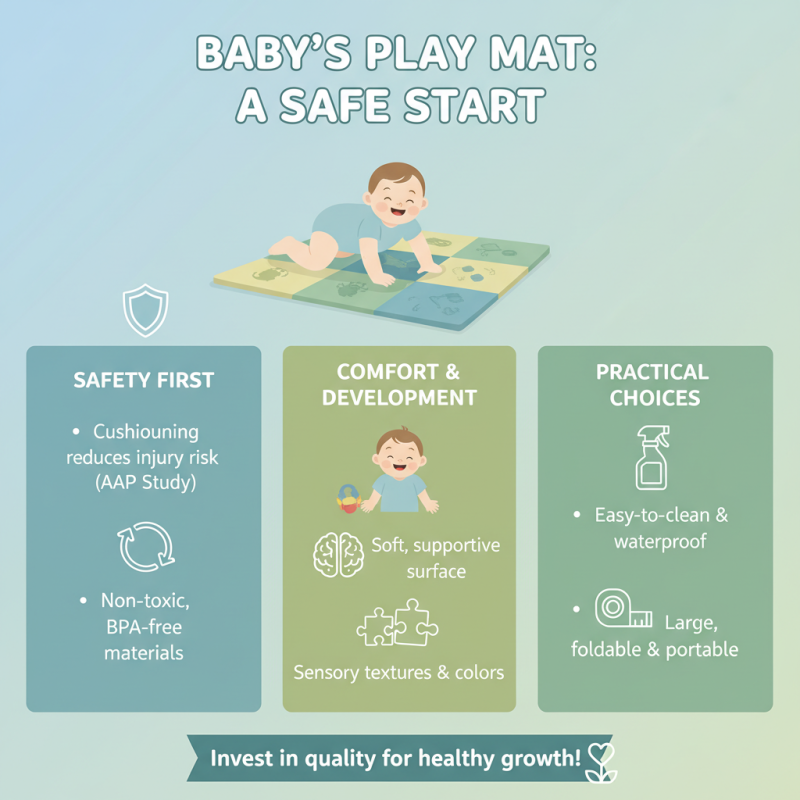
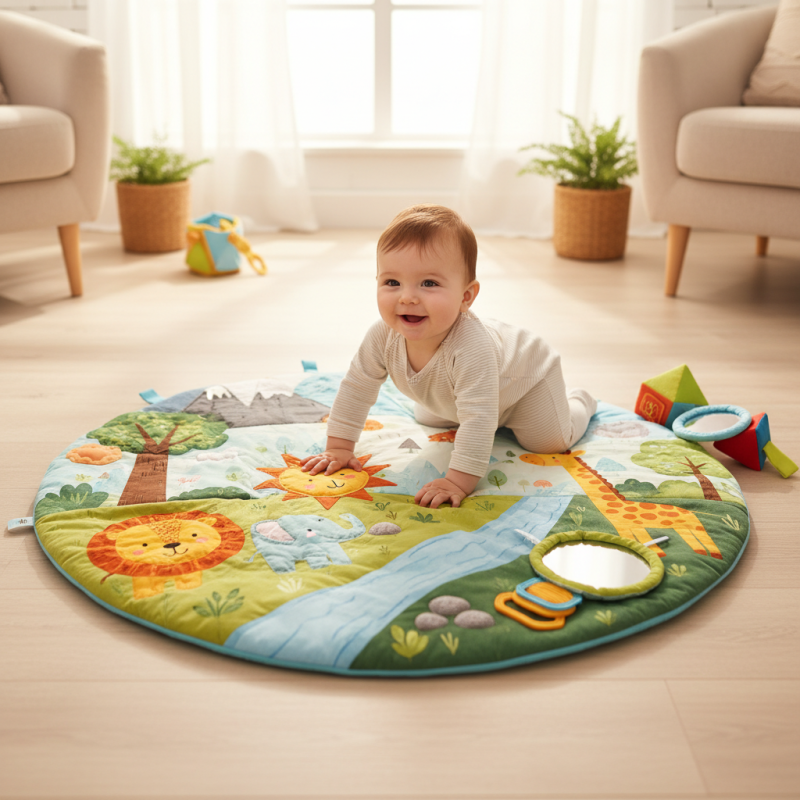
Choosing the right play mat for your baby is crucial. A study by the American Academy of Pediatrics emphasizes that proper play surfaces can help reduce the risk of injuries. Babies spend a significant amount of time on their play mats. A safe and comfortable surface can enhance their development.
The materials used in play mats matter greatly. Many mats come with various textures and colors to stimulate a baby’s senses. However, not all mats are made equal. Some could contain harmful chemicals, which may be unsafe for your little one. Inspecting the labels and choosing non-toxic options is vital. Soft, cushioned surfaces promote crawling and help in muscle development.
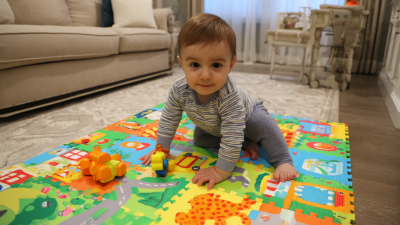
Size also plays a role in safety. A larger mat can accommodate more movement. This encourages freedom to explore, which is essential in early development. On the other hand, oversized mats can take up significant space in small rooms. Balancing safety and practicality is an ongoing challenge for many parents. A good play mat is not just about fun; it’s about providing a secure environment for growth.
Top Features to Look for in Baby Play Mats
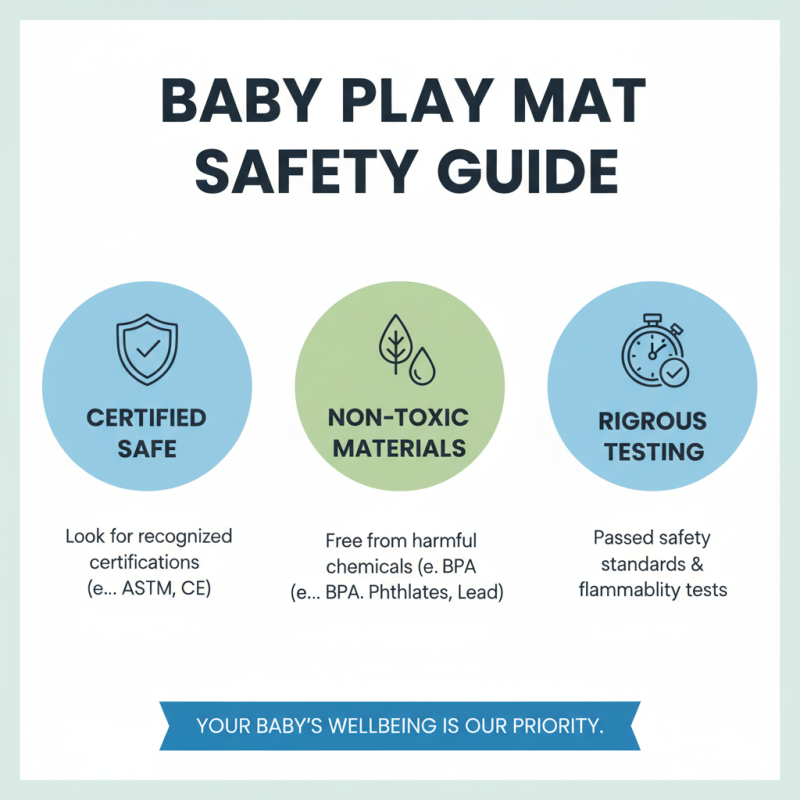
When selecting a baby play mat, safety should be your top priority. Look for mats made with non-toxic, BPA-free materials. They should be free of harmful chemicals. A good thickness is essential to cushion falls. Soft edges can prevent accidents as your baby rolls and crawls.
Another vital feature is the surface texture. Some mats offer a cushy feel, perfect for tummy time. Additional designs can stimulate your baby’s senses. Bright colors or patterns can capture their attention. Washing ease also matters. Some mats are machine washable, while others require spot cleaning. Having a clean surface is crucial for a happy playtime.
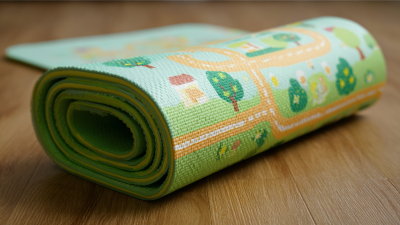
Consider portability as well. Lightweight mats are fantastic for taking on trips. You might need something easy to fold away. But keep in mind, durability is key. Thick mats can withstand daily use, even with older siblings around. Not all mats stand up to rigorous play. So, choose wisely. Your baby’s fun should not come with a safety sacrifice.
Top 10 Play Mats for Your Baby's Safe and Fun Playtime
| Play Mat Name |
Material |
Size |
Safety Features |
Design |
| Play Mat A |
Foam |
60" x 60" |
Non-toxic, BPA-free |
Colorful Animals |
| Play Mat B |
Cotton |
48" x 48" |
Washable, hypoallergenic |
Neutral Patterns |
| Play Mat C |
PVC |
70" x 40" |
Water-resistant |
Cityscape |
| Play Mat D |
EVA Foam |
60" x 60" |
Non-slip, shock-absorbent |
Geometric Shapes |
| Play Mat E |
Memory Foam |
70" x 70" |
Soft edge, toxic-free |
Underwater Theme |
| Play Mat F |
Felting |
50" x 50" |
Flame-retardant |
Rainbow Colors |
| Play Mat G |
Woven Cotton |
56" x 36" |
Eco-friendly, machine washable |
Floral Design |
| Play Mat H |
Thermoplastic Rubber |
80" x 60" |
Anti-bacterial, non-toxic |
Animal Kingdom |
| Play Mat I |
Recycled Materials |
66" x 48" |
Sustainable, soft |
Abstract Art |
| Play Mat J |
Biodegradable Foam |
60" x 60" |
Chemical-free |
Seasonal Themes |
Types of Play Mats: Materials and Designs Explained
When choosing a play mat for your baby, material and design are crucial factors.
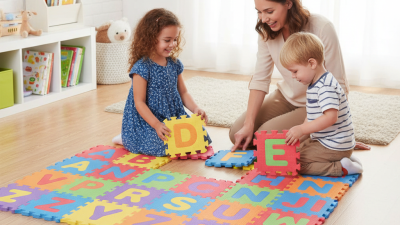
Soft foam mats provide cushioning for little ones. These mats can absorb impact when babies fall. They often come in vibrant colors and engaging patterns. Some include textures that stimulate sensory exploration. However, keep an eye on the materials used. Not all foam is safe, and some may emit harmful chemicals.
Cotton play mats are another popular option. They are naturally soft and easy to clean. Many cotton mats feature adorable designs that fit any nursery theme. However, they may not provide as much cushioning as foam.
Parents should consider this trade-off.
Additionally, some mats are foldable or have portable designs. This makes them convenient for travel. Yet, durability can be an issue with these designs.
Lastly, interactive play mats can enhance playtime.
These mats often come with toys or attachable elements. They can encourage babies to reach and crawl. However, they can be overwhelming with too many features. Sometimes, simplicity is key for focused play. Each type of mat has its pros and cons. Reflecting on what suits your baby's needs can guide your choice.
Tips for Maintaining and Cleaning Your Baby's Play Mat
Maintaining a clean play mat is essential for your baby's safety. Regular cleaning helps remove germs and allergens. Start by checking the manufacturer's care instructions. Most mats can be wiped down with a damp cloth. Use mild soap to clean stubborn spots. It's best to avoid harsh chemicals.
For deeper cleaning, immersion is an option. Submerge smaller mats in warm water with detergent. Rinse thoroughly to avoid residue. Drying is crucial; air-drying is often best. A wet mat can harbor mold. Inspect the mat occasionally for wear. Torn edges can pose a danger.
Sometimes, messy play is inevitable. Crumbs and spills happen, and that’s okay. Just keep on top of the cleaning. Maintenance doesn’t need to be perfect. The goal is safety and fun for your baby. So, embrace a bit of chaos now and then.
Top 10 Play Mats for Your Baby's Safe and Fun Playtime