Top 10 Foam Mats for Home Gym Flooring and Play Areas You Need to Know
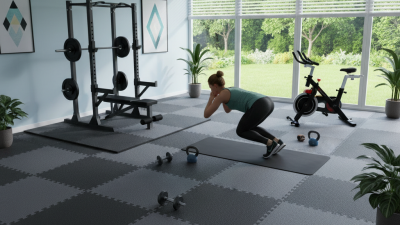
In recent years, the demand for Foam Mats in home gym flooring and children's play areas has surged significantly. According to a report by Research and Markets, the global foam mat industry is projected to grow at a CAGR of 5.4% from 2021 to 2026, driven by the increasing focus on fitness and the rising trend of home workouts. These mats provide not only comfort and support but also safety, making them essential for varied activities from vigorous workouts to playful interactions.
Expert in the foam product industry, Dr. Emily Carter, notes that "Foam Mats serve as a versatile solution for both fitness enthusiasts and parents alike, enhancing safety and performance in various environments." This dual functionality is crucial in today's fast-paced world where individuals seek efficient solutions to maintain active lifestyles within the comfort of their homes. The following discussion will explore the top 10 Foam Mats that are perfect for home gym flooring and versatile play areas, highlighting their features and benefits essential for informed purchasing decisions.

Benefits of Using Foam Mats for Home Gyms and Play Areas
Foam mats are an excellent choice for home gym flooring and play areas, providing a multitude of benefits that enhance both safety and comfort.
One of the primary advantages of using foam mats is their ability to absorb impact. This is particularly important in spaces where children play or where users engage in exercise routines that involve jumps and falls.
The cushioning effect of foam mats helps to reduce the risk of injury by providing a soft landing surface, making them ideal for both high-energy activities and gentle movements such as yoga and stretching.
In addition to safety, foam mats also contribute to noise reduction, which is a significant consideration in multi-use spaces.
The sound-absorbing qualities of foam minimize the noise from movements, preventing disruption in households where peace and quiet may be necessary.
Furthermore, foam mats are often designed to be easy to clean and maintain, making them practical for home environments.
Their lightweight nature allows for flexibility in arrangement, enabling users to adapt their workout or play area according to specific needs.
These multifaceted advantages make foam mats a valuable addition to any home gym or play area.
Key Features to Look for in Foam Mats
When searching for the perfect foam mats for your home gym or play area, several key features should be considered to ensure you make an informed choice.
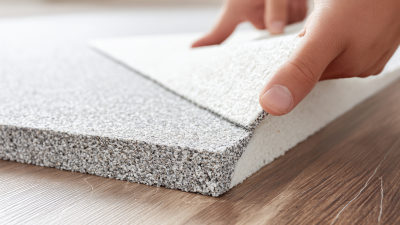
First and foremost, thickness is essential; mats typically range from half an inch to one inch in thickness. Thicker mats provide better cushioning and shock absorption, which is crucial for high-impact activities, while thinner options may be suitable for exercising or light activities.
Additionally, the density of the foam dictates its durability and firmness, making it an important factor to assess based on your specific needs.
Another vital attribute to look for in foam mats is their surface texture. Mats with a non-slip surface are advantageous, as they enhance stability during workouts and reduce the risk of falls, especially in high-energy environments.
Moreover, water resistance is an important feature, particularly for those using mats in areas prone to spills or moisture. Easy maintenance is also a priority; mats that can be easily wiped clean or are machine washable will help maintain hygiene and prolong the lifespan of the product.
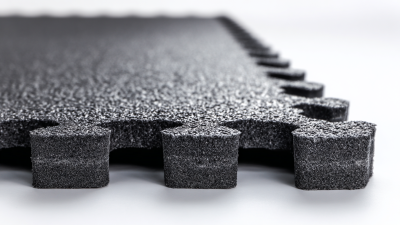
Lastly, consider interlocking designs that allow for customizable configurations, making it easier to adapt to different spaces and activities.
Top 10 Recommendations for Foam Mats
When considering foam mats for home gym flooring and play areas, it's essential to evaluate options that provide both comfort and safety. Recent industry reports highlight that exercise-related injuries can be significantly reduced with appropriate flooring solutions, leading to a growing demand for high-quality foam mats. According to a 2023 market analysis, the global foam flooring market is projected to grow by 5.9% annually, emphasizing the importance of reliable and versatile products in homes and recreational spaces.
The ideal foam mats must combine durability, shock absorption, and ease of maintenance. Statistics show that over 80% of fitness enthusiasts prioritize safety and comfort when selecting home gym flooring, which reinforces the need for products that offer excellent cushioning and grip. Additionally, many families seek foam mats that are easy to clean and resistant to moisture, particularly in environments used for both exercise and play. Thus, understanding the diversity of foam mat options, including interlocking, roll-out, and puzzle styles, allows consumers to make informed choices that meet their specific needs and preferences.
Choosing the right foam mat goes beyond mere aesthetics. Research indicates that investing in quality flooring can enhance performance by providing better footing and reducing fatigue during workouts. For children's play areas, safe and engaging environments are crucial, making the selection of versatile foam mats even more pertinent. With a variety of textures and thicknesses available, consumers can tailor their choices to both functional needs and aesthetic desires, ensuring their spaces are both practical and enjoyable.
Comparison of Foam Mats: Materials and Durability
When selecting foam mats for home gym flooring and play areas, the materials used and their durability stand out as critical factors in ensuring a safe and enjoyable environment. Research indicates that high-density EVA (ethylene-vinyl acetate) foam is among the most recommended materials due to its excellent shock absorption and resilience. In fact, studies show that foam mats made from EVA can reduce the impact of falls by up to 30%, making them a popular choice for gyms and children's play areas alike.
Durability is another vital aspect to consider. According to a report by the International Journal of Materials Science, quality foam mats can endure extensive use without significant wear, retaining their structural integrity for several years. For instance, interlocking foam tiles typically sustain a compression set below 10%, meaning they recover well after repeated use while maintaining their shape. This is essential not only for performance but also for long-term investment, as mats that wear out quickly can lead to increased costs in replacements. Therefore, when making a choice, evaluating the materials and their durability can significantly impact the overall functionality and lifespan of foam mats in both fitness and play areas.
Maintenance Tips for Foam Mats in Home Environments
When it comes to maintaining foam mats in home environments, proper care is essential to extend their lifespan and ensure they remain hygienic. Regular cleaning is the first step. Use a mild detergent mixed with warm water to gently scrub the mats, and avoid harsh chemicals that can degrade the foam material. For everyday maintenance, simply wiping down the mats with a damp cloth can help remove dust and dirt, keeping them looking fresh.
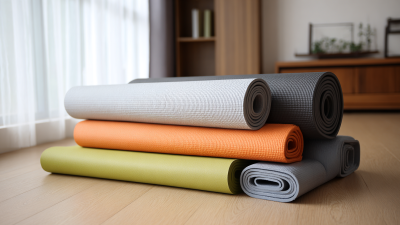
Additionally, it’s crucial to allow foam mats to dry completely after cleaning to prevent mold and mildew growth. If your mats are used in high-traffic areas or play zones for children, consider vacuuming them regularly to pick up crumbs and debris. In terms of storage, avoid folding or bending the mats as this may cause creases or damage to the foam's structure. Instead, roll them up when not in use, which helps maintain their integrity and ensures they are ready for your next workout or play session.