What Are the Top 10 Types of Play Mats?
Choosing a Play Mat is not as simple as picking the brightest design. Families use mats for tummy time, crawling, exercise, travel, and quiet play. Each purpose demands different support, thickness, texture, and maintenance.
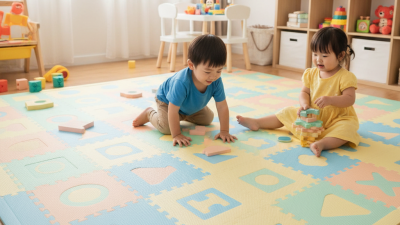
This guide explores the top 10 types of play mats and explains where each one performs best. Foam tiles can cover large floors and replace damaged sections easily. Folding mats offer quick storage for small rooms. Baby gym mats add arches, toys, and sensory features for early development. Waterproof mats help manage milk spills, paint, and muddy shoes. Fabric mats feel warm and portable, although they may hold stains longer. Rubber mats provide firm cushioning for active play, but their smell can be unpleasant at first.
We will also consider puzzle mats, road-pattern mats, wooden activity mats, outdoor mats, and Montessori-inspired designs. Material quality matters. Look for secure edges, balanced cushioning, and surfaces that clean without harsh effort. A softer mat is not always safer, especially when children need stable footing. Some trade-offs remain.
In practice, the best choice depends on a child’s age, movement, room size, and daily routine. A thick mat may protect knees, yet create a tripping risk near furniture. A lightweight mat travels well, but it may slide on smooth floors. These details are easy to overlook. This comparison aims to provide practical guidance, while recognizing that product labels, testing standards, and individual needs can differ.
Definition and Main Functions of Play Mats
What Are the Top 10 Types of Play Mats?
Definition and Main Functions of Play Mats
A play mat is a padded surface designed for children to sit, crawl, roll, and explore. It creates a softer boundary between a child and a hard floor.
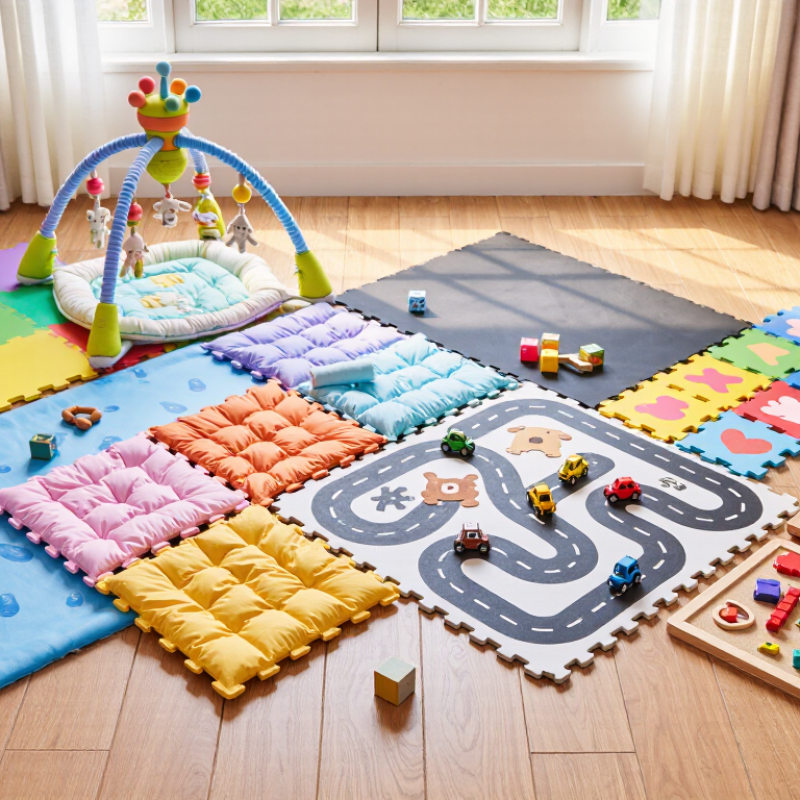
Common types include foam tiles, foldable mats, roll-up mats, puzzle mats, activity mats, sensory mats, rug-style mats, waterproof mats, outdoor mats, and travel mats. Each type supports play in a different setting.
The main function is cushioning. A thick mat can reduce discomfort during crawling and soften minor bumps. It also helps insulate children from cold floors. Waterproof surfaces make spilled milk, paint, or water easier to clean.
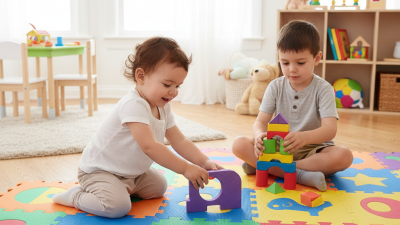
Some activity mats include textures, simple patterns, or movable features that encourage touch and early coordination. Puzzle pieces can make floor coverage flexible, but loose edges may become a nuisance.
Choosing and Using a Play Mat
A good play mat should stay flat and resist sliding. Check seams, corners, surface texture, and cleaning instructions before regular use. A strong smell after opening deserves attention. Ventilation may help, though it does not solve every material concern.
Mats also define a visible play area, which can help organize toys in a busy room. However, a mat cannot replace supervision or remove every household hazard. In practice, comfort, hygiene, storage space, and the child’s age must be considered together.
Key Materials Used in Different Play Mat Types
What Are the Top 10 Types of Play Mats?
Key Materials Used in Different Play Mat Types
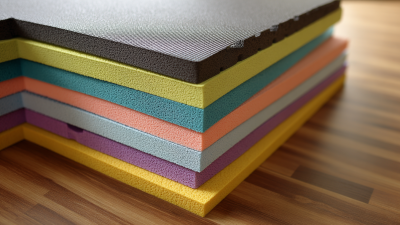
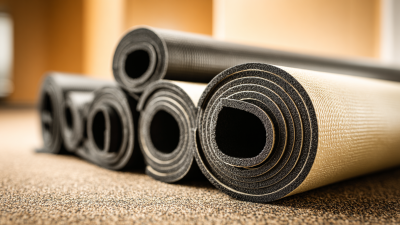
Play mats vary greatly because their materials serve different needs. Foam tile mats usually use EVA, a light material with shock absorption and easy cleaning. XPE foam mats feel firmer and often resist moisture better. Foldable and roll-up mats may combine foam with a waterproof fabric layer. PVC mats offer a smooth surface, but some families dislike their plastic feel. Rubber mats provide strong grip and durability, especially for active play.
Cotton and wool mats feel warm and comfortable in nurseries, though they can hold stains and moisture. Cork mats offer a natural texture and moderate cushioning. Outdoor mats often use woven polyester, PE, or coated fabric for better weather resistance. Sensory mats may include silicone, fabric, or textured foam sections. Activity mats commonly add padded fabric, printed panels, and detachable features.
I once chose softness over cleaning convenience. That decision was not ideal.
Tips: Check the material’s odor, edge finish, thickness, and cleaning instructions before buying. Press the mat on a hard floor and inspect whether it slides. For babies, avoid loose layers, peeling surfaces, and small detachable parts. A waterproof coating helps with spills, but it does not replace regular cleaning. Materials can also change with heat, sunlight, and repeated folding. No single mat works perfectly for every room, age, or play style.
How to Choose the Right Play Mat for Different Spaces
Choosing a play mat begins with the space, not the color. A nursery often suits a soft foam tile mat or a thick foldable mat. These options cushion crawling and reduce noise on hard floors. Check that the surface feels firm, not spongy. Excessively soft foam may feel comfortable but can make standing unstable.
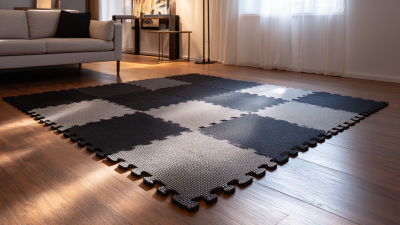
For a living room, a roll-up mat or reversible rug-style mat usually fits better. It can be stored behind a sofa when adults need more floor space. Choose a textured underside for polished wood or tile. In a small apartment, look for lightweight panels with tight, flat edges. Gaps collect crumbs quickly. They really do. A classroom or playroom needs a larger modular mat, because individual sections can be replaced after heavy use. However, more seams mean more cleaning.
Outdoor play requires a waterproof, UV-resistant mat with reliable grip. A thin picnic-style mat may work briefly, but it offers limited impact protection. For babies, inspect the mat every week for peeling surfaces, damaged corners, or small detachable pieces. Washable covers are useful, though “easy to clean” does not mean maintenance-free. Keep the mat away from heaters and let it air out after opening. Material labels matter, but they cannot replace physical inspection. My practical preference is a mat that folds easily, stays stable, and matches the child’s actual movement. Perfect choices are rare.