Interlocking Gym Mats Tips for Buying the Best Quality?
When selecting the best quality Interlocking Gym Mats, expert advice is invaluable. According to Joe Anderson, a renowned fitness equipment specialist, “The right mats can transform a space into a safe workout environment.” His insight highlights the crucial role of quality when choosing mats.
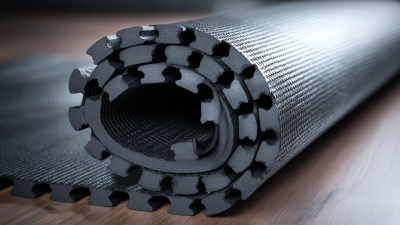
Interlocking Gym Mats offer versatility and safety, critical for any gym setup. They are designed to fit seamlessly together, providing a stable surface for various activities. However, not all mats are created equal. Some may wear down quickly or lack adequate cushioning. Attention to material and thickness is essential. Consider how often you’ll use the mats and in what capacity.
Pay attention to the manufacturer's details and customer reviews. Ignoring these aspects can result in disappointment. As many gym owners will tell you, a poor choice can lead to safety hazards and increased expenses if replacements are needed. Evaluate your options carefully to ensure a wise investment.

Understanding Interlocking Gym Mats: Key Features to Consider
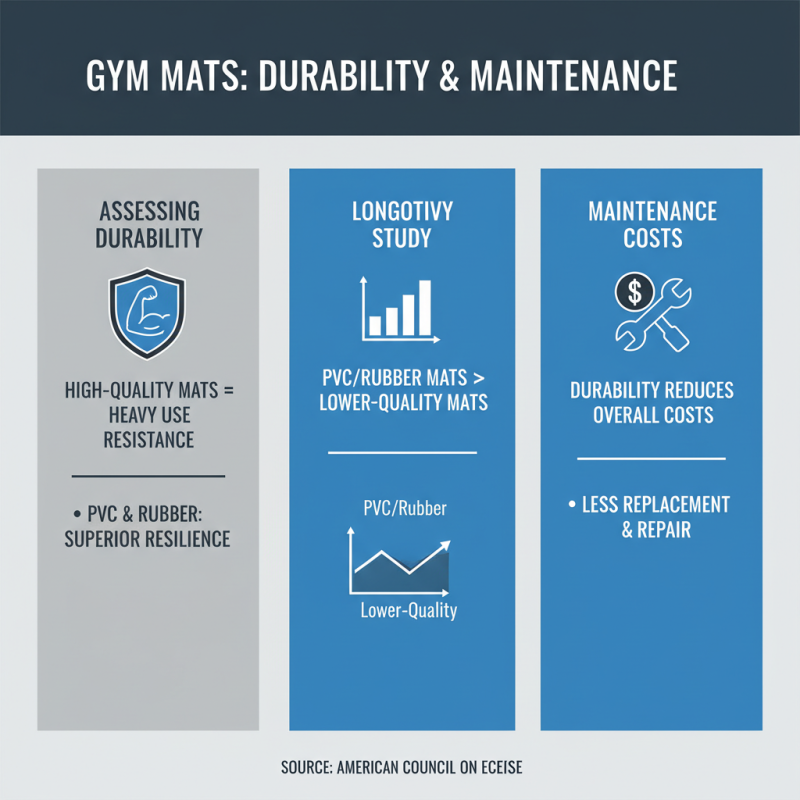
When considering interlocking gym mats, key features play a crucial role in selection. Material is foundational. Most mats are made from foam or rubber. Foam mats offer cushioning for comfort, while rubber ensures durability. Think about your usage. Will the mats face heavy weights or high-impact activities? Your choice should reflect this need.
Next, thickness matters. Thicker mats provide more shock absorption, beneficial for activities like aerobics. However, they can feel bulky, which may affect stability during workouts. It's also wise to consider the mat's texture. A non-slip surface enhances safety during exercises. Visual appeal shouldn't be overlooked either; colors and designs can motivate users.
Lastly, think about maintenance and portability. High-quality mats should be easy to clean. If you move them often, lightweight options are ideal. Take note of how they interlock. A secure fit ensures stability and reduces risks. Reflect on your environment. Will the mats be used in a home gym, or a commercial space? Your answers will guide your choice.
Material Options for Interlocking Gym Mats: Pros and Cons
When it comes to interlocking gym mats, understanding material options is crucial.
Different materials offer varying benefits and drawbacks.
Foam mats are popular for their cushioning qualities.
They provide comfort during workouts but may not endure heavy equipment well.
Rubber mats, however, are highly durable and resilient.
They resist wear and tear effectively but can be heavier and more challenging to install.
Another option is vinyl mats, which are easy to clean and maintain.
They are often used in multi-purpose spaces. However, they might not provide enough shock absorption for high-impact exercises.
Consideration of these materials leads to informed choices.
Take note that your specific needs will influence which material is best for you.
Size and thickness play roles in mat performance, too.
Thicker mats offer softer landings, while thinner mats may feel firmer but are easier to manage.
You might find yourself balancing comfort with practicality. Reflecting on these aspects helps ensure your purchase meets your expectations, ultimately enhancing your fitness experience.
Evaluating Thickness and Cushioning for Optimal Comfort
When selecting interlocking gym mats, evaluating the thickness and cushioning is critical for user comfort. Industry reports suggest that mats should ideally be between 1/2 inch to 1 inch in thickness. This range balances support and stability during workouts. Thicker mats often provide superior cushioning, which can reduce the risk of injury during high-impact exercises. However, they may reduce stability in weightlifting, which requires a firm surface.
It’s essential to consider the type of exercises you’ll perform on the mats. For yoga or stretching, mats with less thickness may be sufficient, providing better balance and grip. A cushioning depth of about 1/2 inch is often recommended for these activities. On the other hand, for martial arts or aerobic routines, thicker mats can help absorb shocks more effectively. Reports indicate that users tend to feel more comfortable when proper thickness matches their workout needs.
Tip: Always test the mats if possible. Walk on them, perform some basic exercises, and assess the comfort level. Look for mats that return to their original shape after pressure is applied. This resilience indicates quality cushioning. High-density foam can also be a good choice for long-term durability. Opt for materials that offer both comfort and support, as this duality is often missed in cheaper options.
Choosing the Right Size and Design for Your Space
Choosing the right size and design for interlocking gym mats can significantly impact your workout space. Start by measuring your area precisely. Knowing the dimensions helps you select mats that fit well. A common mistake is underestimating the required space. You want enough room to move freely without obstacles.
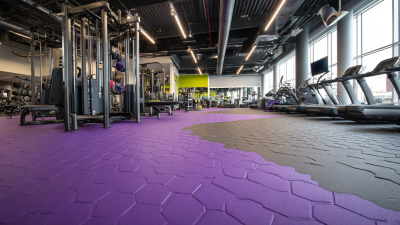
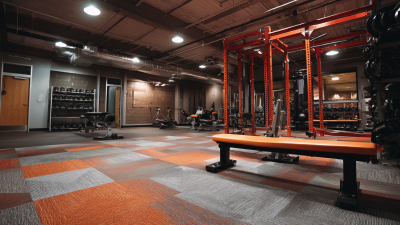
Consider the design of the mats. Bright colors can energize your workout space, while neutral tones may create a calming environment. Ensure your choice complements the overall decor. While aesthetics matter, focus on functionality. Mats should provide adequate cushioning and durability. Sometimes, thicker mats can feel comfortable, but they might be harder to balance on during workouts.
Keep safety in mind. Slippery surfaces or uneven edges can pose risks. Look for mats that interlock securely to prevent shifting. If you have specific activities in mind, such as yoga or weightlifting, factor that into your design choice. Reflect on how equipment placement can affect your layout. Finding the perfect balance between style and practicality requires thoughtful consideration and might take time.
Interlocking Gym Mats Quality Comparison
This bar chart illustrates the key quality metrics for interlocking gym mats. The metrics include thickness, durability, price, and slip resistance rating, which are essential factors to consider when selecting mats for your gym space.