20+ years of production experience
Leave Your Message

How to Source Interlocking Floor Tiles in 2026?

Sourcing Interlocking Floor Tiles in 2026 requires more than comparing online prices. Buyers must connect product specifications with real installation conditions. A tile that looks strong in a showroom may shift on an uneven warehouse floor. A cheaper quote may also exclude edge pieces, freight, or replacement stock.

Begin with the project environment. Record the room size, subfloor condition, moisture exposure, traffic level, and expected load. Then compare thickness, material, surface texture, locking design, slip resistance, and temperature tolerance. Request physical samples, not only digital images. Check whether the joints close smoothly, whether the surface feels stable, and whether the tile releases a strong odor after unpacking. Small details matter.

Ask suppliers for current technical data, test reports, warranty terms, and installation instructions. Reliable manufacturers should identify production locations, batch controls, and realistic lead times. Verify claimed certifications through recognized testing bodies where possible. Requirements can differ by country and building type, so local professional advice remains important. This guide does not treat every supplier claim as complete. Some documents may be outdated, translated poorly, or limited to one test condition.

Allow room for mistakes.

A practical sourcing decision balances performance, maintenance, appearance, availability, and total delivered cost. It also considers what happens later: damaged tiles, color matching, cleaning, and removal. In 2026, responsible buyers should examine recycled content carefully, rather than trusting broad environmental language. Clear evidence is stronger than attractive promises.
How to Source Interlocking Floor Tiles in 2026?

Define Your Flooring Requirements and Project Conditions

How to Source Interlocking Floor Tiles in 2026: Define Your Flooring Requirements and Project Conditions

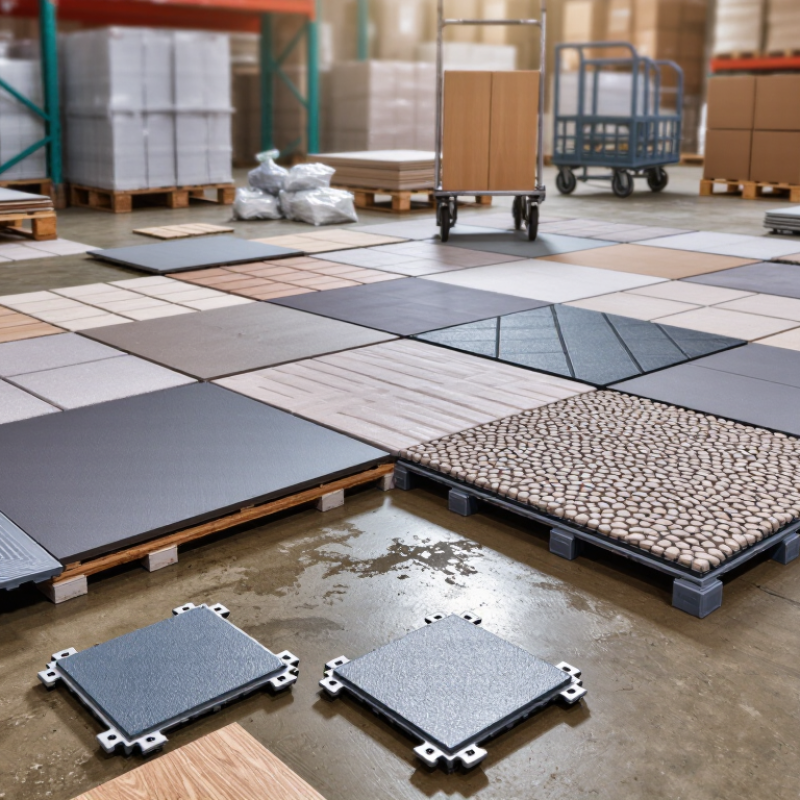
Before contacting suppliers, define how the floor will be used. A home gym needs impact resistance and stable joints. A warehouse needs load capacity, abrasion resistance, and easy cleaning. Outdoor areas require drainage, temperature tolerance, and resistance to sunlight. Measure the full installation area, including awkward corners and access routes. Add a realistic allowance for cuts and future replacements.

Inspect the existing surface carefully. Interlocking tiles perform best on a firm, level, and clean base. Dust, oil, cracks, or standing water can cause movement and uneven seams. Record moisture conditions, temperature changes, door clearances, and floor transitions. Ask suppliers for technical data, installation guidance, test methods, and maintenance instructions. Product samples matter. Color and texture can appear different under warehouse lighting. I once underestimated subfloor movement, and the finished surface separated near a doorway. That mistake changed how I assess site conditions.

Tips: Write a simple project brief before requesting quotations. Include tile thickness, surface texture, expected traffic, environmental exposure, and preferred installation time. Confirm whether tiles can be trimmed without weakening the connection. Request spare pieces from the same production batch. Check cleaning compatibility with your planned chemicals. Do not rely on attractive photos alone. I still find that a small sample test reveals problems that specifications sometimes miss.

Compare Interlocking Tile Materials, Designs, and Performance

How to Source Interlocking Floor Tiles in 2026?

Material choice should follow the room’s actual demands. Polypropylene tiles offer firm support for garages, workshops, and display areas. They resist moisture, but rigid surfaces can feel hard underfoot. PVC provides better flexibility and quieter movement. However, some PVC formulas become brittle in cold conditions. Rubber tiles absorb impact and reduce noise, although they may release a noticeable odor when newly installed. EVA feels softer, but heavy equipment can leave permanent dents.

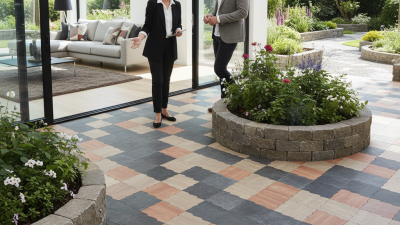
Design affects both appearance and maintenance. Coin and diamond textures improve traction, while smooth wood-look surfaces create a cleaner commercial appearance. Drainage patterns suit gyms, entrances, and damp utility spaces. Hidden connectors look refined, but visible connectors are easier to inspect and replace. Measure the expansion gap carefully. Tight installation can cause raised edges after temperature changes.

Performance claims need practical verification. Request samples and test them with rolling loads, water, cleaning chemicals, and repeated assembly. Check slip resistance when wet, connector strength, thickness tolerance, and color stability near windows. Ask for test reports, material declarations, and batch traceability. Recycled content can support sustainability goals, but inconsistent batches may affect color or stiffness. I have seen attractive samples fail at the corners after frequent trolley traffic. My own sourcing mistake was trusting a high load rating without checking the wheel type. Performance depends on the whole floor system, not one impressive number.

How to Source Interlocking Floor Tiles in 2026?

Compare material, design suitability, and indicative performance before requesting samples and test documents. The figures below represent midpoints of commonly published specification ranges and should be verified against the supplier’s technical data.

Key sourcing insight: PVC and PP tiles generally provide higher load resistance for workshops, garages, and commercial spaces. Rubber tiles offer better impact and acoustic absorption for fitness areas, while EVA foam is lightweight and comfortable but is normally intended for lower-load applications.

Evaluate Suppliers, Certifications, Pricing, and Minimum Orders

How to Source Interlocking Floor Tiles in 2026?

Start with the supplier, not the catalog price. Grand View Research valued the global flooring market at about USD 435 billion in 2023, with continued growth expected through 2030. That scale attracts capable factories and careless traders. Request a factory address, production photos, recent test reports, and two customer references. Order a sample carton. Check locking pressure, edge alignment, odor, and color variation after 48 hours indoors. My practical mistake was trusting a polished sample without checking the underside. The mold pattern later changed.

Certifications should match the installation environment. Ask for applicable ASTM or EN test results, slip resistance, abrasion performance, fire behavior, and restricted-substance screening. ISO 9001 can support process control, but it does not prove product quality. For indoor projects, verify VOC results and confirm the laboratory’s accreditation. Mordor Intelligence’s flooring market analysis identifies commercial renovation and modular installation as important demand drivers, yet reports often combine several flooring categories. Treat broad market figures as direction, not proof of sales for one tile type.

Compare landed cost, not unit cost. Include packaging, pallets, freight, duties, spare tiles, and inspection fees. Suppliers may quote per square meter, carton, or piece. Confusion starts there. A reasonable request covers three quantities: trial order, project order, and repeat order. Record MOQ, lead time, tooling charges, color tolerance, and replacement policy in writing. A low MOQ may increase price sharply, while a large MOQ can trap cash in unused colors. Reflect before committing.

Verify Product Quality Through Samples and Technical Documentation

When sourcing interlocking floor tiles in 2026, request production samples before discussing final prices. A catalog image cannot reveal brittle tabs, uneven edges, or surface gloss differences. Grand View Research reported that the global flooring market was valued at over USD 450 billion in 2023, with steady growth expected through 2030. This scale increases supplier choices, but not necessarily quality.

Test samples from several cartons. Measure tile length, width, thickness, and locking alignment with calipers. Record results. Check whether joints separate after repeated assembly and removal. Ask for abrasion, slip-resistance, fire-performance, and dimensional-stability reports. Relevant standards may include ASTM F925, ASTM F970, EN 14041, or ISO 24343-1, depending on the tile material and market. Reports should identify the tested product, production date, laboratory, method, and result. Generic certificates are weak evidence.

Technical documents should also state raw material composition, wear-layer thickness, installation limits, temperature range, and cleaning restrictions. Request a batch inspection report before shipment. A sample can pass while later production drifts. That risk is easy to underestimate. Keep sealed reference pieces from the approved batch, then compare incoming goods under the same lighting. The U.S. Environmental Protection Agency notes that indoor pollutant levels can be two to five times higher than outdoor levels, so request relevant VOC test data where indoor use is expected. My imperfect rule is simple: trust measurable records, but still inspect the physical tiles.

Plan Shipping, Installation Support, and Long-Term Supply Needs

Shipping is part of the floor system, not an afterthought. UNCTAD’s Review of Maritime Transport 2024 states that ships carry over 80% of global merchandise trade by volume. A delayed container can stop an entire installation.

Request carton dimensions, gross weight, pallet count, and container loading plans before ordering. Ask for moisture protection and corner protection. Include spare tiles for cutting errors and future repairs. A practical buffer is 5–10%, but site conditions may require more. Confirm customs documents, delivery terms, port charges, and final-mile unloading responsibilities in writing. Measure twice. That assumption fails.

Installation support should include subfloor preparation guides, expansion-gap details, cleaning instructions, and short training videos. Require test samples before approving the full batch. Check slip resistance, load performance, dimensional tolerance, and fire information against applicable project standards. The World Bank’s Logistics Performance Index 2023 evaluates customs, infrastructure, shipment quality, and timeliness; these factors should shape supplier selection. Do not judge suppliers by price alone.

For long-term supply, record the tile dimensions, color code, surface texture, and production batch. Ask whether the supplier can preserve the same specifications for three to five years. Confirm minimum order quantities and lead times for replacement cartons. Keep it documented. Annual demand forecasts help factories reserve capacity, but forecasts are rarely perfect. Review them quarterly, and maintain a second qualified source where project downtime would be expensive.

How to Source Interlocking Floor Tiles in 2026? - Plan Shipping, Installation Support, and Long-Term Supply Needs
Planning comparison for common interlocking floor-tile sourcing options. Figures are practical procurement benchmarks and should be confirmed against the final specification, destination, packaging design, and shipping quotation.
Sourcing Profile Typical Material Common Tile Size Typical Thickness Approx. Weight Typical Application Indicative Factory Lead Time Installation Support Reorder Planning Supply Risk
Standard modular garage tile Polypropylene (PP) 300 × 300 mm 12–15 mm 0.75–1.10 kg per tile Garages, workshops, light commercial areas 20–35 days for repeat designs Dry installation; rubber mallet and edge ramps may be required Keep 3–5% spare tiles Low to medium
Heavy-duty industrial tile Rigid PVC or reinforced PP 500 × 500 mm 18–25 mm 3.2–5.5 kg per tile Workshops, warehouses, service bays, commercial floors 30–50 days for custom colors or tooling Subfloor inspection, expansion-gap planning, ramps, and cutting guidance Keep 5–8% spare tiles Medium
Drainage or wet-area tile PP with open-grid or raised drainage structure 300 × 300 mm 15–22 mm 0.90–1.60 kg per tile Pool surrounds, changing rooms, balconies, wet workspaces 25–45 days depending on mold availability Base leveling, drainage direction, edge finishing, and cleaning instructions Keep 5% spare tiles Medium
Outdoor recycled-content tile Recycled PP or recycled PVC blend 400 × 400 mm 15–20 mm 1.80–3.00 kg per tile Temporary venues, terraces, outdoor utility areas 30–55 days; recycled-content batches may vary Temperature allowance, drainage planning, edge restraint, and color-lot control Keep 8–10% spare tiles Medium to high
Procurement Dimension Recommended Planning Benchmark Why It Matters Action Before Purchase Order
Coverage calculation Order the measured floor area plus 3–10% for cuts, damage, future repairs, and color-lot consistency. Interlocking tiles reduce waste, but perimeter cuts and replacement needs still create extra demand. Confirm net area, layout direction, edge conditions, columns, drains, and access openings.
Container and pallet planning Request packed volume, gross weight, pallet dimensions, cartons per pallet, and maximum stack height. Tile products can be lightweight but bulky, so cubic volume may limit shipment capacity before weight does. Compare the supplier’s packing list with the forwarder’s container-loading plan.
Shipping schedule Plan approximately 4–8 weeks for ocean transit and destination handling after factory completion; allow additional buffer for peak periods. Production completion is not the same as delivery. Port congestion, customs, and inland transport can extend the schedule. Set a required-on-site date and work backward through production, inspection, booking, transit, customs, and final delivery.
Trade terms Compare EXW, FOB, and DAP quotations using the same product quantity and packaging specification. Different trade terms allocate freight, insurance, export handling, import clearance, and inland delivery costs differently. Request a written cost breakdown and confirm who is responsible for destination taxes, unloading, and last-mile delivery.
Installation documentation Require a layout drawing, locking method, cutting instructions, edge-ramp details, cleaning guidance, and subfloor tolerances. A suitable tile can still fail operationally if the base is uneven or the installation team lacks site-specific guidance. Ask for installation photos, a sample section, and written instructions before approving mass production.
Quality inspection Check dimensions, locking engagement, flatness, color consistency, odor, surface defects, packaging, and random carton counts. Small dimensional differences can affect connection strength and create visible lines across large installations. Define acceptance criteria, sampling level, inspection timing, and corrective-action responsibilities in the purchase contract.
Long-term supply Maintain the approved color code, mold reference, material grade, packaging format, and inspection standard. Changing a mold, resin blend, texture, or colorant can make later batches visibly or dimensionally different. Obtain a written continuity statement, minimum reorder quantity, standard lead time, and notification process for design changes.
Spare-parts strategy Store spare tiles indoors, flat, dry, protected from direct sunlight, and in the original packaging where possible. Correctly stored spare stock is useful for repairs and avoids mixing different production lots. Label spare cartons with purchase date, batch or lot reference, color, thickness, and installation location.
Payment and risk control Use staged payments linked to specification approval, pre-shipment inspection, and shipping-document release. Milestone controls reduce the risk of paying for goods that do not match the approved sample or packing plan. Approve a golden sample and attach the technical specification, drawings, tolerances, and packaging requirements to the order.
Planning note: Shipping times, production capacity, minimum order quantities, import requirements, and installation performance vary by origin, destination, season, product design, and project scale. Confirm all commercial and technical details with the selected supplier and logistics provider before placing the order.