What is Mat Eva and How is it Used in Various Applications
Mat Eva, a versatile material known for its excellent cushioning properties and durability, is increasingly gaining traction across various industries. According to a recent report by Market Research Future, the global demand for EVA (Ethylene Vinyl Acetate) is projected to reach USD 18 billion by 2025, highlighting its importance in sectors such as footwear, automotive, and packaging. The material's lightweight nature and adaptability make it an ideal choice for applications ranging from sports equipment to construction.
Industry expert Dr. Jane Thompson, a leading researcher in polymer sciences, emphasizes the significance of Mat Eva in modern manufacturing. She states, "The versatility and performance characteristics of Mat Eva make it a game-changer in applications ranging from consumer goods to industrial uses." Such insights underline the increasing reliability of Mat Eva as a material that not only meets but exceeds performance standards in diverse applications.
As the market evolves, innovations in Mat Eva technologies are expected to emerge, driving efficiency and sustainability. With its enhanced properties and potential for customization, Mat Eva is set to redefine industry standards, paving the way for its expanded utilization across various sectors.

What is Mat Eva: An Overview of the Material
Ethylene-vinyl acetate (EVA) is a versatile copolymer that combines the properties of ethylene and vinyl acetate, resulting in a material known for its flexibility, transparency, and resistance to UV radiation and stress cracking.
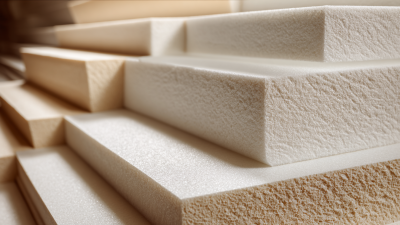
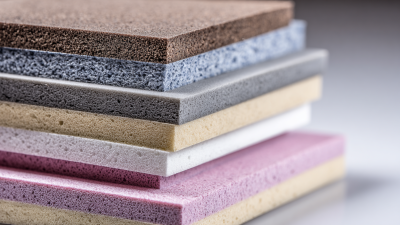
Mat EVA, specifically, refers to EVA in the form of mats or sheets, which makes it suitable for various applications across multiple industries. The unique composition allows for customization of its properties, including its density and hardness, making it adaptable for specific requirements.
In practical use, Mat EVA is commonly employed in the sports and leisure sector due to its shock-absorbing capabilities and lightweight characteristics. It is widely used in products such as yoga mats, insoles, and protective padding, providing comfort and safety to users.
Additionally, its waterproof nature makes it an excellent choice for outdoor and marine applications, including boat flooring and waterproof covers. Beyond recreation, Mat EVA is utilized in automotive and packing industries, where its cushioning and protective properties help safeguard goods during transportation and enhance overall product durability.
Properties and Characteristics of Mat Eva
Mat EVA, or Ethylene Vinyl Acetate, is a versatile material known for its unique properties and characteristics that make it suitable for various applications. One of its primary attributes is its excellent elasticity and flexibility, which allows it to withstand deformation without permanent damage. According to a report by Grand View Research, the global EVA market size was valued at approximately USD 7.60 billion in 2020 and is expected to witness a CAGR of 6.6% from 2021 to 2028, highlighting its increasing demand across diverse industries.
Another significant characteristic of Mat EVA is its resistance to UV radiation and weathering, making it an ideal choice for outdoor applications. It maintains its performance stability over a wide temperature range, from -40°C to +80°C. This makes it suitable for use in various environments, including sports equipment, footwear, and automotive components. Furthermore, an industry analysis indicated that the construction sector is one of the largest consumers of EVA, driven by its properties that enhance the performance and durability of applications such as roofing membranes and insulation materials.
Additionally, Mat EVA possesses a low density, resulting in lightweight products that do not compromise strength. Its chemical stability means it can be used safely in a variety of applications without adverse reactions, which is critical in sectors like packaging and consumer goods. Studies have shown that this material's shock-absorbing qualities make it particularly beneficial in protective applications, indicating its role in ensuring safety and performance across multiple industries.
Common Applications of Mat Eva in Different Industries
Mat Eva, or ethylene-vinyl acetate, is a versatile foam material widely utilized across various industries due to its lightweight and flexible properties. One of the most common applications of Mat Eva can be found in the footwear industry, where it serves as an essential component in the manufacturing of insoles and midsoles. Its shock-absorbing capabilities provide enhanced comfort and support, making it ideal for athletic and everyday footwear. Additionally, Mat Eva’s resistance to UV light and varying temperatures increases its durability, allowing shoes to maintain their performance over time.
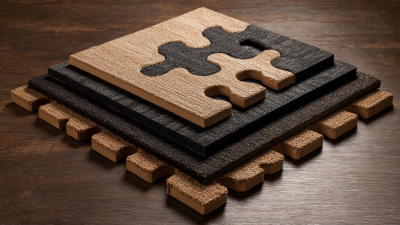
In the realm of sports and fitness, Mat Eva is frequently used in the production of mats and padding. These mats are designed for various activities, including yoga, aerobics, and gymnastics, providing a cushioned surface that helps reduce the risk of injury. Furthermore, Mat Eva is employed in automotive applications, where it functions as interior cushioning and insulation material. Its lightweight nature contributes to overall vehicle efficiency, while its sound-dampening properties enhance the driving experience. The adaptability of Mat Eva across these diverse sectors demonstrates its significance as a functional material in modern manufacturing.
Benefits of Using Mat Eva in Various Products
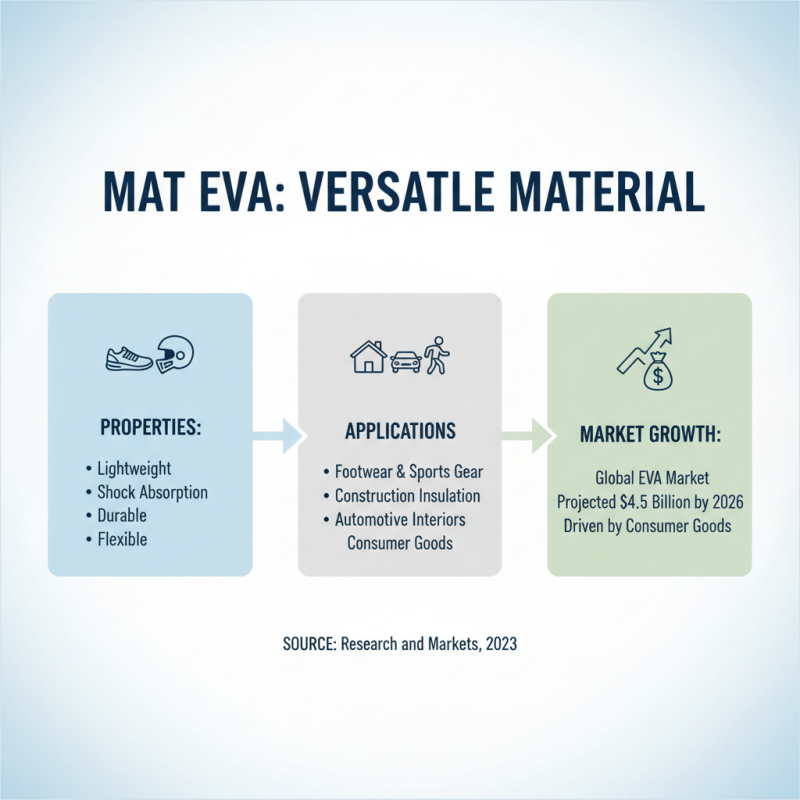
Mat Eva, a versatile material made from ethylene-vinyl acetate, is widely recognized for its beneficial properties across various industries. Its lightweight nature combined with excellent shock absorption makes it an ideal choice for a multitude of applications, ranging from footwear and sports equipment to insulation in construction and automotive interiors. According to a market research report published by Research and Markets, the global EVA market is projected to reach USD 4.5 billion by 2026, with a significant share attributed to its use in the manufacturing of consumer goods due to its durability and flexibility.
The benefits of Mat Eva extend to its eco-friendliness, as it is often produced using non-toxic materials and is recyclable. This aspect is increasingly important as industries focus on sustainability, with a study from the International Journal of Recycling of Material Resources highlighting that products made from EVA can help reduce landfill waste significantly. Moreover, Mat Eva's resistance to UV radiation and moisture makes it exceptionally useful in outdoor applications, such as mats and flooring, where prolonged exposure to elements can otherwise lead to material degradation. The combination of these advantages underscores the material's growing preference across sectors aiming for both performance and sustainability in their product offerings.
Future Trends and Innovations in Mat Eva Technology
The future of Mat Eva technology is poised for significant advancements driven by ecological sustainability and enhanced performance. Companies are investing in the development of bio-based EVA materials that reduce dependency on fossil fuels while maintaining the desirable qualities of traditional EVA, such as flexibility and durability. Innovations in manufacturing processes are also expected, which could lead to more energy-efficient production methods and reduced waste, aligning with global sustainability goals.
Additionally, the integration of smart technology into Mat Eva applications is on the rise. With the increasing demand for smart products, manufacturers are exploring ways to incorporate sensors into Mat Eva materials, allowing for enhanced functionality in various applications ranging from footwear to automotive interiors. These smart materials could monitor wear and tear, adapting to environmental conditions or providing real-time feedback to users, thus paving the way for personalized product experiences. As research progresses, we can anticipate a broader range of applications that leverage both the physical properties of Mat Eva and the capabilities of emerging technologies.