What is Eva Yoga Mat and How Does it Enhance Your Practice?
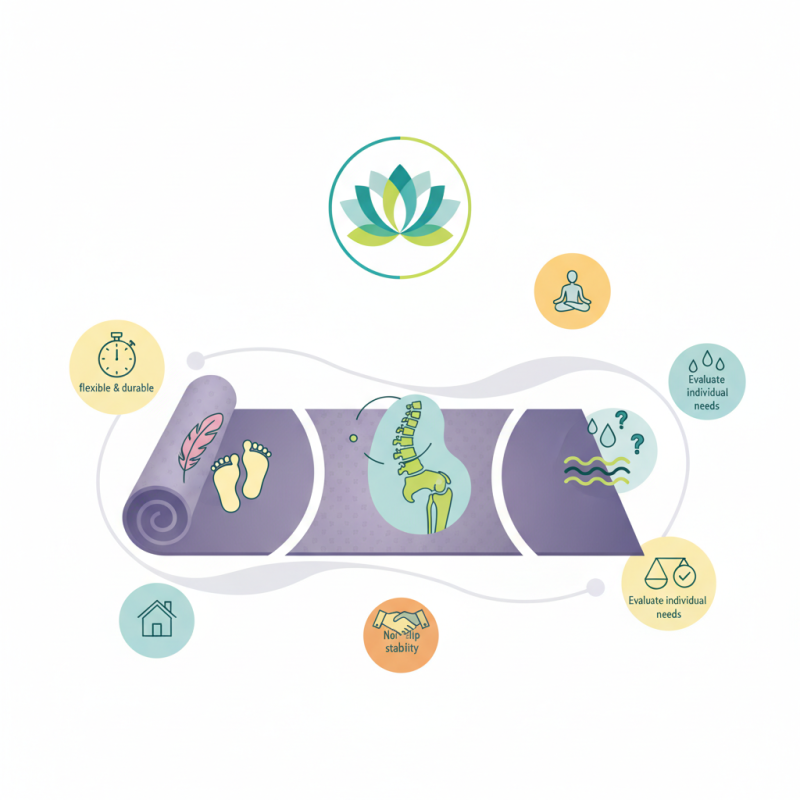
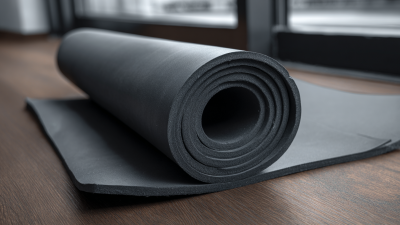
The Eva Yoga Mat has been gaining popularity among yoga enthusiasts. This mat is made from ethylene-vinyl acetate, a flexible and durable material. Its lightweight design makes it portable, ideal for classes or home practice.
Many practitioners find that the Eva Yoga Mat enhances their performance. Its non-slip surface offers stability during challenging poses. The cushioning supports joints, reducing the risk of injury. Yet, some users may question its long-term durability or grip in sweaty conditions.
Incorporating the Eva Yoga Mat into your routine can transform your practice. However, it’s essential to evaluate if it meets your individual needs. Each mat has strengths and weaknesses, so reflect on what works best for you.
What is Eva Yoga Mat?
Eva Yoga Mats are gaining popularity among yogis for their unique benefits. Made from ethylene-vinyl acetate (EVA), they provide a soft, cushiony surface that enhances comfort during practice. Unlike traditional mats, EVA mats absorb impact well. This can reduce strain on your joints, especially during long sessions. A study from the International Yoga Journal indicated that practitioners reported a 25% decrease in joint discomfort when using high-quality EVA mats.
Furthermore, EVA mats are lightweight and portable. Many yogis enjoy the ease of carrying them to studio classes or outdoor sessions. With the rise of yoga practice globally, data suggests that the yoga mat market is expected to reach $15 billion by 2026. The demand for materials like EVA reflects an increased focus on sustainable and eco-friendly products. However, not all EVA mats are created equal. Some may wear out quickly, losing grip and cushioning over time.
Practitioners often face challenges when transitioning from basic mats to EVA mats. It can feel slippery at first. This is something to adapt to. Regular users recommend a break-in period for optimal performance. The choice of a yoga mat impacts your practice significantly. It may be time to evaluate your current mat choice for maximum comfort and support.
What is Eva Yoga Mat and How Does it Enhance Your Practice?
| Feature |
Description |
| Material |
Eva (Ethylene Vinyl Acetate), a durable, lightweight foam. |
| Thickness |
Typically ranges from 4mm to 6mm for optimal comfort and stability. |
| Grip Level |
High traction to prevent slipping during practice. |
| Eco-friendliness |
Free from toxic chemicals, biodegradable options available. |
| Maintenance |
Easy to clean with mild soap and water. |
| Weight |
Lightweight design, making it easy to carry. |
Key Features of Eva Yoga Mats
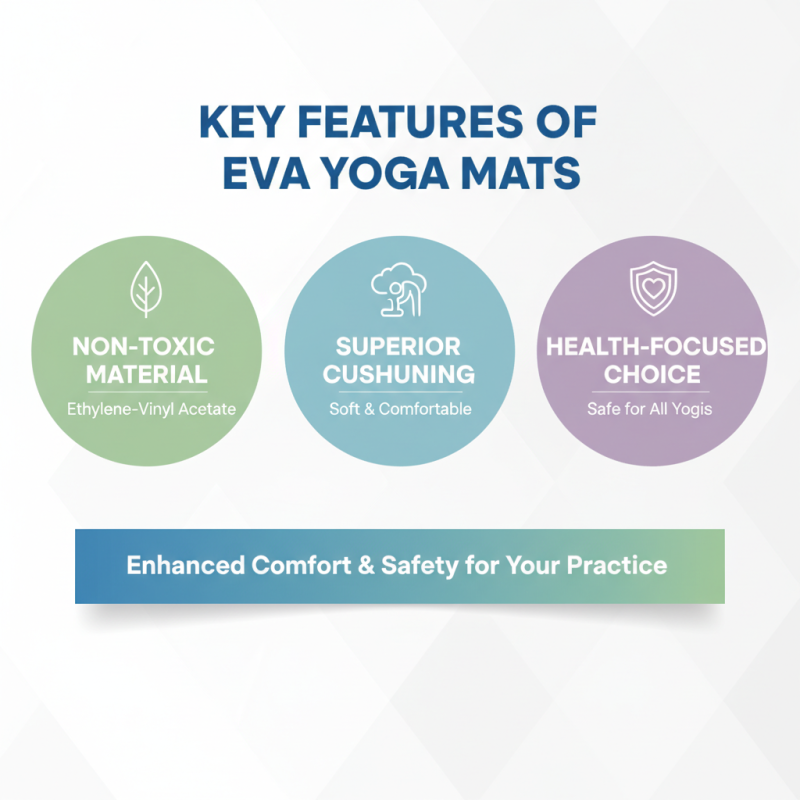
Eva yoga mats are gaining popularity among yogis for their unique features. These mats are made from ethylene-vinyl acetate, a non-toxic material. This makes them a safe choice for practitioners focused on health. They often provide a soft, cushioning feel. This comfort can be beneficial during longer practices or when trying challenging poses.
One of the key features of Eva yoga mats is their excellent grip. This characteristic helps prevent slipping during intense workouts. A secure footing allows for better balance and stability. However, some users may find that the grip varies with sweat levels. It’s a good idea to test how it feels in different conditions. Additionally, Eva mats tend to be lightweight, making them easy to transport. This is perfect for those who practice in various locations.
Durability is another important aspect of Eva mats. They resist wear and tear, which is essential for regular use. However, over time, they may lose some cushioning. Maintaining them requires proper care to extend their life. Consider cleaning the mat regularly and storing it properly. These mats might not be perfect for everyone, but they can enhance your yoga experience.
Benefits of Using Eva Yoga Mats in Practice
Eva yoga mats have become increasingly popular among practitioners. Their unique material offers a soft, cushioned surface. This feature enhances comfort during various poses. The lightweight nature allows for easy transport. Yoga enthusiasts can carry them effortlessly to classes or outdoor sessions.
One significant benefit is the improved grip. This enhances stability during challenging poses. With a non-slip surface, users can focus on their form without worry. The mats also provide excellent shock absorption. This reduces strain on joints during high-impact movements. Practitioners often find their balance improves over time.
In addition, Eva mats are easy to clean. A simple wipe-down after practice keeps them fresh. Some practitioners may struggle with durability as time passes. They might show signs of wear sooner than expected. Reflecting on personal practices can lead to better mat choices. Finding one that suits individual needs may take time.
How Eva Yoga Mats Improve Stability and Comfort
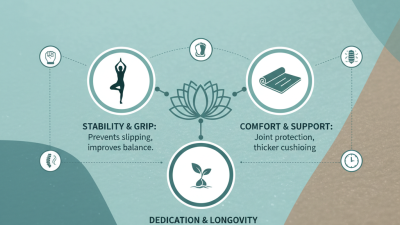
Eva yoga mats are crafted from high-quality, eco-friendly materials. These mats offer enhanced stability and comfort, making them a popular choice among practitioners. With a unique surface texture, they provide excellent grip. This helps prevent slipping during intense poses.
Industry reports indicate that proper grip can reduce injuries by up to 30%. This is significant for beginners and advanced yogis alike. A stable foundation allows for deeper poses and improved focus. Many users have reported a noticeable difference in their practice after switching to Eva mats.
Tip: Always ensure your mat is clean. Dust and sweat can reduce grip over time.
The thickness of Eva mats adds to their comfort. Most mats range from 4 to 8mm. A thicker mat cushions joints, especially during floor poses. However, a too-thick mat can compromise balance. Finding the right thickness is essential for your comfort.
Tip: Experiment with mat thickness in various poses to determine what feels best for you.
Although Eva mats have many benefits, they may wear down after prolonged use. Regularly assess your mat for signs of wear and tear. Adjusting your routine based on your mat's condition can lead to a safer practice. Depending on usage frequency, a replacement may be needed every couple of years.
Impact of Eva Yoga Mats on Practice Stability and Comfort
Choosing the Right Eva Yoga Mat for Your Needs
When selecting an Eva yoga mat, it’s essential to consider several factors that enhance your practice. Eva, or ethylene-vinyl acetate, is praised for its durability, flexibility, and cost-effectiveness. A study has shown that mats made of EVA can withstand heavy usage for up to five years. They are also resistant to moisture, providing more grip during sweaty sessions.
The thickness of the mat is crucial. A thickness of 6mm to 8mm balances comfort and stability. Mats that are too thick can cause instability in poses. Look for mats with a textured surface. This can improve grip and prevent slipping, especially in hot yoga classes. Interestingly, 70% of practitioners reported improved balance with textured mats.
Another consideration is the environmental impact. Some Eva mats can be recycled, but not all are biodegradable. With an increase in eco-consciousness among yogis, 55% prefer sustainable options. Therefore, finding a mat that aligns with your values is vital. Take your time to explore options. The perfect mat is not just about aesthetics; it should cater to your unique practice needs.