Why is Gym Flooring Essential for Your Workout Experience?
Gym flooring is a crucial component of any workout environment, greatly impacting the overall experience for fitness enthusiasts. According to the National Academy of Sports Medicine (NASM), proper flooring can reduce injuries by up to 50%. This statistic highlights the importance of investing in quality gym flooring that offers shock absorption and stability. As fitness expert Mark Smith states, “The right gym flooring not only enhances performance but also ensures safety during workouts.”
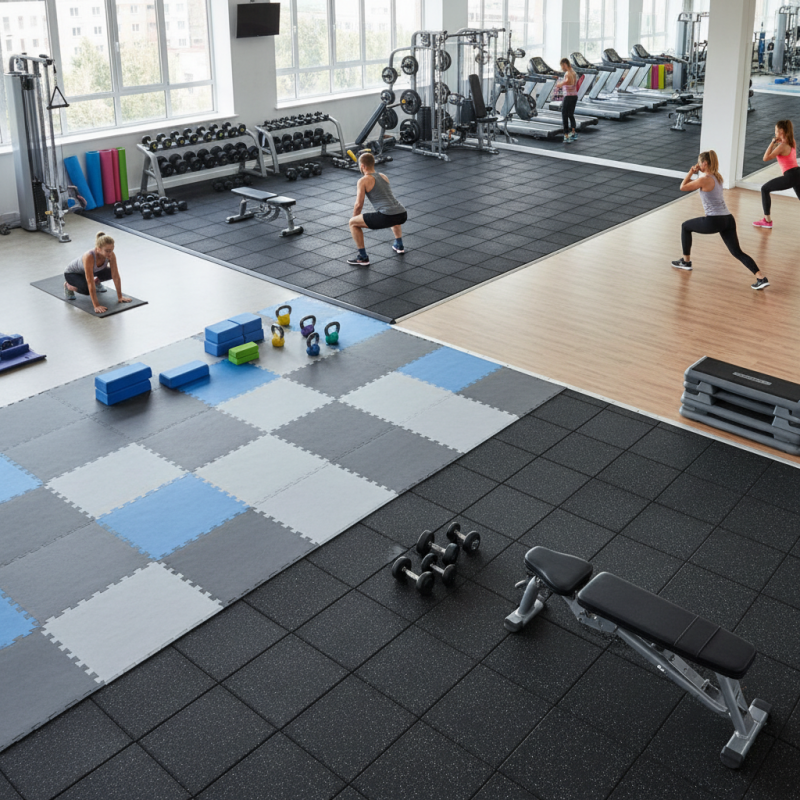
Selecting the appropriate gym flooring can be overwhelming. With various materials available, each offers different benefits and drawbacks. Rubber flooring is popular for its durability and shock-absorbing properties. However, it may not provide the aesthetic appeal some gyms desire. On the other hand, foam tiles are lightweight and easy to install, but they may wear down faster than tougher materials. It’s essential to reflect on these aspects when choosing flooring, as they can greatly impact both functionality and ambiance.
Moreover, many gym owners overlook maintenance needs, which can hinder long-term functionality. Neglecting routine cleaning and upkeep can lead to increased wear and safety hazards. Flooring isn’t just about looks; it serves a vital purpose in performance and safety. A well-thought-out flooring choice can turn a standard workout space into a welcoming fitness haven.
Importance of Gym Flooring for Safety and Injury Prevention
Selecting the right gym flooring is critical for safety and injury prevention. The surface you train on can significantly impact your performance and well-being. Studies by the International Journal of Sports Medicine reveal that improper flooring can lead to an increase in injuries. Around 40% of gym-related injuries stem from slips and falls. This emphasizes the need for reliable flooring that provides traction and shock absorption.
Different types of flooring offer distinct advantages. Rubber flooring is known for its durability and ability to reduce impact forces. In fact, research shows that rubber surfaces can lower injury risk by up to 70%. However, not all rubber flooring is created equal. Some may lack adequate grip, leading to accidents. It is essential to consider the specific activities performed in the gym when selecting flooring. High-impact exercises require surfaces that can adequately absorb shock and provide stability.
Yet, maintenance plays a crucial role in safety. Worn-out surfaces can lose their protective features. This can lead to hidden risks that go unnoticed. Regular inspections and proper cleaning routines are vital. Ignoring these aspects may result in injuries that could have been prevented. Staying proactive about gym flooring ensures a safer workout experience for everyone.
Types of Flooring Options Available for Gym Environments
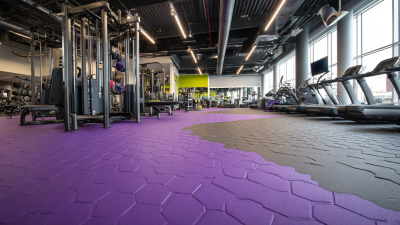
Choosing the right flooring for gym environments is crucial. Different options cater to various workout types, ensuring safety and performance. Rubber flooring stands out for its durability. According to the National Institute for Occupational Safety and Health (NIOSH), rubber surfaces reduce the risk of injury, making them perfect for high-impact activities. Their shock-absorbent quality helps minimize fatigue during intense training sessions.
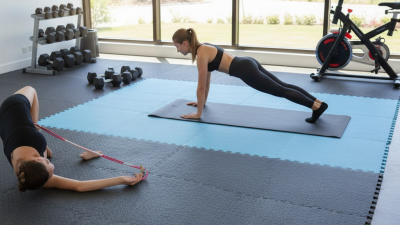
Foam flooring offers versatility, often used in yoga and Pilates studios. It provides a soft surface, enhancing comfort. The International Association for Health, Racquet & Sportsclubs (IHRSA) notes that foam's lightweight nature makes installation easy. However, foam may not be ideal for heavy gym equipment, potentially leading to uneven surfaces over time.
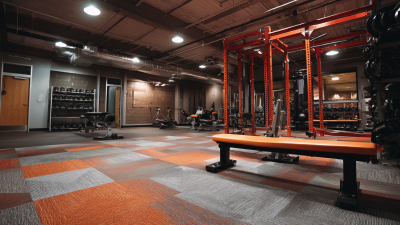
Vinyl flooring is another option, gaining popularity for its aesthetic appeal. It mimics wood or stone without the maintenance issues. While it looks great, the lack of padding can impact performance during dynamic workouts. Similarly, carpet tiles provide warmth but can trap odors and moisture. Regular maintenance is essential to maintain hygiene in this setting. Each option has its pros and cons. Careful consideration of flooring can significantly enhance the training atmosphere.
Impact of Gym Flooring on Workout Performance and Comfort
Choosing the right gym flooring can dramatically influence your workout performance and comfort. The surface beneath your feet affects your stability. A firm surface helps during weightlifting, allowing for better balance. Cushioned flooring is ideal for high-impact activities. It provides shock absorption, reducing the risk of injury.
Tips for selecting flooring:
Look for options that offer grip. This can prevent slips during intense moves. Also, consider the thickness. Thicker materials often provide better cushioning.
Comfort cannot be overlooked. Poor flooring leads to unnecessary fatigue. If your feet hurt, your motivation drops. Listen to your body. Reflect on your performance—are you really hitting your goals without the right support? Optimal flooring is more than a choice; it’s a necessity for effective training.
Maintenance and Durability Considerations for Gym Flooring
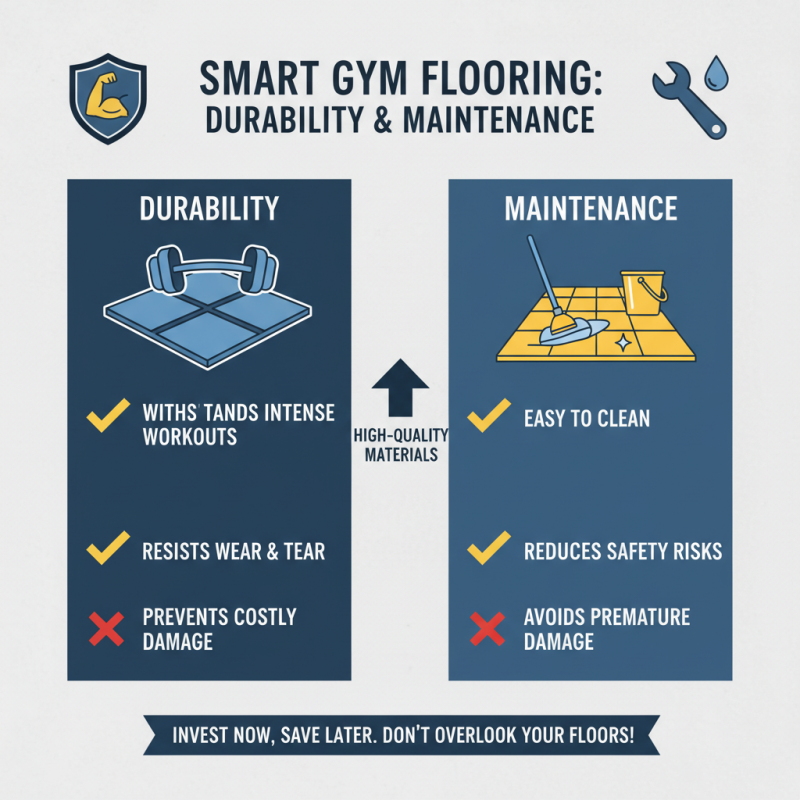
When choosing gym flooring, maintenance and durability are crucial factors. High-quality materials can withstand intense workouts and repeated use. A durable floor prevents wear and tear, which can be costly over time. However, gym owners often overlook this aspect, leading to premature damage and safety hazards.
Proper maintenance extends the life of gym flooring. Regular cleaning keeps surfaces safe and free from dirt, which can cause slips. Yet, many facilities fail to implement a routine. This negligence can result in buildup that compromises the quality of workouts. Occasionally, the floor might seem fine, but hidden issues lurk beneath the surface.
Another point to consider is the installation process. Improperly installed flooring can lead to issues down the line. Gaps or uneven surfaces disrupt workouts and may cause injuries. It's vital to prioritize quality installation along with material choice. Ignoring this can lead to headaches, both in terms of money and safety. Gyms should reflect on their flooring to ensure they provide a truly beneficial workout experience.
Cost-Effectiveness of Investing in Quality Gym Flooring
Investing in quality gym flooring may seem like an additional expense at first. However, it is crucial for both safety and performance. High-quality flooring absorbs impact and reduces stress on joints. This is particularly important when lifting weights or performing high-intensity workouts. Imagine the difference of working out on a cushioned surface versus hard concrete. The comfort level goes up significantly with proper flooring.
Moreover, durable gym flooring can save money over time. Cheaper options might require frequent replacements. They wear down quickly and affect workout efficiency. On the other hand, if you choose smartly, quality options can last for years. This longevity means fewer replacements and lower costs in the long run. You’ll focus on your workouts instead of worrying about your space.
Some may think it’s just about appearance. Sure, attractive flooring can enhance the gym's aesthetic. But the real value lies in functionality. Poor flooring can lead to injuries and dissatisfaction. Reflecting on your choices matters. A little investment today can lead to a safer and better workout tomorrow.