How to Choose the Right Interlocking Mats for Your Space?
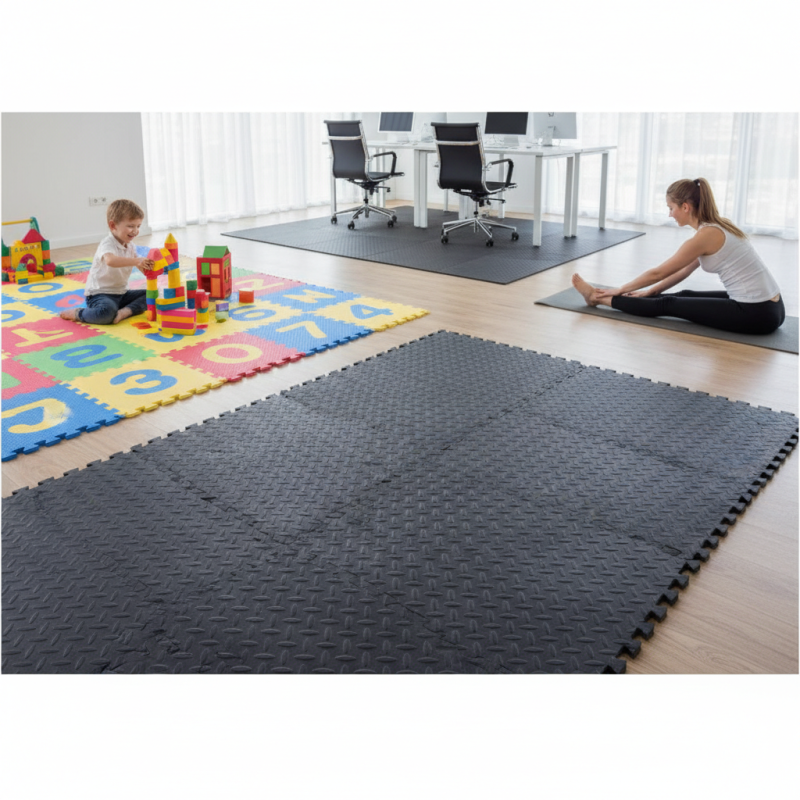
Choosing the right interlocking mats can make a significant difference in your space. These versatile mats come in various sizes, colors, and materials. They are used in homes, gyms, and offices. Finding the perfect fit requires thoughtful consideration.
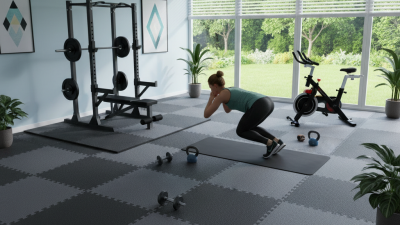
Think about the purpose of your interlocking mats. Are they for safety, comfort, or aesthetics? Different activities demand different features. For example, fitness spaces need mats that provide traction and cushioning. Home play areas may prioritize softness and color.
Don't forget to check the quality of the mats. Poorly made interlocking mats can wear out quickly. This could lead to safety risks or dissatisfaction. Reflect on your choices and ask yourself: do the mats truly meet your needs? Investing in the right interlocking mats can create a functional and enjoyable environment.
Understanding Different Types of Interlocking Mats Available
When selecting interlocking mats, it's essential to understand the variety available. Foam, rubber, and carpet tiles are among the most popular types. Each offers unique benefits tailored to specific needs. For instance, foam mats are lightweight and provide cushioning, ideal for play areas. In contrast, rubber mats deliver durability and traction, often used in gyms.
A report by the American Flooring Association highlights that over 50% of consumers prefer interlocking mats for their versatility. This statistic reveals the growing demand for adaptable flooring solutions. Choosing the right material depends on your space's function. Carpet tiles might be more suitable for lounge areas. However, highly active spaces may require sturdier options.
The aesthetic factor also plays a role. Many interlocking mats come in various colors and textures. This allows for creative designs, enhancing the space's visual appeal. Keep in mind that a poor choice can lead to faster wear or safety issues. Always consider factors like maintenance and comfort. These decisions have long-term implications for both functionality and cost.
Evaluating Your Space Requirements for Interlocking Mats
When considering interlocking mats, evaluate your space carefully. Start by measuring the area where you plan to install the mats. Width and length are crucial. Ensure you account for any obstacles, such as furniture or equipment. A clear floor plan helps visualize how the mats will fit.
Tips: Measure twice to avoid mistakes. Use tape to outline where the mats will go. This gives you a visual reference.
Consider the purpose of the mats. Will they be used for fitness, play, or protection? Different activities may require various thicknesses and materials. For example, gym mats need more cushioning than mats in a play area.
Tips: Think about how often the space will be used. High-traffic areas may need tougher materials. Don't overlook maintenance—some mats need regular cleaning.
Lastly, check the flooring type below. Ensure the mats adhere well to avoid slips. An uneven surface can cause discomfort and risk injuries. A bit of thought now will save trouble later.
Tips: Test samples before making a choice. It’s an excellent way to assess comfort and fit.
Interlocking Mats Selection: Space Requirements Analysis
Factors to Consider: Material, Thickness, and Durability
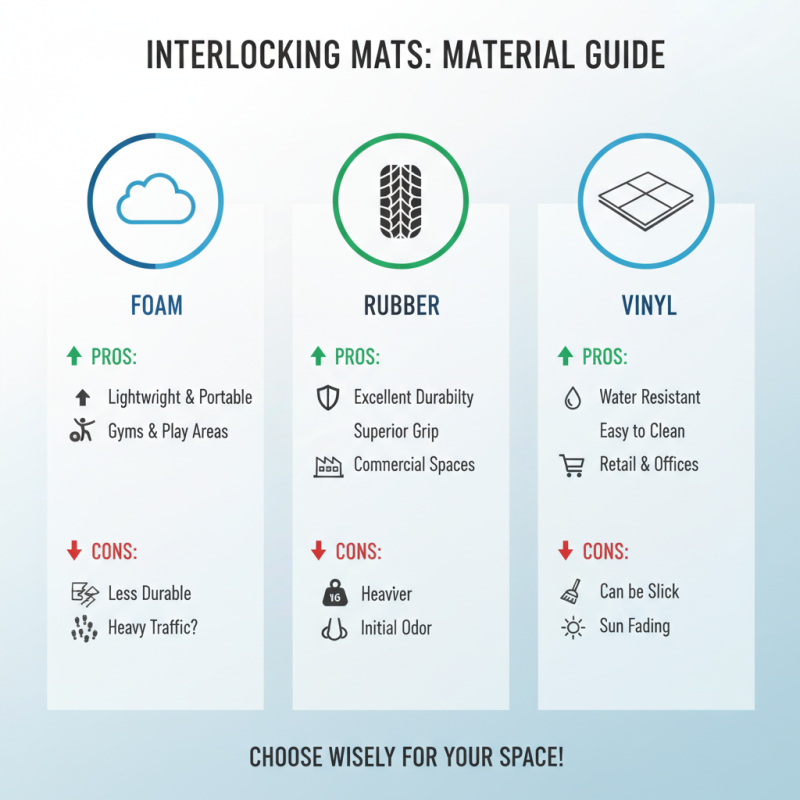
When selecting interlocking mats, consider the material carefully. Common options include foam, rubber, and vinyl. Foam mats are lightweight and portable. They work well for gyms and play areas. However, they might not be durable enough for heavy foot traffic. Rubber mats, on the other hand, offer excellent durability and grip. They can withstand rigorous use, making them suitable for commercial spaces. Each material has its pros and cons.
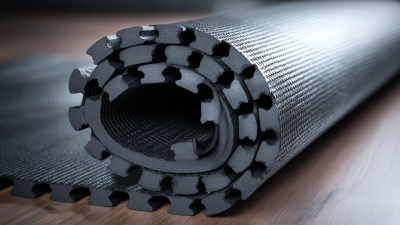
Thickness plays a crucial role too. Thicker mats provide better cushioning. They are ideal for activities like yoga or high-impact workouts. However, they can be bulkier and take up more storage space. Thinner mats are easier to handle, but they may not offer the same support. Consider how the mats will be used before deciding on the thickness.
Durability is another important factor. High-quality mats can last for years, but they may come with a higher price tag. Cheaper options may wear down quickly, leading to a need for replacement. It's essential to assess the quality before purchasing. Think about the long-term value versus the initial cost. Reflecting on these aspects will aid in making a better choice for your space.
Assessing Safety Features and Maintenance for Interlocking Mats
When choosing interlocking mats, safety is critical. Not all mats provide adequate protection. Look for mats with a non-slip surface. This feature minimizes the risk of slips and falls. Check the thickness of the mats as well. Thicker mats typically offer better cushioning. However, they may require more maintenance.
Maintenance is another important factor. Some mats are easier to clean than others. Smooth surfaces generally attract less dirt. Foam mats may need regular deep cleaning. Think about how often the mats will be in use. High-traffic areas need something durable. You may need to replace mats more frequently in these zones.
Consider the material too. Rubber mats are durable but can be heavy. Foam mats are lighter, but they might wear out. Evaluate your personal needs and space requirements. It’s essential to strike a balance between comfort and functionality. Reflecting on these details can lead to better choices for your environment.
Budgeting and Sourcing: Finding the Right Mats for Your Needs
When choosing interlocking mats, budgeting is crucial.
Decide on a clear budget before you start shopping. Understand how much you are willing to spend. This will help narrow your options. Prices for interlocking mats can vary widely. It's important to find a balance between cost and quality.
Look for mats that meet your specific needs. Think about the space they will occupy. Are they for a gym, play area, or a workshop? Each setting has different requirements. Consider the durability and ease of cleaning too. Some mats may look attractive but wear out quickly.
Sourcing the right mats can be challenging. Local stores may have limited options. Online shopping offers a wider selection. However, be cautious about delivery times and shipping costs. Sometimes, lower-priced mats lack essential features. Always read product reviews and specifications carefully. Don’t hesitate to ask for samples before making a final decision.