How to Choose the Right Mat Eva for Your Needs?
Choosing the right Mat Eva can seem challenging. With so many options, it's easy to feel overwhelmed. Different needs require different mats.
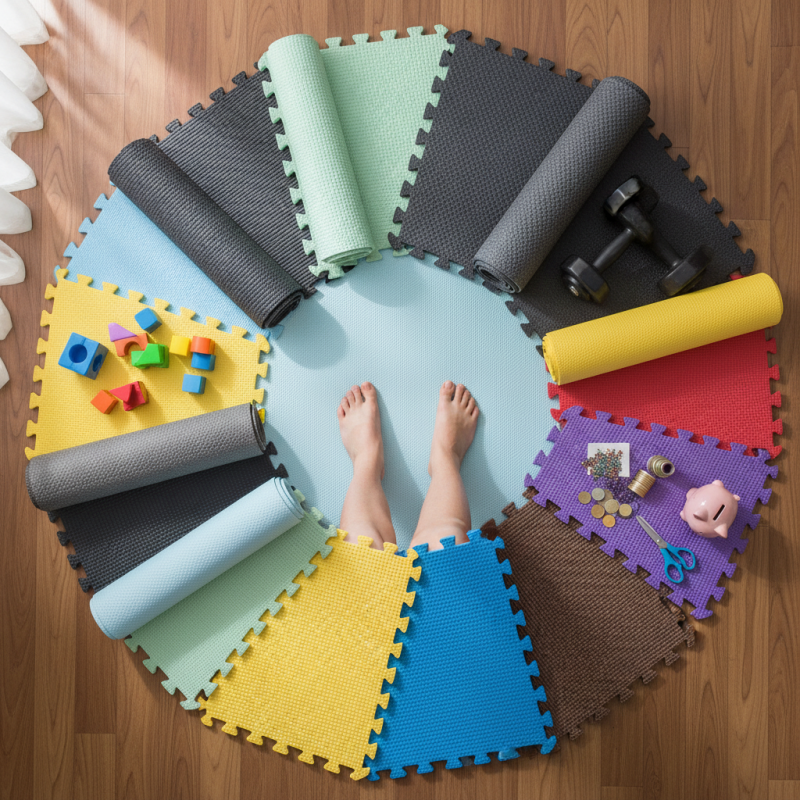
Mat Eva is popular due to its durability and flexibility. Whether you need it for exercise, kids, or crafts, knowing what to look for is essential. Color, thickness, and texture matter. Think about where you will use it. A softer mat could be better for yoga, while a thicker one suits high-impact activities.
Also, consider your budget. Cheap mats may wear out quickly. Reflect on how often you'll use it. If you need a mat that lasts, investing more may be wise. Remember, the perfect Mat Eva does not exist for everyone, and personal preferences will vary. Consider your unique needs and start your journey to the ideal mat.
Understanding the Different Types of EVA Mats Available in the Market
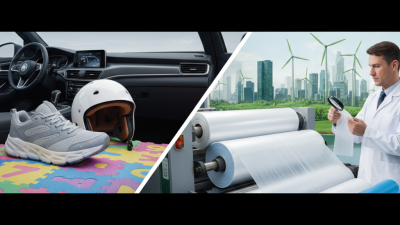
When choosing an EVA mat, understanding the types available is crucial. EVA, or ethylene-vinyl acetate, comes in various forms. You can find mats designed for exercise, children’s play, and even industrial settings. Each type has unique properties that affect performance and durability.
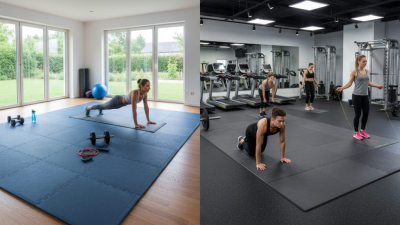
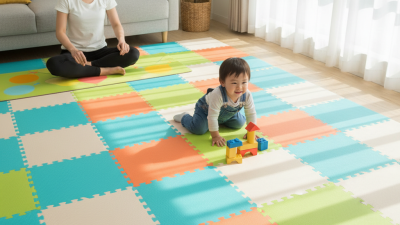
Exercise mats are usually thicker and provide cushioning. They help absorb impact during workouts. Play mats for kids often feature colorful designs and softer textures. These mats prioritize safety and comfort while your children explore. Industrial mats are robust, designed to withstand heavy use in workplaces. Their structure helps reduce fatigue during long hours of standing.
It’s easy to get overwhelmed by choices. Some mats may seem perfect at first glance. However, consider your specific needs before making a decision. Not every mat will fulfill its promise. Testing the mats in-store can give you a better feel. Pay attention to how they respond to pressure. This can save you from future regret. Remember, the right mat can enhance your space, while the wrong choice may lead to frustration.
How to Choose the Right Mat Eva for Your Needs? - Understanding the Different Types of EVA Mats Available in the Market
| Type of EVA Mat |
Thickness (mm) |
Density (kg/m³) |
Usage |
Price Range ($) |
| Standard EVA Mat |
10 |
30 |
Fitness, Yoga |
20 - 40 |
| High-Density EVA Mat |
15 |
50 |
Gym, Aerobics |
35 - 60 |
| Lightweight EVA Mat |
5 |
25 |
Travel, Outdoor |
15 - 30 |
| Anti-slip EVA Mat |
12 |
40 |
Home, Kids Play |
25 - 50 |
Assessing Your Specific Needs for Comfort and Durability
When assessing your needs for comfort and
durability in an EVA mat, consider your specific activities.
Different uses require different materials. For instance, yoga practitioners often prefer softer mats
that provide grip. Meanwhile, athletes may need firmer mats for shock absorption during heavy workouts.
According to a recent industry report, 70% of users prioritize comfort,
while 45% emphasize durability as a key factor when selecting mats.
Tips: Test the mat’s thickness. A thicker mat offers more cushioning but may be less stable.
Conversely, a thinner mat provides better balance but less comfort. Strike a balance that suits your individual needs.
Evaluate where you plan to use the mat. Indoor spaces may benefit from mats with non-slip surfaces.
Outdoor usage requires mats that can withstand the elements. Be aware that some lightweight mats can degrade faster
under UV exposure. A report from the Fitness Mat Association noted that 60% of mats
had reduced effectiveness after extended outdoor use.
Tips: Look for mats with warranties. This can indicate the manufacturer's confidence in their product.
A mat that shows wear within a short time may not meet your needs for durability. Always reflect on
your actual usage patterns when making a choice.
Evaluating Thickness and Density: Key Factors for Selecting EVA Mats
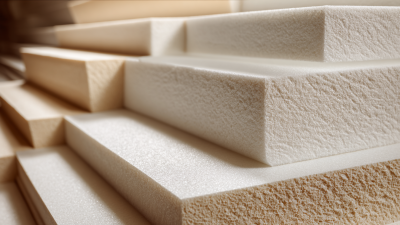
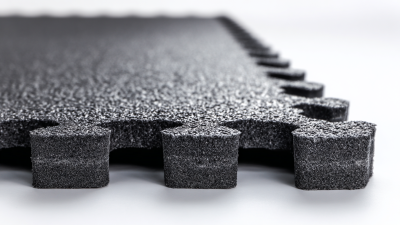
When selecting an EVA mat, thickness and density are crucial factors. Thickness can determine the comfort level. A thicker mat often absorbs more shock, making it ideal for high-impact activities. However, it might be too bulky for some uses. A 10mm mat may work well for yoga, but may not be suitable for heavy lifting. Consider where you plan to use it.
Density is equally important. A denser mat provides better support and durability. This means it will last longer and resist wear. Yet, it could feel less cushioned. If you use the mat for prolonged periods, a balance between thickness and density is essential. It’s a challenge to find the right combination for your specific needs.
Sometimes, personal preference plays a significant role. Some prefer a firmer surface, while others seek cushioning. Test various options to see what feels best. Not everyone will find the ideal mat in one go. Reflecting on your experience can guide future choices. Each mat offers a different experience, and that’s okay.
Thickness and Density Evaluation for EVA Mats
Exploring the Importance of Safety Features in EVA Mats
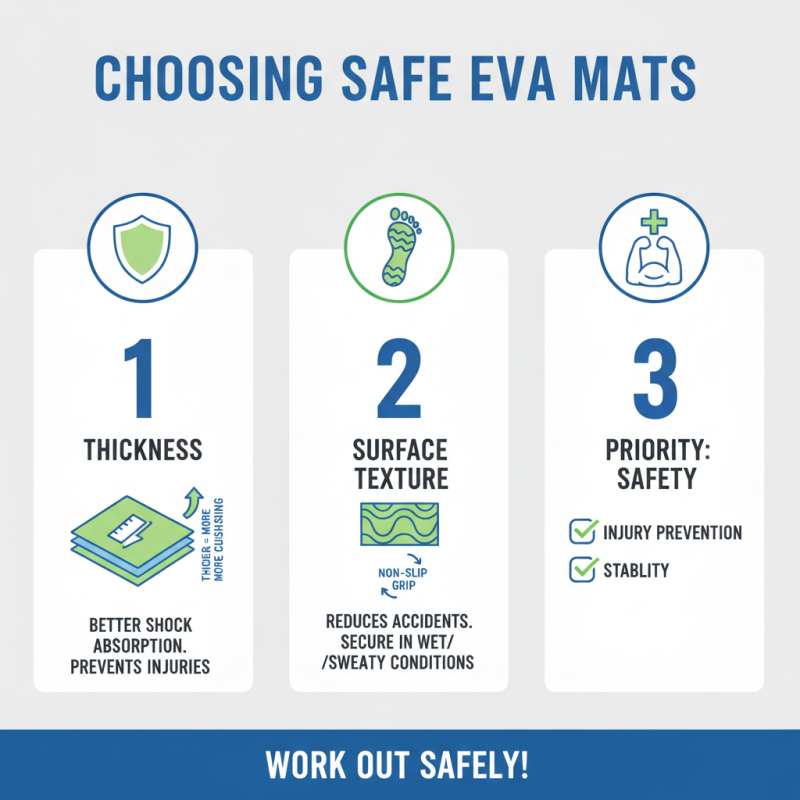
When choosing EVA mats, safety features should be a top priority. A mat’s thickness can significantly affect its cushioning ability. Thicker mats provide better shock absorption during workouts. This can help prevent injuries during high-impact activities. In addition, the surface texture also plays a crucial role. A non-slip surface can reduce the risk of accidents, especially in wet or sweaty conditions.
Consider the mats' material composition. EVA, or ethylene-vinyl acetate, is known for its durability and flexibility. However, not all EVA mats are created equal. Some may lack essential safety certifications. It's vital to look for mats tested for safety and non-toxicity. Using a mat without proper safety features can lead to adverse experiences.
Finally, think about the mat's stability. If it shifts during use, it can be dangerous. A secure grip on the floor is essential. Pay attention to the edge design as well. Rounded edges may prevent tripping but could limit space for certain exercises. Balancing between comfort and safety is not always straightforward, and trial and error may be necessary to find the best fit.
Comparing Costs vs. Benefits: Making an Informed Choice on EVA Mats
Choosing the right EVA mat can greatly impact your activities, whether it's exercise, craft, or playtime. The costs and benefits of different mats can vary widely. It's essential to weigh what you need against what you can afford. Some mats offer additional cushioning, while others might prioritize durability or portability.
**Tips:** Always consider where you will use the mat. Indoor versus outdoor settings may influence your choice. Evaluate how often you plan to use it too. A cheaper mat may wear out quickly. A higher quality mat might be a better long-term investment.
Think about the specific features useful for you. Are you looking for slip resistance? Or, do you need a lightweight mat for travel? Some padding might be nice, but overly thick mats could be hard to balance on. Reflecting on these aspects can help clarify your decision.