How to Choose the Best Foam Floor Mat for Your Needs?
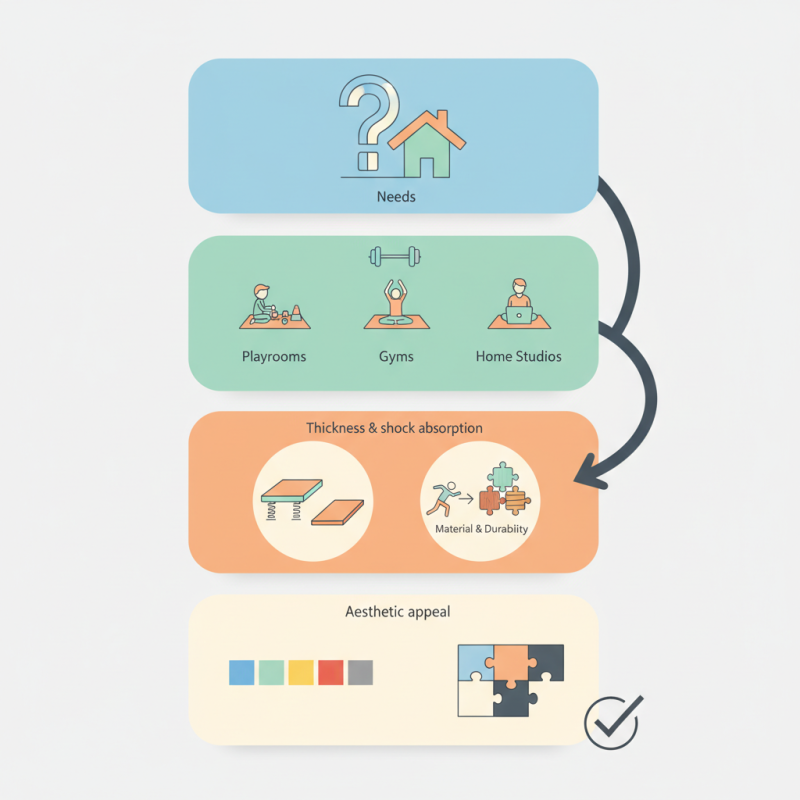
Choosing the right Foam Floor Mat is essential for comfort and safety. Whether for playrooms, gyms, or home studios, these mats serve different purposes. The variety can be overwhelming.
Different types offer distinct benefits. For instance, some mats provide extra cushioning, while others focus on durability. Consider the mat's thickness and material. Thicker mats usually offer better shock absorption. However, they may not be suitable for every space.
Aesthetic appeal also matters. Foam Floor Mats come in various colors and patterns. These can match your decor or inspire creativity in kids' play areas. Finding the best fit is essential, yet you may find some options don’t meet all your needs. Reflect on what your space requires.
Understanding the Different Types of Foam Floor Mats Available
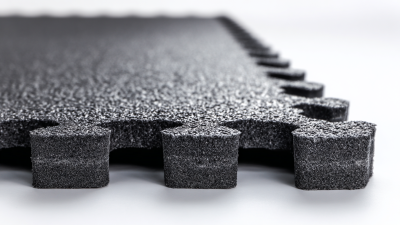
Foam floor mats come in various types, each suited for different needs. Interlocking mats are popular for their flexibility. They can be easily assembled and disassembled, making them great for temporary setups. Their soft surface works well in playrooms or workout areas. However, they might not stay in place during vigorous exercises.
Another type is the EVA foam mat. These mats are thicker and offer greater cushioning. They are ideal for areas where you stand for long periods, like kitchens or workshops. However, their weight can make them less portable. It’s important to choose a mat that balances comfort and convenience.
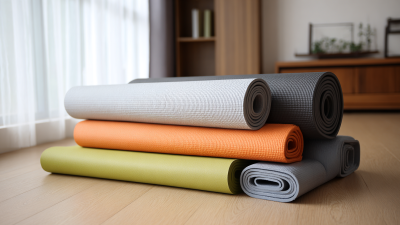
Some mats come with textured surfaces for extra grip. This feature is useful in preventing slips, especially for children or the elderly. On the downside, the texture might require more cleaning. Moreover, not all mats are suitable for outdoor use. Selecting the right mat involves thoughtful consideration of your specific needs and environment. It's essential to reflect on which features matter most in your daily activities.
Comparison of Different Types of Foam Floor Mats
Evaluating the Purpose: Play, Exercise, or Comfort Needs
Choosing a foam floor mat depends on your specific needs. Consider the primary purpose. Are you looking for safe play spaces for kids? Perhaps you need a comfortable area for workouts. Each goal requires different features in a mat.
For play areas, safety is key. Look for mats with non-toxic materials. They should also have good grip to prevent slipping. Vibrant colors and fun designs can make the space engaging. Keep in mind that not all mats are easy to clean. That's worth contemplating.
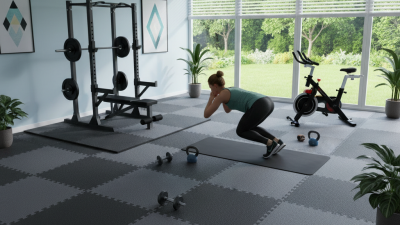
When selecting for exercise, durability becomes important. Thicker mats can handle heavy equipment or intense workouts. They should absorb shock well but remain stable. Test the mat’s firmness to ensure it suits your routine.
Tip: Always check for certifications. Look for mats that emphasize safety. This will give you peace of mind. Test different textures too. Some people prefer smoother surfaces, while others like a firmer feel.
Key Features to Consider: Thickness, Density, and Texture
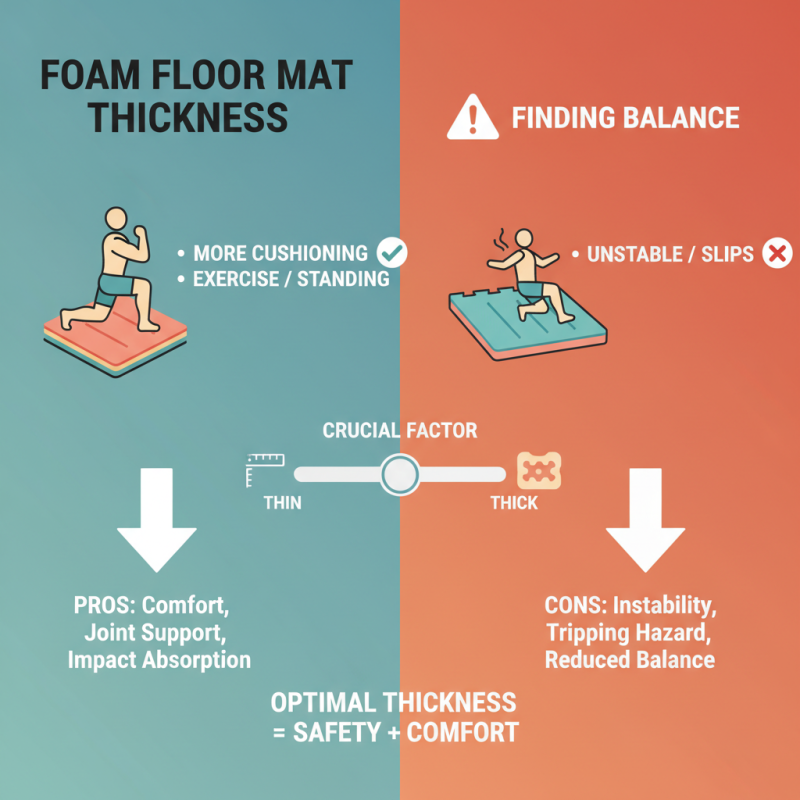
When selecting a foam floor mat, thickness is a crucial factor. Thicker mats generally provide more cushioning. This can be beneficial for activities like exercising or standing for long periods. However, it’s essential to find the right balance. An overly thick mat may feel unstable or cause slips.
Density is another key feature. This refers to how tightly packed the foam cells are. Higher density mats are often more durable and better at absorbing impact. They can withstand regular use without flattening quickly. A mat that lacks density may wear out sooner. It may not provide the support you need.
Texture also matters significantly. A textured surface can enhance grip, reducing the risk of slips. Smooth surfaces may look appealing but can be hazardous, especially when wet. Consider the activities you will perform. If you're doing yoga or workouts, a textured mat may be a better choice. Reflect on these features carefully to ensure you choose the right mat for your unique needs.
Choosing the Right Size and Shape for Your Space
Choosing the right size and shape for your foam floor mat can greatly enhance your space. Measure the area where you plan to place the mat. Consider the dimensions carefully. A mat too small may feel out of place. One that is too large can overwhelm the room.
Pay attention to the layout of your area. A square mat may suit a smaller room, while a rectangular shape might be ideal for hallways. Experiment with different orientations to see what feels best. Don't be afraid to mix and match shapes if your space allows.
Tips:
Use painter’s tape to outline the dimensions on the floor. This helps visualize the size and shape. Step back and observe how it fits with other elements. Consider furniture placement as well. Your mat should complement your decor, not clash with it.
Be mindful of the color and pattern too. Bold designs can dominate a small space. Choosing a simple, neutral mat can create a balanced look. If it's not working, don’t hesitate to reassess your choices. Adjust until everything feels just right.
Assessing Durability and Maintenance Requirements of Foam Mats
When selecting foam floor mats, durability is crucial. Reports indicate that high-density foam mats can withstand heavy usage. These mats resist wear and tear, making them suitable for gyms and play areas. A good foam mat should last 5 to 10 years depending on usage. However, not all foam mats are created equal. Some may look sturdy but can degrade quickly.
Maintenance is another important factor. Many foam mats are water-resistant, making cleaning easier. A simple damp cloth often suffices. However, certain mats absorb stains. This can be frustrating if you have kids or pets. Regular cleaning routines can help maintain their appearance.
Some users overlook the importance of checking maintenance needs. Mats with removable covers tend to be easier to clean. Consider the time you want to invest. Cheaper mats may save money upfront but can lead to more maintenance. In the long run, you might spend more. Make thoughtful choices to ensure you don’t regret your decision later.