How to Choose Foam Gym Floor Mats for Your Home Gym?
When creating a home gym, choosing the right flooring is crucial. "Foam Gym Floor Mats are essential for comfort and safety during workouts," says fitness expert John Smith. These mats provide cushioning, reduce noise, and protect your floors. With many options available, selecting the best mats can feel overwhelming.
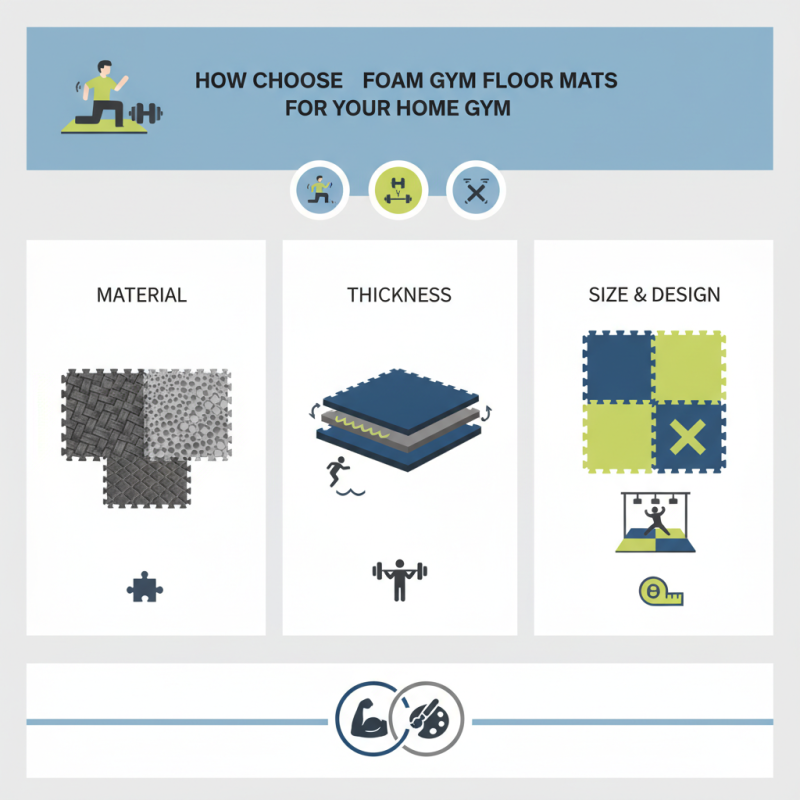
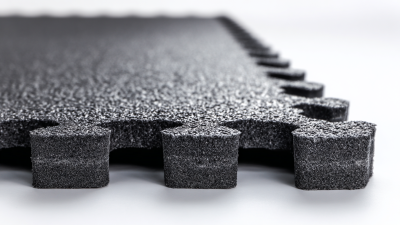
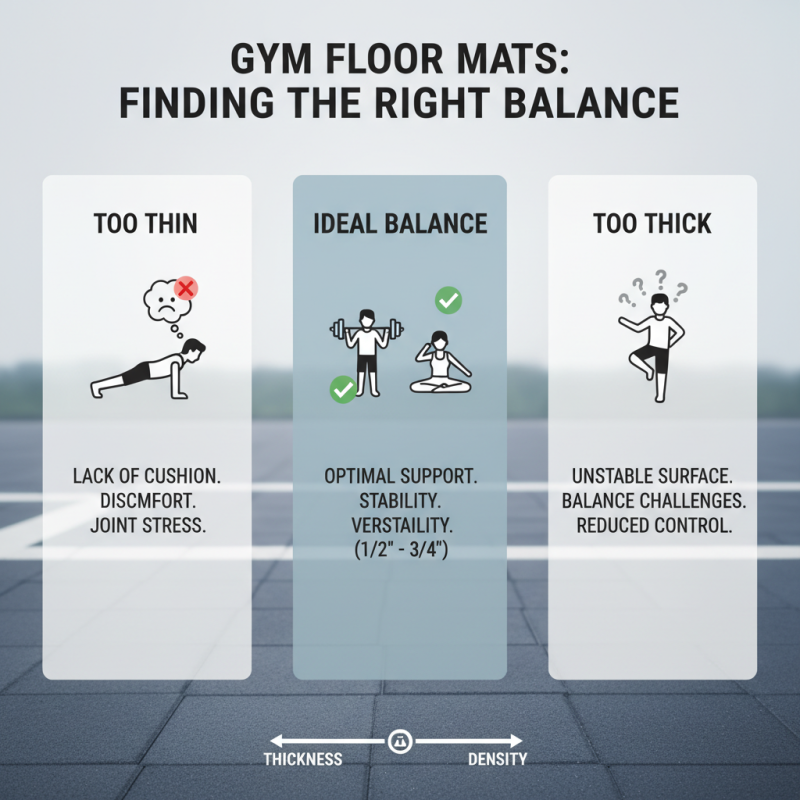
Consider the material, thickness, and size of the foam mats. Thicker mats offer better shock absorption, which is important for high-impact exercises. On the other hand, some mats may be too soft, leading to instability during lifts. It’s crucial to find a balance that suits your workout style.
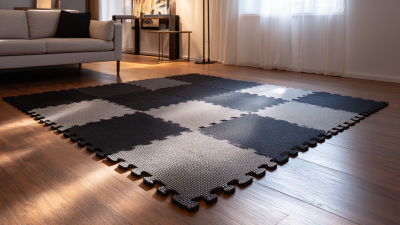
Additionally, the aesthetic appeal of your gym is worth considering. Color and design can enhance your motivation. However, it’s easy to get distracted by looks and overlook functionality. Focus on finding Foam Gym Floor Mats that meet both your performance and design needs.
Understanding the Importance of Foam Gym Floor Mats in Home Gyms
Foam gym floor mats
are essential for any home gym. They provide cushioning and support during workouts. According to a 2022 study by the National Academy of Sports Medicine,
over 70% of home gym users reported fewer injuries when using proper flooring. This statistic highlights the importance of
choosing the right mats for safety.
Additionally, foam mats help reduce noise and absorb shock. Without these characteristics, your neighbors might hear every jump and thud. In urban areas, this can be particularly challenging.
Data from the Fitness Equipment Research Institute indicates that sound-dampening materials can lower noise levels by up to
25 dB. This means peace for you and your neighbors.
However, not all mats are created equal. Some lower-quality options may not hold up under heavy use. A 2023 survey of fitness enthusiasts revealed that
60% experienced wear on mats within just six months. It’s crucial to consider thickness, density, and material when selecting your floor.
A little research goes a long way in making an informed choice that balances budget and durability.
Evaluating Different Types of Foam Materials for Gym Mats
When selecting foam gym floor mats, the type of foam material greatly affects performance and comfort. Common choices include EVA foam, PU foam, and rubber foam. EVA foam is lightweight and offers moderate cushioning. It’s great for yoga or light exercises. PU foam is denser and provides better shock absorption, making it ideal for high-impact workouts. Rubber foam is the most durable option, perfect for heavy lifting but can feel harder underfoot.
Tips: Consider your workout routines when choosing foam types. If you are into martial arts, opt for thicker mats. Mats with interlocking edges can create a seamless floor layout.
Different foam materials have distinct characteristics. EVA foam is often affordable but may wear down faster. PU foam tends to have a higher price but might be worth it for frequent use. Rubber foam is heavy but can withstand intense activities. Analyze how much wear and tear your mats may endure to avoid unexpected costs. Choosing the right foam is essential but remember not all options suit every workout. Always prioritize your specific needs.
Assessing Slip Resistance and Durability in Foam Mats
When selecting foam gym floor mats, assessing slip resistance is crucial. Mats with inadequate grip can lead to accidents. Look for textured surfaces. These provide better traction, especially during high-intensity workouts. Perform a simple test. Place a shoe on the mat and see if it slides easily. If it does, consider other options.
Durability is another key measure. Quality foam mats should withstand wear and tear over time. Check the material thickness. Thicker mats typically offer better shock absorption and long-lasting performance. Inspect for any signs of wear before purchasing. If possible, read reviews on the durability of specific materials.
Tips: Always consider your workout's intensity. High-impact activities may require thicker, more durable mats. Take time to assess your space before making a decision. A poorly chosen mat can affect your workout experience. Checking for certifications on safety standards might also help in making the right choice. Safety and performance should always go hand in hand.
Assessment of Foam Gym Floor Mats: Slip Resistance and Durability
Measuring Your Space and Choosing the Right Mat Size for Your Gym
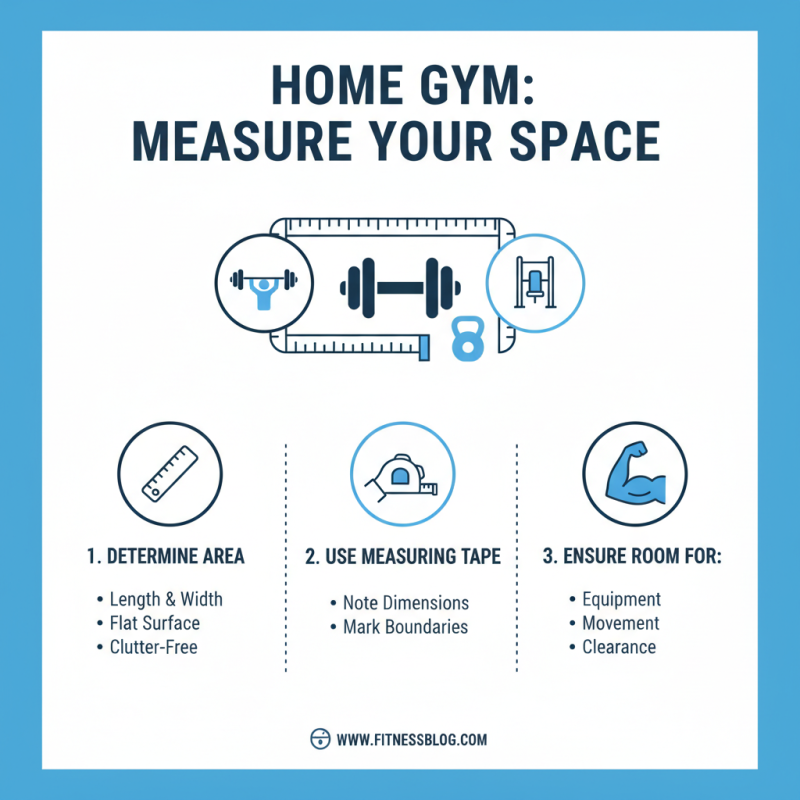
When setting up a home gym, measuring your space is crucial. Start by determining the dimensions of your workout area. A flat surface is ideal, free from clutter. Using a measuring tape, note the length and width. Ensure there’s enough room for equipment and movement.
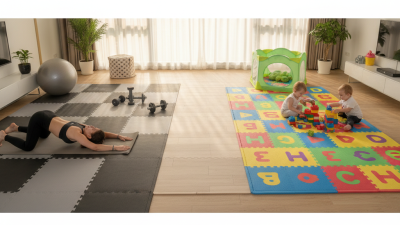
Choosing the right mat size depends on your workouts. If you do yoga, a smaller area may suffice. For weightlifting, larger mats offer better protection for your floors. Think about the types of exercises you’ll perform. If you plan to do high-impact workouts, more coverage is essential.
Consider your mat's thickness too. Thicker mats provide more cushioning but may occupy more space. If your area is limited, a balance is needed. Don’t forget the edges! Ensure they fit snugly or overlap, preventing tripping hazards. Measure twice to avoid costly mistakes. Each mat will affect your gym’s aesthetics, so choose colors that inspire you.