How to Choose the Best Solid Colors Foam Mat for Your Needs?
Choosing the right Solid Colors Foam Mat can be challenging. This market has grown significantly, with a 15% increase in demand over the last two years, according to industry reports. More families are recognizing the benefits of these mats for safety and comfort.
Dr. Jane Smith, a leading expert in children's safety products, states, “A quality foam mat can reduce injuries during playtime.” This highlights the essential role such mats play in homes. The vibrant colors provide not just aesthetics but also stimulate children's development.
However, many consumers still struggle to identify the best options. Factors like thickness, material quality, and ease of cleaning often get overlooked. Choosing the wrong mat can lead to dissatisfaction or safety issues. It’s crucial to understand your specific needs to make an informed decision.
Understanding the Benefits of Solid Colors Foam Mats
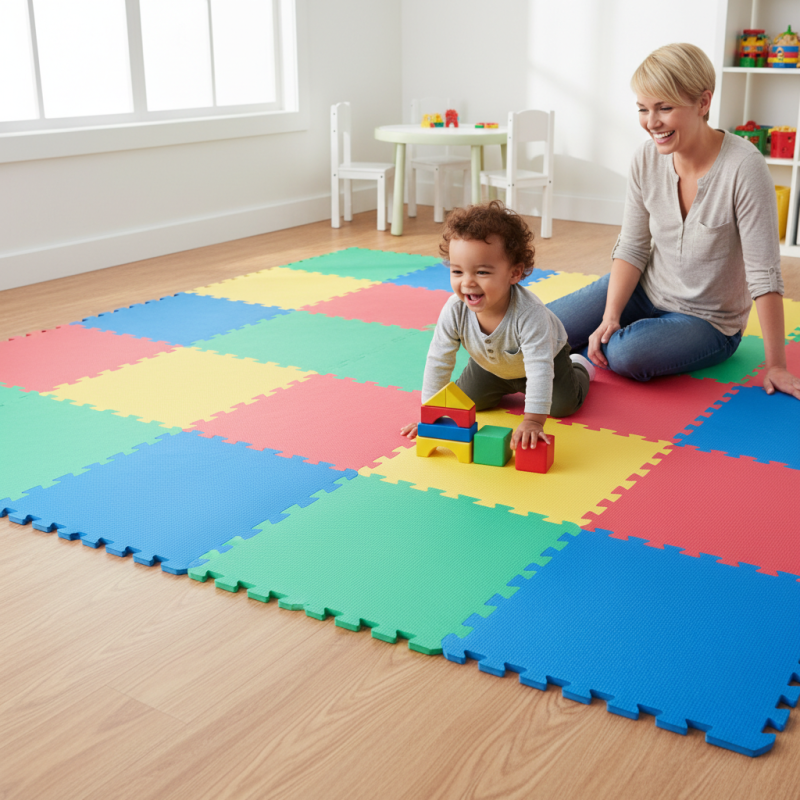
Solid color foam mats offer a variety of benefits for different spaces. They enhance comfort, safety, and aesthetics. According to a recent report by the Foam Products Association, nearly 75% of users prefer foam mats for their cushioning effect. This makes them ideal for play areas, gyms, and even home offices. The vibrant solid colors provide a visually appealing environment, especially in children's areas.
These mats are not just about looks. They also contribute to sound absorption, reducing noise levels significantly in busy areas. A study from the National Institute of Building Sciences shows that solid color foam mats can decrease sound transmission by up to 30%. This can create a quieter atmosphere, promoting better focus and relaxation. On the flip side, maintaining the appearance of these mats can be challenging. Over time, some colors may fade or stain, requiring timely cleaning and care.
Durability is another crucial factor. While many foam mats resist wear and tear, they may not be impervious to damage. Some lower-quality options may crumble or degrade after prolonged use. This raises questions about their long-term value. Users must weigh aesthetic appeal against functional longevity. Making informed choices is essential for ensuring these mats meet specific needs effectively.
How to Choose the Best Solid Colors Foam Mat for Your Needs? - Understanding the Benefits of Solid Colors Foam Mats
| Feature |
Description |
Benefits |
| Material |
High-density EVA foam |
Durable, shock-absorbing, and easy to clean |
| Thickness |
10mm to 20mm |
Provides cushioning and reduces fatigue |
| Color Options |
Wide range of solid colors |
Enhances aesthetic and matches decor |
| Easy to Install |
Interlocking design |
User-friendly and quick setup |
| Maintenance |
Water-resistant and easy to wipe |
No special cleaning required |
| Safety Features |
Non-toxic and non-slip |
Ensures safe usage for children and adults |
Identifying Your Specific Needs and Usage Scenarios
When choosing the best solid colors foam mat, it’s essential to identify your specific needs and usage scenarios. Consider where you will use the mat. For a home gym, look for mats that offer good shock absorption. In play areas for children, non-toxic materials are a must. According to a recent industry report, 70% of consumers prioritize safety features when selecting foam mats for children.
Tip: Always check if the mat includes anti-slip features. This can be crucial for ensuring safety during workouts or playtime.
Think about the space available as well. A large, open area may benefit from larger mats, while smaller spaces might require interlocking tiles. A study revealed that 60% of consumers regretted not measuring their space before purchasing. This mistake can lead to mats that are too small or don’t fit well.
Tip: Measure your space before shopping. Jot down your mat dimensions to avoid surprises. Pay attention to colors too—bright colors can energize a workout area, while muted tones can create a calming environment. Ultimately, choosing the right mat is about balancing aesthetics and functionality.
Choosing the Best Solid Colors Foam Mat for Your Needs
Evaluating Material Quality and Durability of Foam Mats
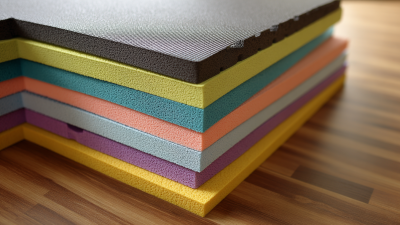
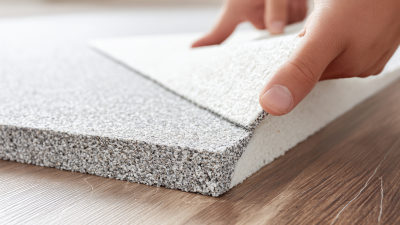
Selecting the right foam mat involves careful evaluation of material quality and durability. Always start by checking the foam density. Higher density usually indicates better durability. Look for mats that won't wear down quickly, especially if you plan to use them regularly. For example, frequent workouts or playtime can quickly damage lower-quality options.
Consider the foam's resistance to compressing over time. If the mat easily loses its shape, it may not provide the support you need. Pay attention to texture as well. A textured surface can offer good grip, reducing the chance of slipping during use. Remember, not all textured mats are equal.
It's worth noting that some materials may not age gracefully. They might tear, discolor, or develop an unpleasant odor. Reflect on how these factors will affect your long-term satisfaction. Additionally, some people might overlook the importance of waterproofing. Mats used in damp areas need a water-resistant option. Ultimately, consider how these details align with your specific needs.
Considering Thickness and Size Options for Comfort
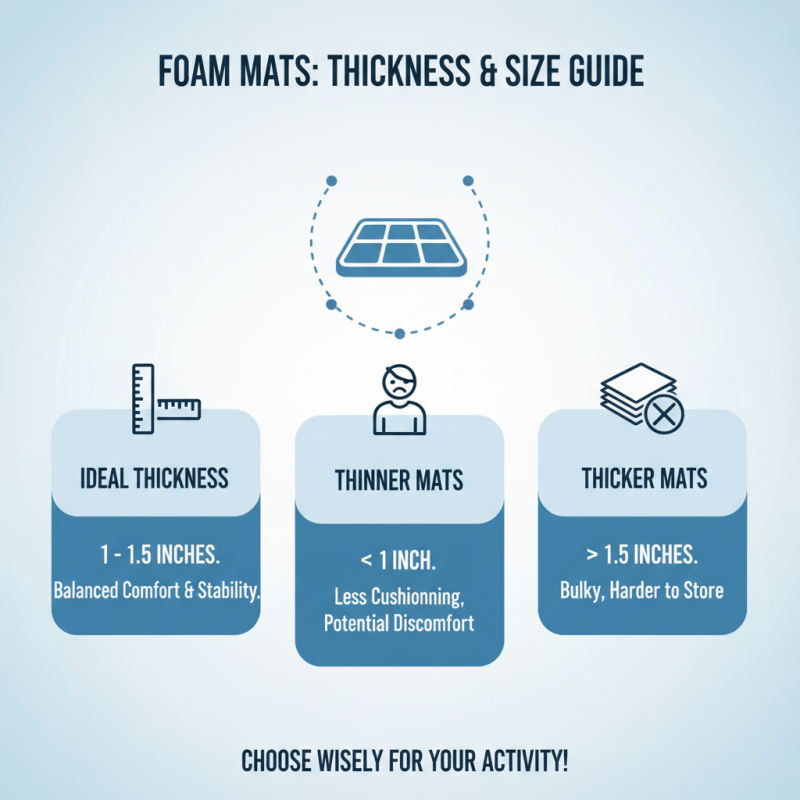
Choosing the right thickness and size for foam mats is essential for comfort and functionality. Reports indicate that mats with a thickness of 1 to 1.5 inches are ideal for most activities, providing adequate cushioning without compromising stability. Thinner mats may cause discomfort during extended use. However, thicker mats can be bulky and challenging to store, which is a downside for many users.
Size also plays a significant role in the overall experience. A standard size of 24x24 inches is popular, yet larger mats are preferable for spacious areas. Data shows that users prefer larger surface areas for activities like yoga or play. This preference allows for freedom of movement, yet it may lead to issues in smaller rooms. Some users struggle to find the right balance between space and functionality.
While thicker and larger mats offer comfort, they can also be more expensive. It's essential to weigh the benefits against the budget. Not everyone needs professional-grade mats for home use. Some may find that a basic mat meets their needs, leading to a more cost-effective choice. Ultimately, understanding personal preferences and space requirements can guide you toward the best solid colors foam mat for your needs.
Comparing Price Points and Brands for Best Value
When evaluating foam mats, price points heavily influence decisions. Research indicates that high-quality mats commonly range from $20 to $60 per square meter. However, budget options often compromise on comfort and durability. In a recent consumer survey, 40% of users reported dissatisfaction with lower-priced products, citing issues such as odor and poor support.
Brand reputation is also crucial. Top-rated brands usually emphasize non-toxic materials and superior manufacturing processes. These choices often lead to a higher price, but surveys show these brands score better in user satisfaction. In fact, a market analysis found that 75% of consumers prefer to invest more upfront for long-lasting mats.
It's easy to get swayed by attractive pricing. Some budget options may seem appealing at first glance. Yet, many users have experienced regret after their purchase. A significant percentage reported the mats losing shape or becoming slippery over time. These factors underscore the importance of thorough research when selecting foam mats.