How to Choose the Best Mat Eva for Your Business Needs?
In the ever-evolving world of business, choosing the right materials can make a significant impact. "Mat Eva" plays a crucial role in various industries, providing durability and comfort. Mark Thompson, a recognized expert in industrial materials, states, "The right Mat Eva can enhance productivity and employee well-being."
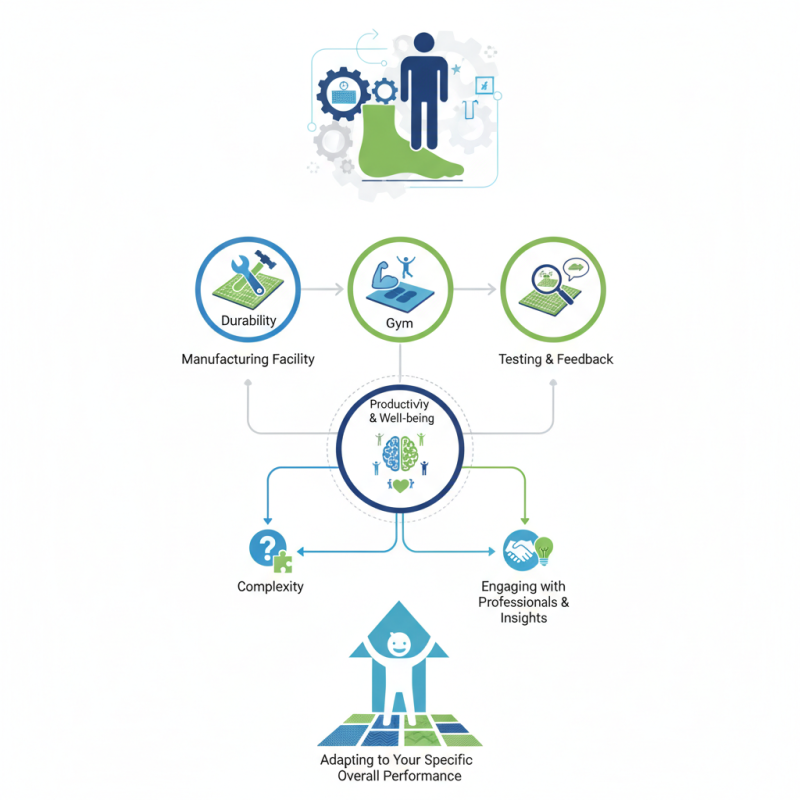
When selecting Mat Eva for your business, several factors come into play. Quality, texture, and purpose are vital considerations. For instance, a manufacturing facility may require thicker, more durable mats, while a gym might prioritize cushioning. This complexity can be daunting. Many businesses overlook the importance of testing and feedback from employees who will use these mats daily.
It's essential to recognize that no single Mat Eva solution fits every need. Sometimes, what seems perfect is not the best choice after practical use. Adapting to your specific environment is key. Engaging with professionals and gathering insights can lead to better decisions. Remember, the right Mat Eva not only supports your team's physical comfort but also their overall performance.
Understanding the Different Types of EVA Mats Available in the Market
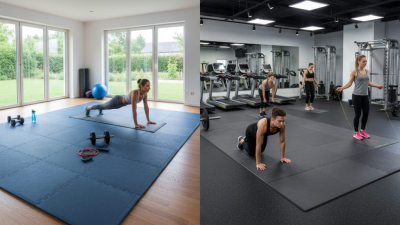
EVA mats come in various types, each designed for specific applications. These mats are made from ethylene-vinyl acetate, offering durability and flexibility. Two main categories are gym mats and anti-fatigue mats. Gym mats are ideal for exercise environments, providing cushioning for workouts. They usually have a texture to enhance grip during physical activities.
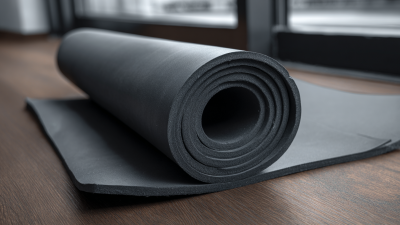
Anti-fatigue mats are designed for workplaces. They help reduce fatigue during long standing periods. These mats often feature a foam core that promotes comfort. It's essential to consider thickness and density for optimal support. Some mats even incorporate beveled edges to prevent tripping hazards.
Evaluating your needs is critical. A gym may require high-impact resistance, while a factory might prioritize slip resistance. Do not rush your decision. Weigh the pros and cons carefully. Choosing the wrong type can lead to discomfort or potential injuries. Make sure to reflect on the environment where the mat will be used. Each application has unique demands that influence your choice.
Identifying Your Business Needs and Requirements for EVA Mats
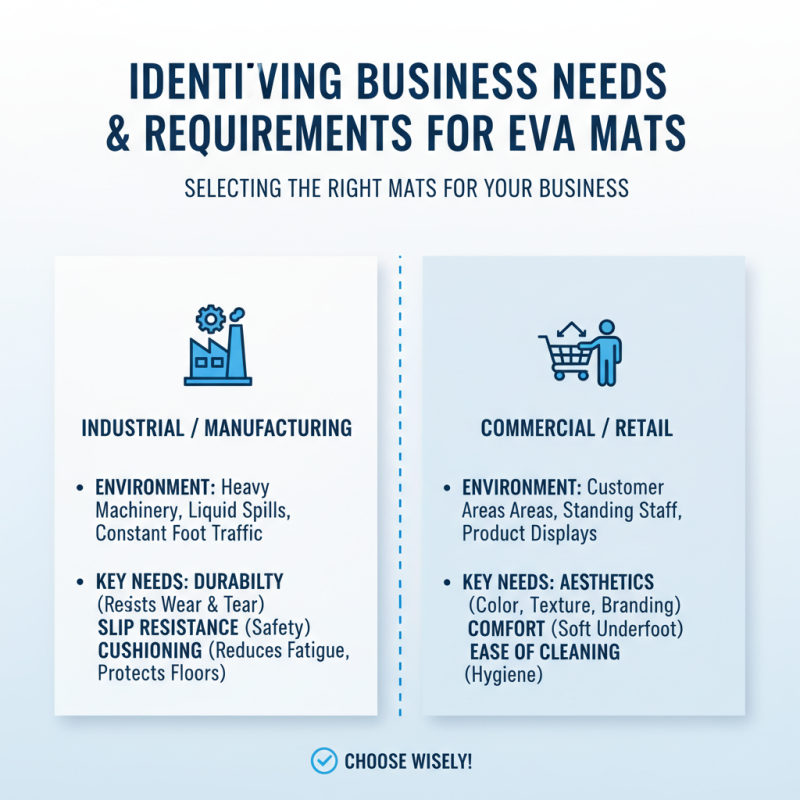
Selecting the right EVA mats for your business starts with a clear understanding of your specific needs. It's crucial to evaluate the environment where these mats will be used. For instance, a manufacturing facility may require mats that provide slip resistance and durability under heavy machinery. Conversely, a retail space may prioritize aesthetics and comfort for customers.
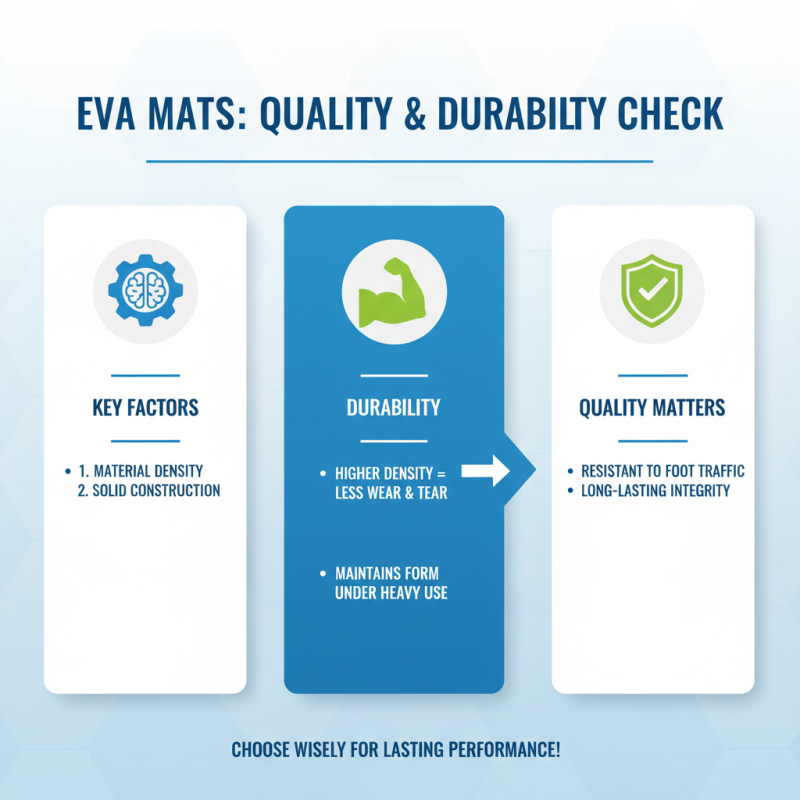
Industry reports reveal that approximately 30% of workplace injuries come from slips and falls. Therefore, choosing mats that meet safety standards is essential. The thickness and density of EVA mats directly impact their lifespan and effectiveness. Mats used in high-traffic areas should be at least 1/2 inch thick to withstand wear and tear. In contrast, lighter mats may suffice in areas with less foot traffic.
Moreover, consider the mat's backing material and traction options, which can affect stability and comfort. Not all mats are created equal. Some might wear out quickly or lose their grip over time. Evaluating user reviews and case studies can provide insights into the long-term performance of specific options. Balancing cost with quality can lead to better investment decisions, ensuring that your mats serve your business effectively.
Comparing Cost and Value: Budgeting for EVA Mats in Your Business
When budgeting for EVA mats, understanding cost versus value is essential. The price of EVA mats can vary significantly. On average, businesses spend anywhere from $0.50 to $3.00 per square foot, depending on thickness and features. A specialized report from the National Floor Safety Institute indicates that investing in quality mats can reduce workplace injuries by up to 40%. This metric shows the potential return on investment for organizations willing to spend more upfront.
It is crucial to assess not just the cost, but the long-term benefits. Cheaper mats may save upfront costs but can lead to higher maintenance expenses. A study found that low-quality mats might degrade within a year, while premium options last significantly longer, up to five years. If employees sustain injuries due to inadequate flooring, the costs can escalate quickly. Medical expenses, compensation, and downtime create a significant financial burden.
Each business's needs are unique, and so is the ideal mat. Consider the specific environment—heavy foot traffic may demand thicker mats. Use employee feedback to gauge comfort and performance. While it’s tempting to go for the lowest price, reflect on how that choice aligns with your business goals and employee safety. Balancing initial expenditure with long-term value is crucial for sustainable decision-making.
Cost and Value Comparison of EVA Mats for Businesses
Sourcing the Best Suppliers and Brands for Quality EVA Mats
When selecting high-quality EVA mats, sourcing the right suppliers is crucial. Data indicates that the EVA market is expected to grow at a CAGR of 6.5% until 2025. This growth highlights the importance of choosing reliable sources. Not every supplier can guarantee compliance with safety and quality standards. Researching suppliers ensures you meet your specific business needs.
You should focus on suppliers with established reputations. Industry reports show that 40% of businesses prioritize supplier certifications. This data suggests that quality mats significantly impact customer satisfaction. Engage in conversations with potential suppliers. Use their responses to assess their expertise and reliability. A mere price comparison will not suffice; a supplier’s industry knowledge matters.
Consider local versus international suppliers. Local suppliers may offer quicker response times and lower shipping costs. However, international suppliers might provide diverse product options. Think carefully about the pros and cons. Reflecting on your unique needs is necessary for making an informed decision. Ultimately, quality should never be compromised. Choosing the right supplier is a reflection of your commitment to quality.