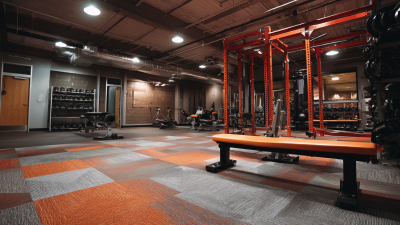
2026 How to Choose the Best Gym Flooring for Your Needs?
Choosing the right Gym Flooring is crucial for any fitness facility. According to a report by Allied Market Research, the global gym flooring market is projected to reach $3.6 billion by 2026. This growth emphasizes the importance of selecting flooring that meets both aesthetic and functional needs.
Gym flooring options vary widely, and each type has specific benefits and drawbacks. "Investing in quality gym flooring can enhance user experience and ensure safety," says John Smith, a renowned expert in gym design. His insights reveal how flooring impacts performance and injury prevention.
Often overlooked, the choice of flooring can significantly affect equipment longevity and maintenance costs. High-quality materials provide durability, yet the upfront investment can be daunting. Exploring different types of flooring and their specifications can lead to smarter decisions. Thoughtful consideration of these factors will pave the way for a space that supports both fitness goals and operational effectiveness.

Understanding Different Types of Gym Flooring Materials
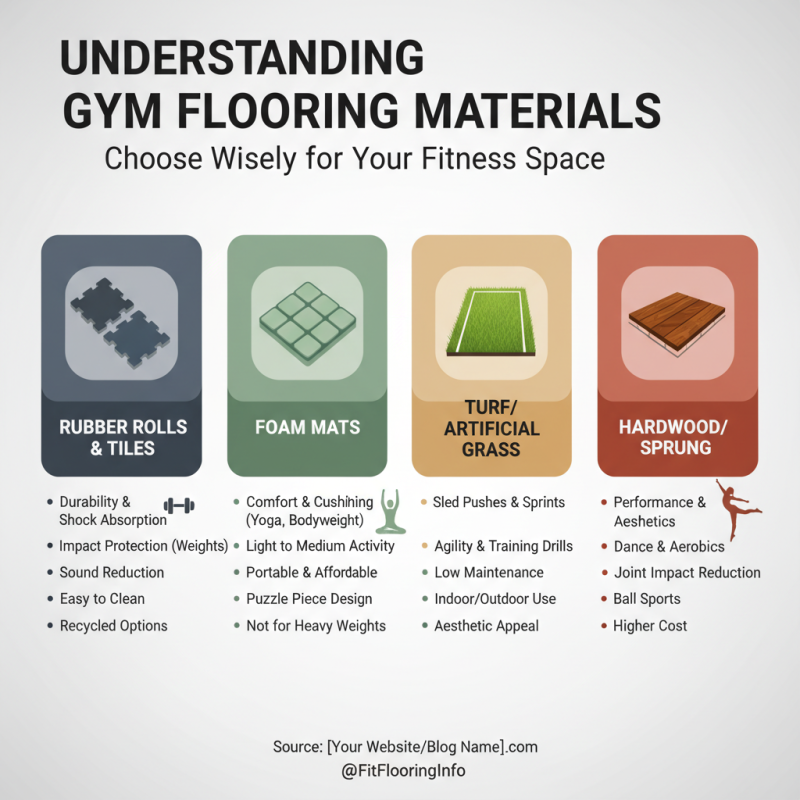
Choosing the right gym flooring is essential for any fitness space. Various materials offer unique benefits and drawbacks. Understanding these types can help you make an informed choice.
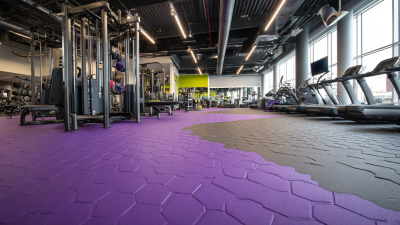
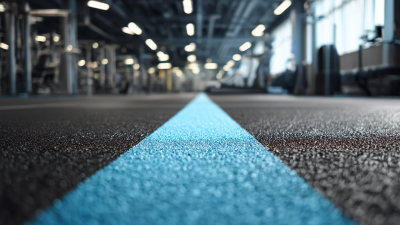
Rubber flooring is a popular option due to its durability and shock absorption. This material can withstand heavy weights and rigorous workouts. However, it may not be the best choice for aesthetic appeal. Consider the thickness when buying, as a thicker floor provides more cushioning.
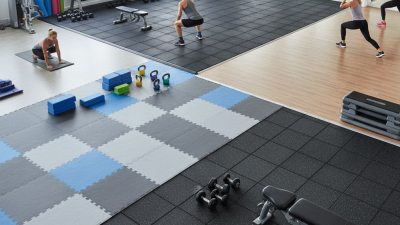
Foam tiles are lightweight and easy to install, making them ideal for home gyms. They offer comfort underfoot but may lack long-term durability. If you're concerned about aesthetics, foam tiles come in different colors and designs, enhancing your space.
When evaluating flooring options, think about your specific needs. Will it be used for heavy lifting or cardio? Your activities dictate the best materials. Always check for slip resistance, especially in high-traffic areas. The right flooring enhances safety and performance, so choose wisely.
Evaluating Durability and Maintenance Needs for Gym Flooring
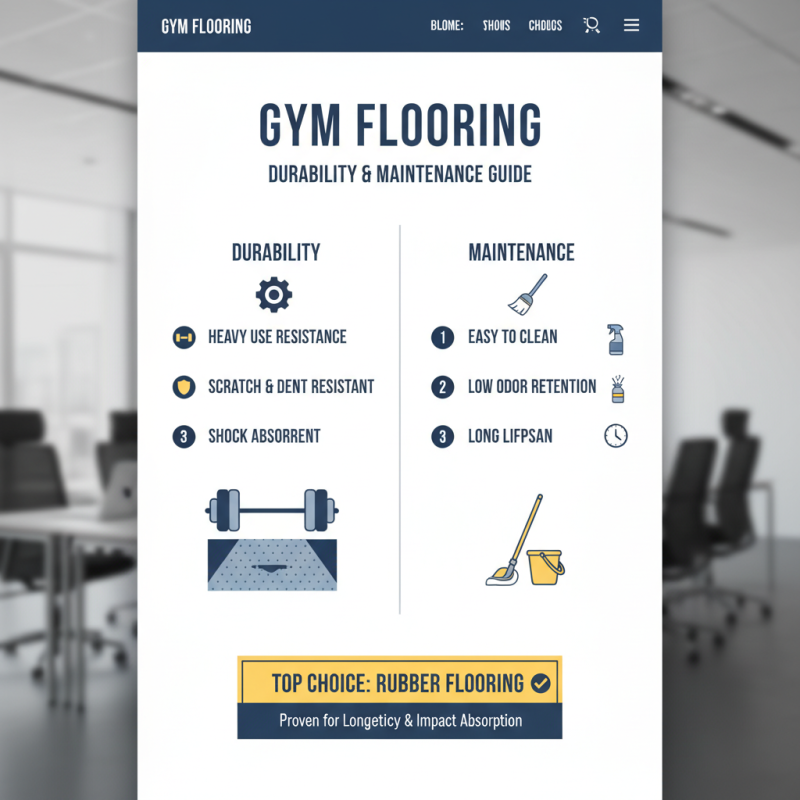
When selecting gym flooring, durability and maintenance are key factors. The surface must withstand heavy use. Common activities can cause wear over time. Choose materials that resist scratches and dents. Rubber is often a popular choice for its shock absorption and longevity.
Maintenance is equally important. Some flooring types require regular cleaning and special care. For example, hardwood needs refinishing every few years. On the other hand, vinyl can be easier to maintain. It's often water-resistant, which helps prevent mold and mildew. Regular sweeping and occasional mopping keep it looking fresh.
Consider your gym's specific needs. Is it a multi-purpose space or focused on heavy lifting? Different activities put varying stress on flooring. Reflect on your gym routines and how they can impact longevity. Make an informed choice based on your use, maintenance commitment, and aesthetic preferences.
Assessing Safety Features and Slip Resistance in Flooring Options
When choosing gym flooring, safety features and slip resistance are crucial. High-traffic workout areas require surfaces that prevent falls. You want a floor that provides stable footing, especially when sweating. Many materials are available, including rubber, foam, and wood. Each type has its own level of grip.
Consider the texture of the flooring. A textured surface enhances slip resistance, while a smooth finish can be riskier when wet. Evaluate how the flooring performs under various conditions. Wet floors can be a significant hazard during high-intensity workouts. It’s advisable to consult with experts or read reviews before making a choice. Visualizing the flooring in your space can help.
Tip: Always test samples in your environment. Walk on them when dry and wet. This gives you insight into how the material behaves in real-life conditions.
Another tip involves checking the manufacturer's safety ratings. Look for certifications that endorse slip resistance.
Ultimately, make a decision that fits your safety needs. You might find that a more expensive option brings better long-term value. Reflect on the activities you'll do on this surface to help guide your selection. Remember, the right flooring can enhance both safety and performance in your gym.
Determining Comfort and Shock Absorption for Fitness Activities
When choosing gym flooring, comfort and shock absorption are crucial. According to a recent study by the National Institutes of Health, athletes experience a 30% reduction in injuries when training on appropriate flooring. This emphasizes the importance of selecting the right material for workouts. Floors that absorb shock help prevent stress on joints, especially during high-impact activities.
Rubber flooring is popular for its excellent shock absorption qualities. It provides a cushioned surface that reduces the impact on knees and ankles. Meanwhile, foam tiles are lightweight and portable, making them a versatile option for home gyms. However, they can wear out quickly, needing replacement sooner than more durable options. The choice depends on balancing comfort, durability, and your fitness routines.
Impact absorption isn't the only factor to consider. Flooring texture influences safety. Smooth surfaces can lead to slips. Textured options provide better grip, especially when sweating. A 2022 report from the International Journal of Sports Medicine highlighted that flooring with adequate texture decreased fall rates by 25% during aerobic workouts. Consider these elements carefully to ensure a safe and comfortable workout environment.
Considering Cost and Installation Factors in Your Flooring Choice
When selecting gym flooring, cost and installation are key factors to consider. The price of materials can vary widely, from budget-friendly options to more expensive choices. Cheaper flooring may save you money upfront, but it might not last long. Analyze your budget and calculate long-term costs.
Installation is another crucial aspect. Some flooring types require professional installation, adding to your overall budget. Other options may be DIY-friendly, saving you money. However, the quality of installation greatly impacts the flooring’s performance. Poor installation can lead to issues like uneven surfaces or premature wear.
Consider the space you’re working with. High-traffic areas need durable materials. Look into options that offer cushioning and slip resistance. Think about maintenance as well. Harder surfaces might need more upkeep while softer flooring could be easier to clean. Balancing cost, installation, and your specific needs will lead to a more informed decision.