How to Choose Safe Foam Bath Toys for Your Child?
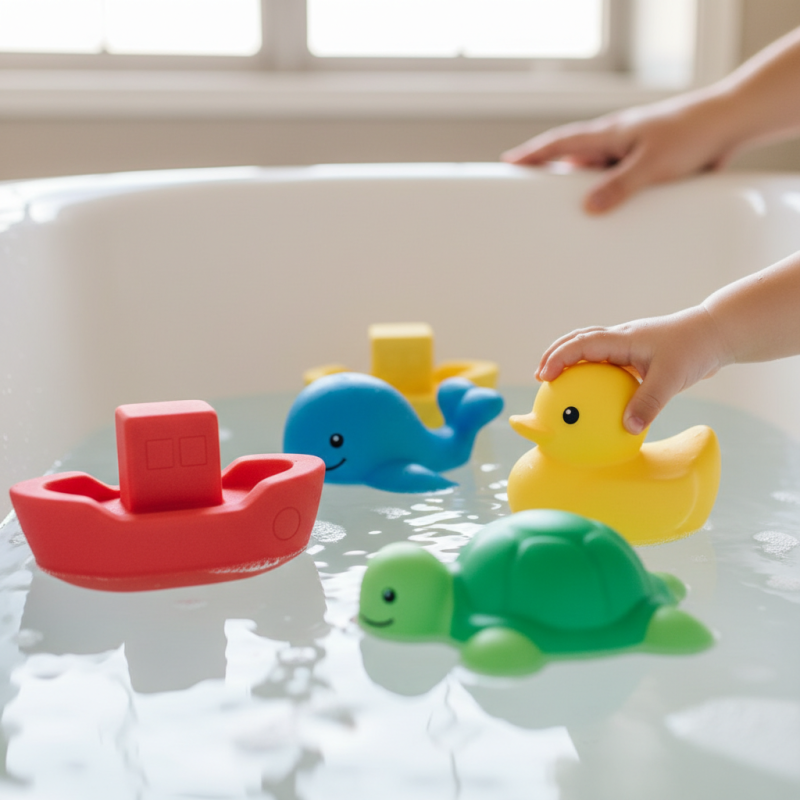
When it comes to choosing safe foam bath toys for your child, safety is paramount. Foam bath toys can bring joy and creativity to bath time. However, not all foam toys are created equal. Some may contain harmful chemicals that can pose risks to your child’s health.
Consider the materials used to make foam bath toys. Non-toxic and BPA-free materials are essential. Look for products labeled as safe for children. Pay attention to the size and shape of the toys. Small parts can be a choking hazard. Choose larger toys that are easy for little hands to grasp.
Even with careful choices, accidents can happen. It's crucial to supervise your child during bath time. Regularly inspect the toys for wear and mold, as these can lead to health issues. Ultimately, making informed decisions will help create a safe and enjoyable bathing experience.
Understanding Foam Bath Toys: Safety Standards and Regulations
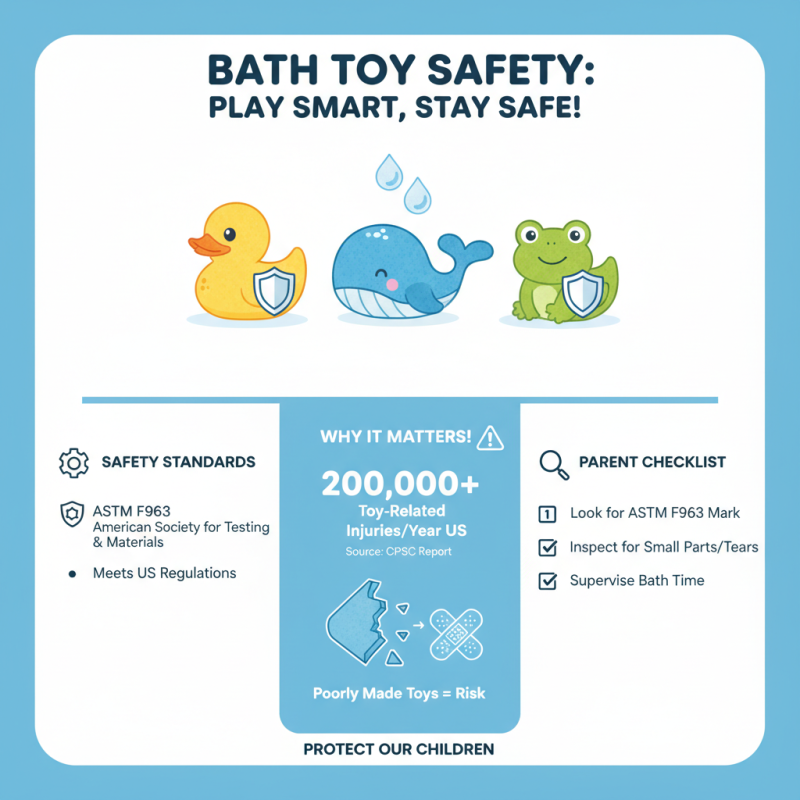
When selecting foam bath toys, safety standards are crucial. These toys should meet regulations set by the American Society for Testing and Materials (ASTM). According to a report by the Consumer Product Safety Commission (CPSC), about 200,000 toy-related injuries occur each year in the U.S. Many of these incidents involve poorly made bath toys.
Foam bath toys should be free from harmful chemicals like phthalates and formaldehyde. Research indicates that exposure to such chemicals can affect children's health. Not every foam bath toy on the market guarantees safety. It's vital to check if they comply with safety certifications. Look for labels indicating compliance with ASTM and CPSC standards.
Inspecting the design is equally important. Toys should not have small parts that kids could swallow. Soft foam can harbor mold if not dried properly. Many parents underestimate this risk. They may assume that rinsing toys is sufficient. Regularly inspect and clean bath toys to prevent mold growth. Understanding these safety standards can help ensure a safer bath time experience for your child.
Materials to Avoid in Foam Bath Toys for Child Safety
When selecting foam bath toys for children, it’s crucial to be aware of materials to avoid. Many foam toys can harbor harmful substances. Some toys contain phthalates, which are harmful chemicals linked to health risks. These should be avoided at all costs. Always check labels and safety certifications before purchasing.
Another material to steer clear of is toxic dyes. Bright colors may catch your child's attention, but they can contain harmful pigments. Some may even leach into the water during bath time. Look for toys made with natural, non-toxic colors instead. Non-absorbent materials are safer as well. Toys that soak up water can harbor mold and bacteria, posing serious risks to children's health.
It can be tempting to choose the cheapest options available, but this often compromises safety. Some inexpensive toys might look fun but may be made from low-quality foam. These toys can easily break apart, creating small pieces that are choking hazards. Prioritizing quality is essential. Each choice shapes your child's safety and enjoyment in the bath.
Comparison of Safe and Unsafe Materials in Foam Bath Toys
Identifying Safe Foam Bath Toys: Key Features to Look For
When selecting safe foam bath toys, focus on material safety. Choose toys made from non-toxic foam. Look for BPA-free and phthalate-free options. These chemicals can pose risks to your child's health. Soft foam materials are gentle on skin. They won’t cause injuries during playtime.
Next, check for washable designs. Mold can accumulate in wet toys, posing risks to health. Opt for bath toys that can be easily cleaned. Some designs even allow you to remove and wash the foam. This can be a hassle but is necessary for hygiene. Bright colors in foam toys can also be appealing to children. However, ensure these dyes are non-toxic.
Size matters as well. Foam toys should be large enough to avoid choking hazards. Avoid small parts that can break off. Some shapes might look cute but can pose dangers. Not every toy will be perfect, and that’s okay. Regular inspection for wear and tear is essential for safety.
How to Choose Safe Foam Bath Toys for Your Child?
| Feature |
Description |
Importance |
| Material |
Made of non-toxic, BPA-free foam |
Ensures safety and reduces risk of harmful chemicals |
| Design |
Soft edges and no small parts |
Prevents injuries and choking hazards |
| Mold Resistance |
Materials that resist mold and mildew |
Maintains hygiene and protects child's health |
| Coloring |
Bright colors using child-safe dyes |
Enhances visual interest and enjoyment |
| Age Appropriateness |
Suitable for the child's age group |
Ensures that the toy meets developmental needs |
Tips for Cleaning and Maintaining Foam Bath Toys
Cleaning foam bath toys is essential. These toys can harbor mold and mildew if not maintained properly. After every use, rinse the toys with fresh water. This step removes soap and dirt. It’s a simple task, yet often overlooked. A thorough rinse sets the stage for a cleaner bath experience next time.
To deep clean foam bath toys, soak them in a solution. Use a mixture of vinegar and water. This process helps eliminate bacteria. Let them sit for about 10-15 minutes. For stubborn stains or odors, a gentle scrub with a soft brush might be necessary. Remember, avoid harsh chemicals; they can damage the toys.
Drying is just as important. After cleaning, hang the toys in a dry, well-ventilated area. Ensure they are not in direct sunlight for too long. Sunlight can fade colors and degrade materials over time. Regular inspection for wear and tear is wise. Noticing small issues early can prevent bigger problems later. These steps may seem tedious, but they ensure safe and fun bath time.
Signs That Indicate Foam Bath Toys Are No Longer Safe to Use
Foam bath toys can bring joy to your child during bath time. However, it's essential to check their safety regularly. Signs of wear can indicate it's time to replace these toys. Faded colors might suggest that the foam is breaking down. This can happen over time, especially with regular use.
Another sign to watch for is the presence of mold. If you've noticed any dark spots or a musty smell, discard the toy immediately. Mold can pose health risks to your child. Additionally, if the foam feels sticky or tacky, it’s likely deteriorating. This texture can attract more dirt and bacteria.
Pay attention to any tears or cracks. These can create hiding spots for harmful germs. If a toy has begun to fall apart, consider it unsafe. It’s better to be cautious than to take unnecessary risks. Remember, keeping bath time fun also means keeping it safe.