2026 How to Choose the Best Eva Foam Mats for Your Needs?
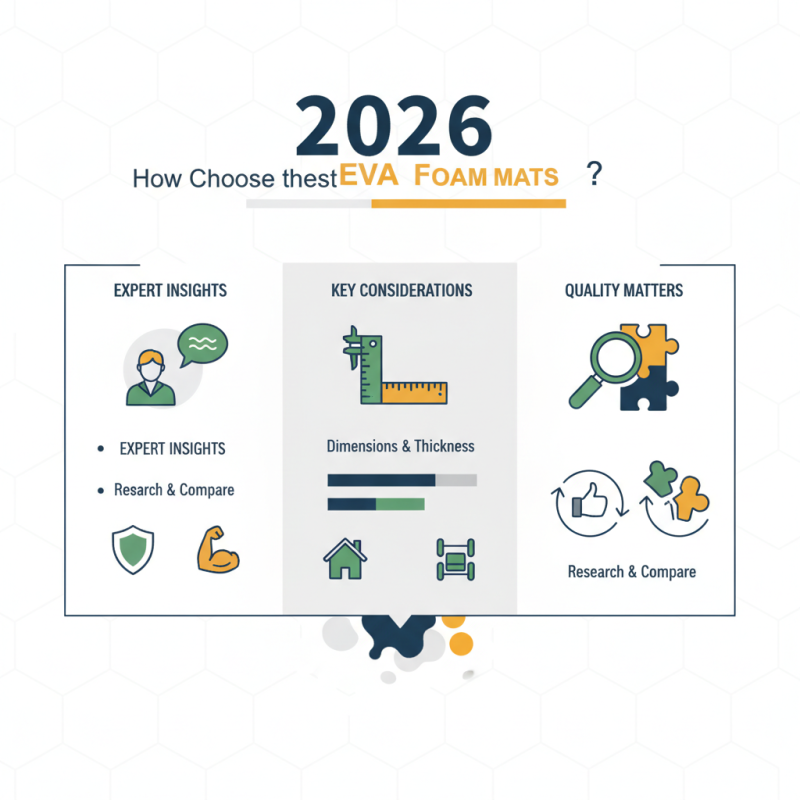
Choosing the right Eva Foam Mats can significantly enhance your project’s success. According to John Smith, an industry expert in foam materials, “The right mat can make all the difference in performance and safety.” Finding the best Eva Foam Mats means considering various factors tailored to your specific needs.
Selecting Eva Foam Mats involves not just aesthetics but also practical applications. For example, these mats provide cushioning for gyms, play areas, and even home floors. However, many buyers overlook dimensions and thickness, which can impact comfort and durability. It's crucial to ask questions and reflect on what features matter most.
Additionally, quality varies among brands. Not all mats labeled as "Eva" offer the same benefits. Some may degrade quickly, losing shape and support. Thus, taking time to research and compare options is essential. Consider consulting reviews and expert opinions. This diligence will help ensure a satisfactory purchase decision.
Understanding the Benefits of Eva Foam Mats for Various Activities
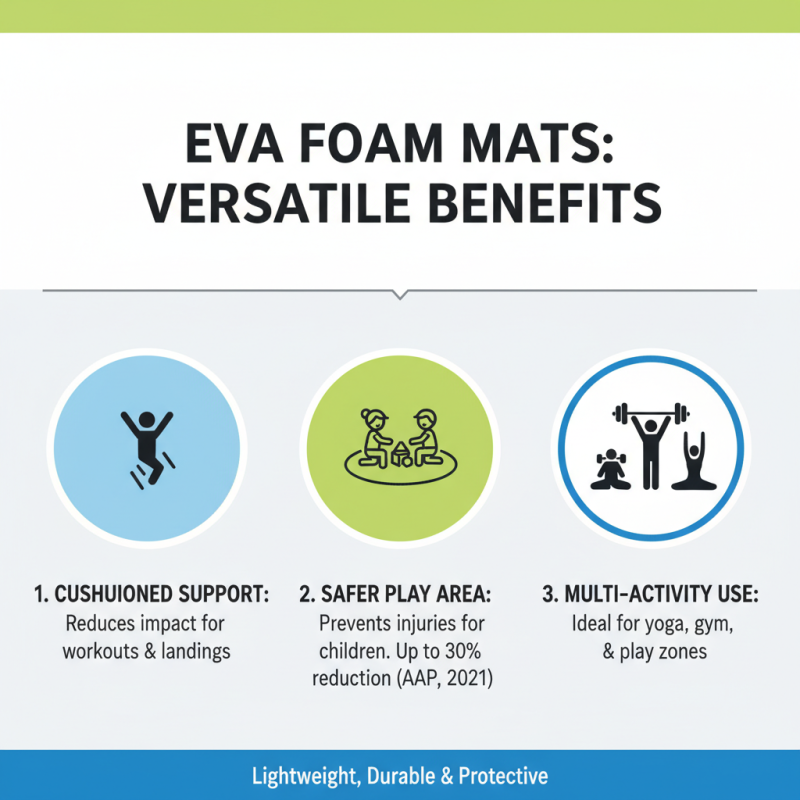
Eva foam mats have gained popularity across various activities, from workouts to play areas for children. The lightweight yet durable nature of these mats provides a cushion effect, which is essential for injury prevention. According to a 2021 study published by the American Academy of Pediatrics, safe play environments decrease the risk of injuries in young children by up to 30%. A cushioned surface can significantly reduce impact, making Eva foam mats ideal for landing during jumps or falls.
In fitness circles, Eva foam mats are favored for their non-slip surface and shock absorption. Research by the National Institute of Health shows that certain mat materials can improve performance. Effective use of mats can enhance stability during exercises, especially for yoga and aerobic routines. Many fitness trainers advocate for mats that offer these features, contributing to better form and reduced strain on joints. Choosing the right mat can be overwhelming, as some mats may not meet safety standards. Consider how regularly you will use it and for what specific activities.
While Eva foam mats are beneficial, they can have drawbacks. Some materials may wear down faster than others with extensive use. Certain mats might emit odors due to manufacturing processes, which could concern users with sensitivities. Addressing these issues requires selecting mats from reputable sources, where safety and reliability are prioritized. Balancing these aspects can ensure that you find the best mat suitable for your specific needs.
Identifying the Key Features to Look for in Eva Foam Mats
When choosing the right Eva foam mats, understanding their key features is vital. First, consider thickness. A report by the International Fitness Association states that mats ranging from 10mm to 12mm offer sufficient cushioning for most routines. Thicker mats provide more support but may affect balance during certain exercises. Users often find themselves confused about the right balance between comfort and stability.
Next is the density of the foam. Density impacts durability and comfort. The density of Eva foam typically ranges from 30 to 80 kg/m³. Higher density mats tend to last longer and withstand heavier activities. However, they can also feel firmer. This trade-off is worth weighing based on your specific needs. Some users reflect on their experiences and suggest trying different densities to find personal preference.
Finally, the texture plays a role in safety. Mats with a non-slip surface help prevent injuries. Research indicates that mats with a textured finish can enhance grip by up to 30%. However, some users have reported that these textured mats may be harder to clean. Each of these features contributes to the overall suitability of Eva foam mats for your intended use. Explore each characteristic to ensure the best fit for your activities.
Evaluating Thickness and Density for Comfort and Durability
When selecting Eva foam mats, evaluating thickness and density is critical. A mat's thickness influences both comfort and impact absorption. Thicker mats provide more cushioning, reducing stress on joints during activities like yoga or aerobics. However, excessively thick mats might compromise stability. Balancing comfort with performance is essential.
Density also plays a pivotal role in durability and support. Higher density mats typically offer greater resilience, resisting wear over time. They maintain their shape and provide consistent support during use. A denser mat may feel firmer, which can be uncomfortable for some. Finding the right density will depend on personal preferences and specific activities.
Some users may overlook these factors, leading to dissatisfaction. A mat that feels great initially could become a burden if it lacks the right density or thickness. Consider your activities, body type, and space. Doing so will help in making an informed choice. Testing different mats may reveal preferences in feel and support that are crucial for achieving the best experience.
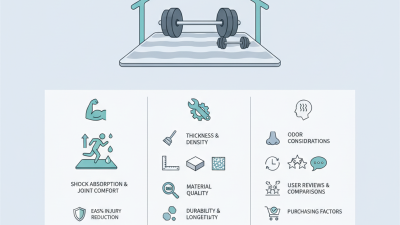
Comparison of Eva Foam Mats: Thickness and Density
Comparing Different Types of Eva Foam Mats for Specific Uses
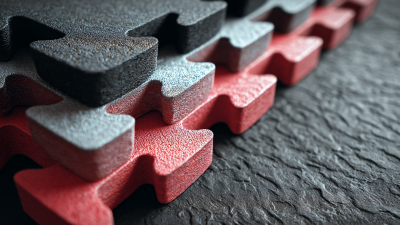
When selecting EVA foam mats, understanding the specific types available can greatly impact your experience. Different mats serve various purposes. For example, interlocking mats are popular in gyms due to their easy assembly and disassembly. They provide cushioning and support during workouts. In contrast, puzzle mats are ideal for children’s play areas. With their fun designs, they promote safety while enhancing creativity.
Recent industry reports indicate that the global demand for foam mats is on the rise. The market is expected to reach $1.75 billion by 2026. This growth stems from the increasing focus on fitness and wellness. It also highlights the need for safe, durable flooring solutions in homes and commercial spaces. Users must consider the mat’s thickness and density based on its intended use. A thicker mat offers more cushioning, while a denser mat provides stability.
However, choosing the right mat is not always straightforward. Some users may find that a mat designed for exercise can be insufficient for children's safety. Colors and designs might fade over time, impacting overall aesthetics. This gradual wear can lead users to rethink their choices in the long term. It's essential to weigh these factors carefully to ensure you select the best EVA foam mat for your specific needs.
Maintaining and Caring for Your Eva Foam Mats for Longevity
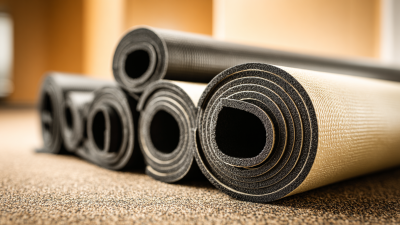
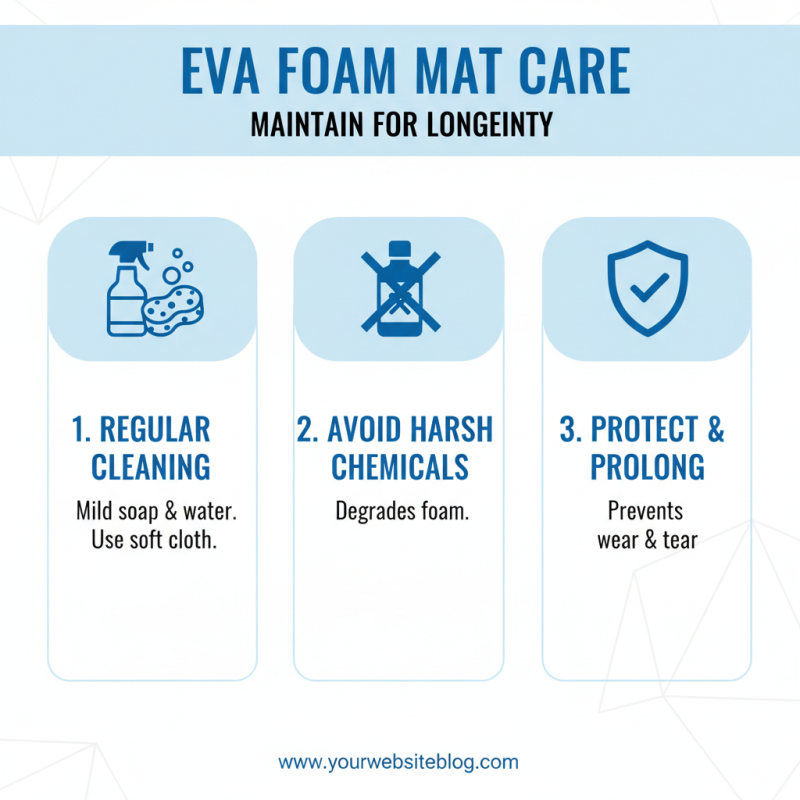
To ensure the longevity of your EVA foam mats, regular maintenance is crucial. These mats are popular for their cushioning and versatility, but they can wear out quickly without proper care. Start by cleaning them regularly. A simple solution of mild soap and water can do wonders. Use a soft cloth or sponge to avoid scratching. Be cautious with harsh chemicals; they can degrade the foam.
Store your mats in a cool, dry place. Extreme temperatures can warp the material, affecting its performance. Additionally, avoid folding or creasing them when storing. If creases form, they may not flatten out entirely. Rotate your mats periodically to ensure even wear.
Inspect your mats for any signs of damage. Tiny tears and dents might not seem serious but can lead to bigger issues. If you notice any damage, consider patching it up immediately or replacing it. These small steps can make a difference in maintaining the quality and appearance of your EVA foam mats. Your mats deserve this attention to detail.