2026 Best Rubber Top Foam Mat Features and Benefits?
In the evolving landscape of flooring solutions, the "Rubber Top Foam Mat" stands out for its unique blend of comfort and durability. According to Dr. Emily Carter, a flooring expert, "The right mat can transform a space, providing both safety and a sense of style." This statement captures the essence of what makes Rubber Top Foam Mats essential for various environments.
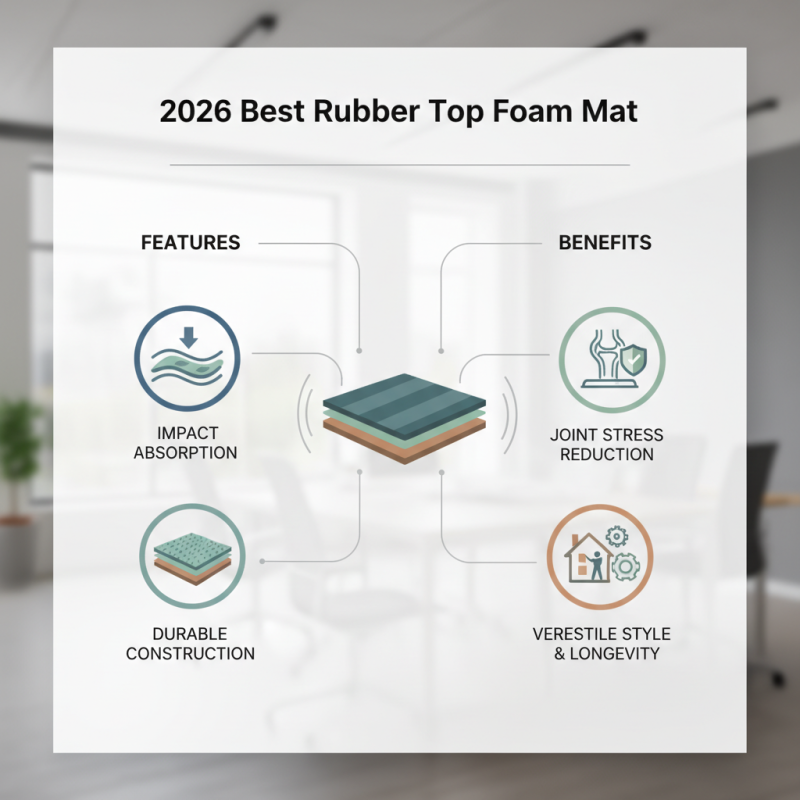
These mats offer an impressive cushion that absorbs impact, reducing stress on joints during physical activities. Their design caters to both aesthetic and functional needs, featuring a non-slip surface that enhances safety. Yet, it's crucial to recognize that not all mats are created equal. Some may wear out faster than expected or lack in overall grip.
Understanding the features and benefits of Rubber Top Foam Mats is vital. A thoughtful choice can prevent future issues. However, with so many products available, consumers may find it challenging to select the best option. This complexity creates a need for informed decision-making in the pursuit of quality flooring solutions.
Key Features of the 2026 Best Rubber Top Foam Mat
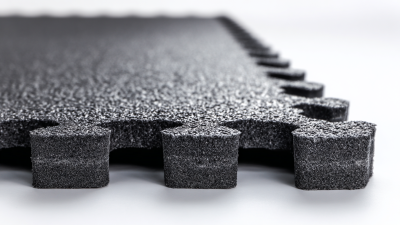
When looking for the perfect flooring solution, the 2026 Best Rubber Top Foam Mat stands out with its key features. This mat combines durability and comfort, making it ideal for various applications. The rubber top layer provides excellent traction, reducing slip risks. Beneath it, the foam core offers cushioning, perfect for prolonged use. This mat is great for gyms, playrooms, and workspaces.
One important consideration is the thickness of the mat. A thicker mat may provide better cushioning but can also be bulkier. Evaluate your space to choose the right size. Proper maintenance is crucial, too. Regular cleaning ensures the mat stays clean and retains its properties.
Tips: Place mats in high-traffic areas for better wear distribution. Sometimes, a less expensive option might not perform as well. Consider the long-term benefits of investing in quality mats. Always check for warranty information before buying. This could save you from future headaches.
Benefits of Using Rubber Top Foam Mats for Comfort and Support
Rubber top foam mats provide excellent comfort and support. They are designed to cushion your feet and joints while standing or exercising. The thick foam absorbs impact, reducing strain on your body. This makes them ideal for various activities, from workouts to standing workstations.
Using these mats can significantly enhance your experience. The rubber surface offers a non-slip grip, ensuring safety during movement. Plus, the material has durability, standing up to heavy use. Over time, wear and tear may still occur. Sometimes, the mats lose some cushioning. Noticing this early helps maintain comfort.
It's also important to consider maintenance. Cleaning the mats regularly prevents build-up of dirt and bacteria. A simple wipe-down keeps them fresh. However, some may find it a chore. Balancing cleanliness with practicality can be a challenge. Still, the comfort they offer often outweighs these small inconveniences.
2026 Best Rubber Top Foam Mat Features and Benefits
Durability and Maintenance of Rubber Top Foam Mats
Rubber top foam mats are gaining popularity for their durable nature and easy maintenance. These mats can withstand heavy foot traffic, making them suitable for various settings. The rubber surface is resistant to wear and tear, ensuring they remain functional longer. A simple wipe with a damp cloth can keep them looking good.
However, it’s essential to consider occasional deep cleaning. Over time, dirt and grime can accumulate in the crevices. Regular maintenance will help prevent this buildup. Using a mild detergent can keep the mats hygienic. Some users may find this process tedious and might skip it. This can lead to unpleasant odors or a slippery surface. It's important to stay on top of cleaning to ensure safety.
Temperature fluctuations can also affect rubber mats. They may not perform as well in extreme heat or cold. This vulnerability can be a concern if they are used outdoors. Regular inspection is necessary to identify any damage early. Addressing issues promptly can extend the life of the mats. Sustainable choices often require thoughtful consideration of both benefits and limitations.
Applications of Rubber Top Foam Mats in Various Settings
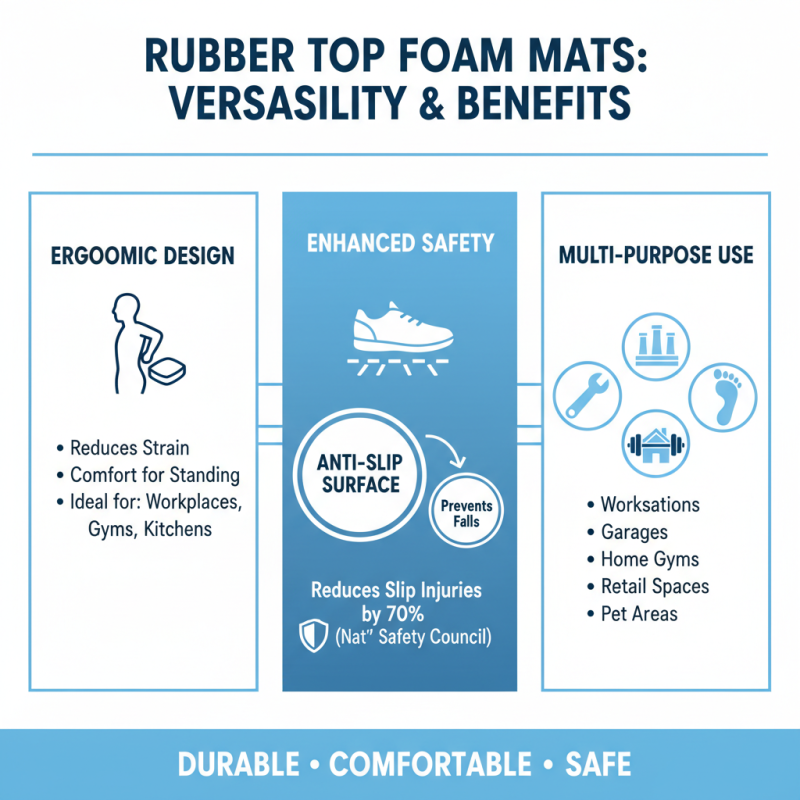
Rubber top foam mats are highly versatile and serve various purposes in different environments. Their ergonomic design reduces strain, making them ideal for workplaces and gyms. The anti-slip surface enhances safety. A report from the National Safety Council highlights that proper matting can reduce slip-related injuries by up to 70%.
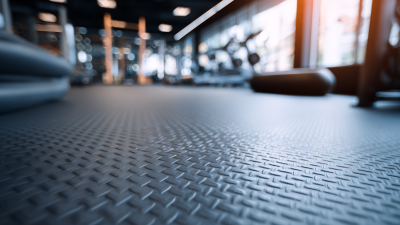
In fitness settings, these mats provide cushioning during workouts, which is crucial for impact reduction. Research shows that the use of rubber mats can improve performance in high-impact activities. Beyond gyms, these mats find applications in kitchens and play areas, where slips and falls are common hazards. Their durability and ease of cleaning are significant advantages.
Tips: Choose mats based on the specific setting. Not all mats are created equal, and the wrong choice could lead to discomfort or even injuries. Pay attention to the thickness and texture, as these affect usability.
While the benefits are clear, some mats may wear out faster than expected. It’s essential to evaluate the quality and manufacturer claims before purchasing. Longevity matters. Regular inspections can help identify wear and prevent accidents.
Comparative Analysis: Rubber Top Foam Mats vs. Traditional Mats
Rubber top foam mats offer a distinct advantage over traditional mats. They provide superior cushioning and shock absorption, making them ideal for high-impact activities. Traditional mats, on the other hand, often lack this essential support. Users frequently complain about discomfort during exercise or play. With rubber top foam mats, the soft yet resilient surface minimizes the risk of injury.
In terms of durability, rubber mats generally outlast their traditional counterparts. They resist wear and tear, especially in environments with heavy foot traffic. Some people notice that traditional mats can become flat and lose their effectiveness over time. This inconsistency can be frustrating, especially for athletes requiring reliable surfaces.
However, rubber top foam mats may not be the best fit for everyone. They can be heavier, making them less portable. Some users find the weight inconvenient for transport. Moreover, the price point can be an issue; many hesitate to invest significantly upfront. Balancing comfort, durability, and cost remains a challenge for many consumers, prompting a closer analysis of their specific needs.