2026 Best Interlocking Floor Tiles for Home and Garden Design?
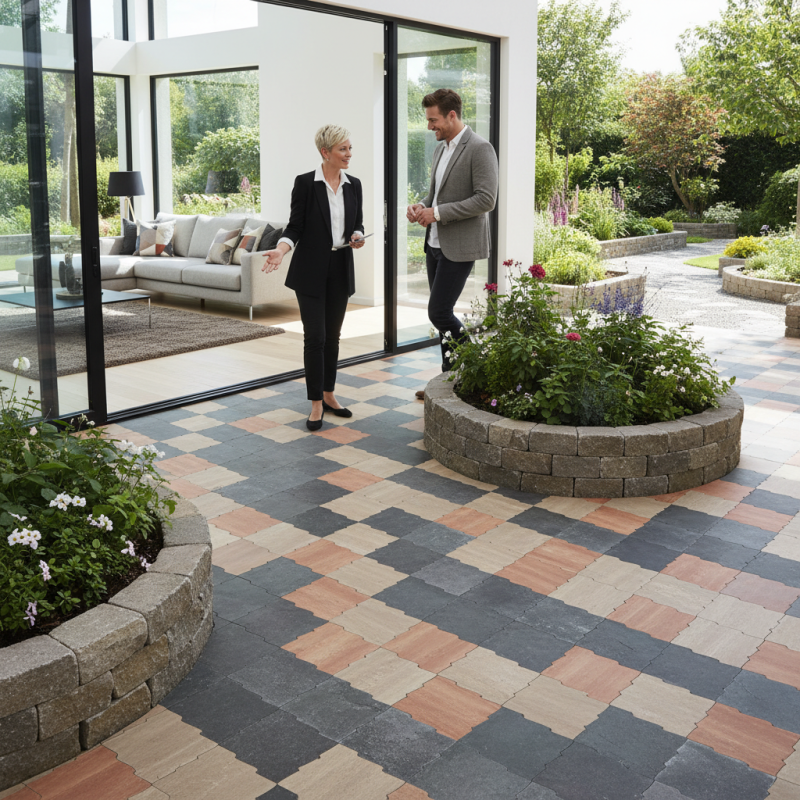
When considering home and garden design in 2026, **Interlocking Floor Tiles** are a top choice. Industry expert Lisa Tan, a renowned interior designer, emphasizes, "Interlocking Floor Tiles offer unmatched versatility and style." They are ideal for patios and living rooms alike.
The aesthetic appeal of these tiles is significant. They come in various colors, patterns, and materials. Homeowners can create unique designs that reflect their taste. However, some users might struggle with installation. It often requires precise measurements and patience. Mismatches can lead to frustrations.
Despite these challenges, the advantages outweigh the drawbacks. **Interlocking Floor Tiles** provide easy maintenance and durability. They are perfect for high-traffic areas. Many homeowners find them cost-effective in the long run. With the right selection, they can transform any space beautifully.
Benefits of Interlocking Floor Tiles for Home and Garden Designs
Interlocking floor tiles are gaining popularity in home and garden designs due to their numerous benefits. According to a recent industry report, these tiles can reduce installation time by up to 40%. Homeowners can take advantage of this efficiency. They are often easy to handle, allowing for DIY projects. This leads to significant cost savings, as professional installation may not be necessary.
Durability is another critical factor. Interlocking tiles are typically made from high-quality materials, offering resistance to wear and tear. A study published in the Journal of Home Improvement found that properties with interlocking tiles may retain value better. Furthermore, these tiles can withstand various weather conditions, making them suitable for gardens too. They provide a stable surface for outdoor activities while remaining visually appealing.
However, some drawbacks exist. Improper installation can lead to gaps, which may create hazards. Water accumulation can happen if not correctly laid out. Homeowners should consider these aspects carefully. Ultimately, weighing the pros and cons will guide better decisions for home and garden aesthetics.
2026 Best Interlocking Floor Tiles for Home and Garden Design
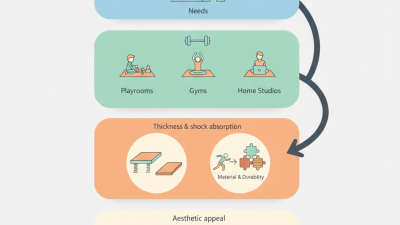
This chart illustrates the benefits of interlocking floor tiles for home and garden designs. The ratings indicate how these tiles excel in various aspects, highlighting their durability, aesthetic appeal, ease of installation, weather resistance, and cost-effectiveness.
Key Features to Look for in the Best Interlocking Floor Tiles
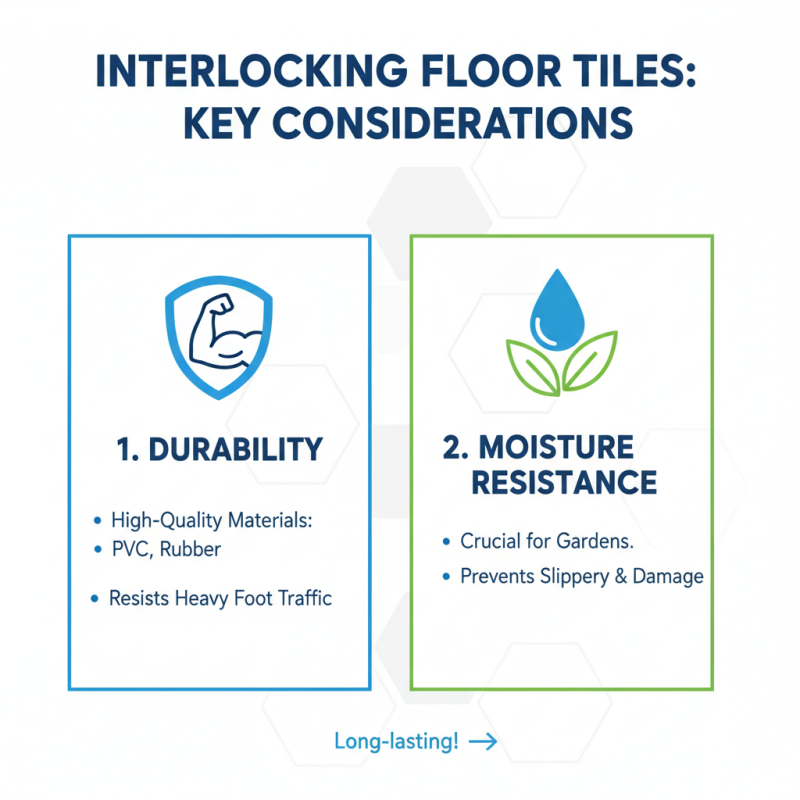
When selecting interlocking floor tiles, consider their durability first. High-quality materials, like PVC or rubber, offer resistance to wear and tear. These materials stand up well against heavy foot traffic. If you have a garden, moisture resistance is crucial. It keeps the tiles intact, preventing them from becoming slippery or damaged over time.
Another key feature is design flexibility. Interlocking tiles come in various colors and patterns. This allows you to create a personalized look for your space. You can mix and match tiles to fit your style. It's an enjoyable process, but it may lead to overthinking. Balancing aesthetics and functionality can be tricky.
Lastly, ease of installation is worth considering. Many interlocking tiles are designed for DIY projects. They snap together without the need for glue or adhesives. However, improper alignment can cause frustration. It may take a few attempts to get it right. Take your time and plan your layout carefully, ensuring a smooth finish.
Top 2026 Interlocking Floor Tile Brands and Their Market Performance
The interlocking floor tile market is thriving in 2026. Industry reports forecast a growth rate of approximately 5.2% each year. This is driven by increasing demand for versatile flooring options. Homeowners seek durable and stylish solutions for both interior and exterior use.
Many brands have carved out a significant market share. They offer a range of tiles that cater to diverse design preferences. Some tiles mimic natural wood or stone, adding aesthetics without the high upkeep. However, not all brands perform equally well. Market analysis shows that consumer satisfaction varies widely. Some tiles may chip easily, requiring buyers to reconsider their choices.
Sustainability is a crucial aspect in 2026. Eco-friendly materials are gaining traction. Reports suggest that about 30% of consumers prioritize sustainability in their choices. Yet, consumers often face a dilemma. While eco-friendly tiles are available, they might not always match durability expectations. Balancing design, sustainability, and longevity is a challenge for many homeowners.
Comparative Analysis of Materials Used in Interlocking Floor Tiles
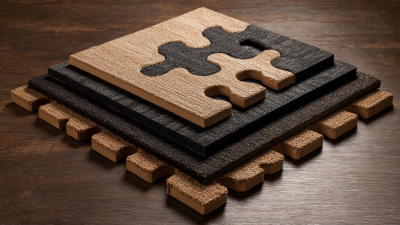
Interlocking floor tiles have gained popularity for home and garden design. The material used significantly impacts durability, aesthetics, and maintenance. Common materials include vinyl, rubber, and porcelain. Each material has its advantages and drawbacks, influencing the choices consumers make.
Vinyl tiles are lightweight and easy to install. They come in various designs, mimicking wood or stone. However, they may not withstand extreme weather conditions as well. According to a report by the Construction Market Research Institute, vinyl can degrade after prolonged sun exposure. This limits its suitability for outdoor spaces.
Rubber tiles, on the other hand, excel in durability and slip resistance. They perform well in both interior and exterior applications. Yet, some users find their color options limited. Porcelain tiles offer elegance but can be expensive. Additionally, they require careful handling during installation due to their fragility. Balancing cost, aesthetics, and functionality is key when choosing interlocking floor tiles. Each option presents unique challenges and benefits, urging consumers to reflect on their specific needs.
Sustainability Trends in Interlocking Floor Tile Manufacturing and Usage
The landscape of interlocking floor tiles is changing, especially with an emphasis on sustainability. Recent industry reports indicate that eco-friendly materials are gaining traction. For instance, over 40% of manufacturers now use recycled content in their products. This shift is crucial as consumers become more environmentally conscious. They seek flooring solutions that reduce their carbon footprint.
Production practices have also evolved. Many companies are adopting energy-efficient processes. This not only cuts emissions but often lowers costs as well. According to the Green Building Council, sustainable products can lead to a 20% reduction in energy use and waste. However, challenges remain. Many consumers are unsure if these tiles provide the same durability as traditional options. Some installations have reported issues with wear and tear, raising questions about long-term reliability.
The sourcing of materials plays a vital role in sustainability. Natural fibers and reclaimed wood are becoming popular choices. Yet not all manufacturers disclose their sourcing practices. Transparency is essential to make informed decisions. As the industry progresses, awareness and education are key. Consumers deserve to know the true impact of their flooring choices.
2026 Best Interlocking Floor Tiles for Home and Garden Design
| Tile Type |
Material |
Eco-Friendly Rating |
Durability (Years) |
Price Range ($) |
| Porcelain Tiles |
Porcelain |
A+ |
50 |
3-5 |
| Recycled Rubber Tiles |
Rubber |
A |
20 |
4-7 |
| Bamboo Tiles |
Bamboo |
A+ |
25 |
5-9 |
| Composite Decking Tiles |
Composite |
B |
30 |
7-12 |
| Cork Tiles |
Cork |
A++ |
15 |
6-10 |