10 Best Floor Mats for Every Home and Office Need?
Choosing the right floor mat can significantly impact comfort and safety in any home or office. Renowned flooring expert, John Smith, once said, “A good floor mat is essential for both aesthetics and functionality.” This highlights the importance of selecting the right mat for specific needs.
Floor mats serve various purposes, from reducing slip hazards to enhancing the overall decor. In a bustling office, a quality floor mat can absorb noise and provide comfort underfoot. In contrast, a decorative mat in a living room creates warmth and style. However, many overlook the mat's role in daily life, leading to missed opportunities for improvement.
Consider entry mats, for example. They collect dirt and moisture, yet some choose purely aesthetic options that aren't practical. Opting for functionality over looks can save time and effort in cleaning. Reflecting on these choices reminds us that the perfect floor mat balances style and utility, making daily life a little better.
Top Factors to Consider When Choosing Floor Mats
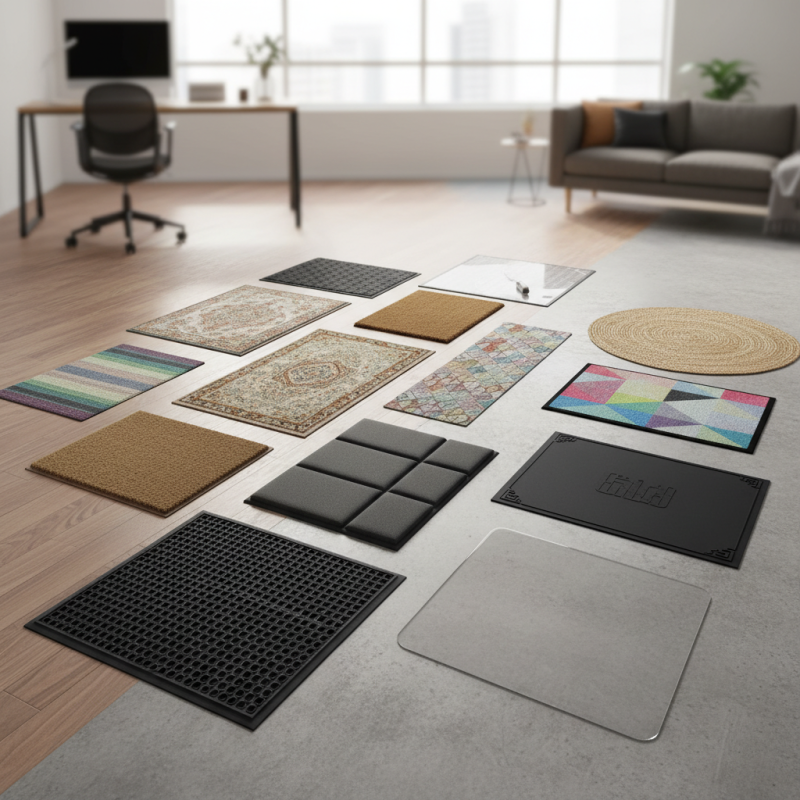
Choosing the right floor mat can enhance both comfort and safety in your space. When selecting a mat, consider the material. Rubber is durable and slip-resistant, making it ideal for entryways. Carpet mats offer warmth and softness, perfect for living rooms or offices. Think about the style too. A well-chosen design can elevate your room’s aesthetic.
Size matters significantly. Measure the area where the mat will go. A mat too small may look out of place. A mat too large can overwhelm the space. Thickness also plays a role. Thicker mats provide better cushioning but may not fit under doors easily. Lastly, maintenance should not be overlooked. Easy-to-clean mats save time and effort.
Reflect on your specific needs. Do you require extra grip or just a decorative touch? Sometimes, a bargain mat feels tempting. However, it may wear out quickly, causing you to replace it sooner. Adapting to your lifestyle means carefully evaluating these factors. A thoughtful choice results in satisfaction and functionality.
Types of Floor Mats for Different Spaces in Home and Office
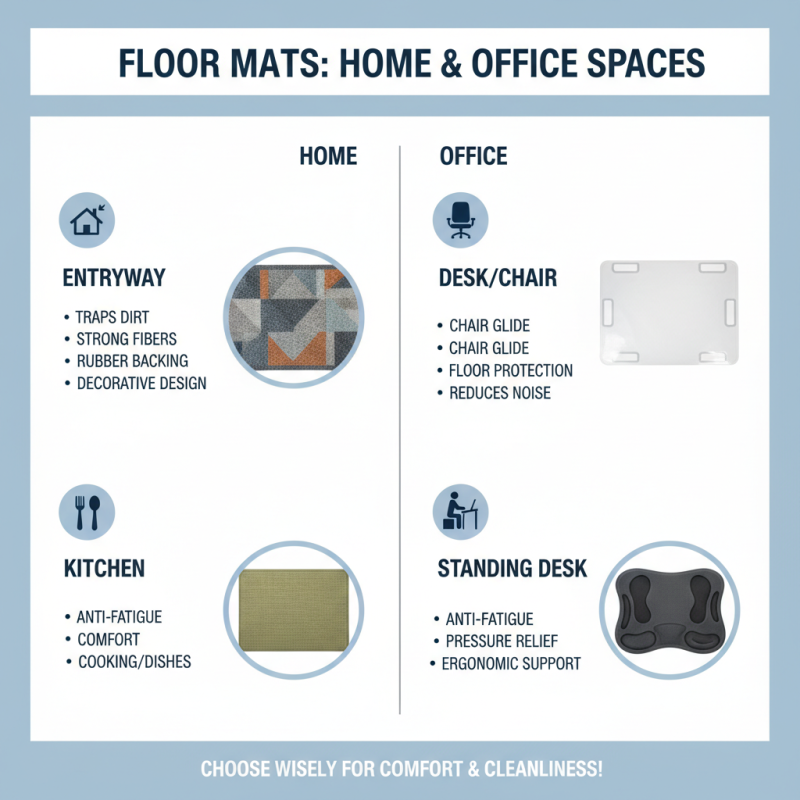
When choosing floor mats, consider the space they will occupy. Entryway mats trap dirt and debris, keeping your home clean. Look for mats with strong fibers and rubber backing. A vibrant design can enhance your décor too. In kitchens, mats should be anti-fatigue. This way, they provide comfort while cooking or doing dishes.
For offices, it's wise to select ergonomic mats. They support long hours of standing, reducing fatigue. Additionally, anti-static mats are essential in tech environments. They help maintain equipment and increase safety.
Different areas require different styles. Think about placement and material. Some mats retain water better, while others focus on aesthetics. It's okay to mix styles but ensure they serve their purpose. Reflect on your choices. Do they truly enhance your space?
Durability and Maintenance: Essential Features of Quality Floor Mats
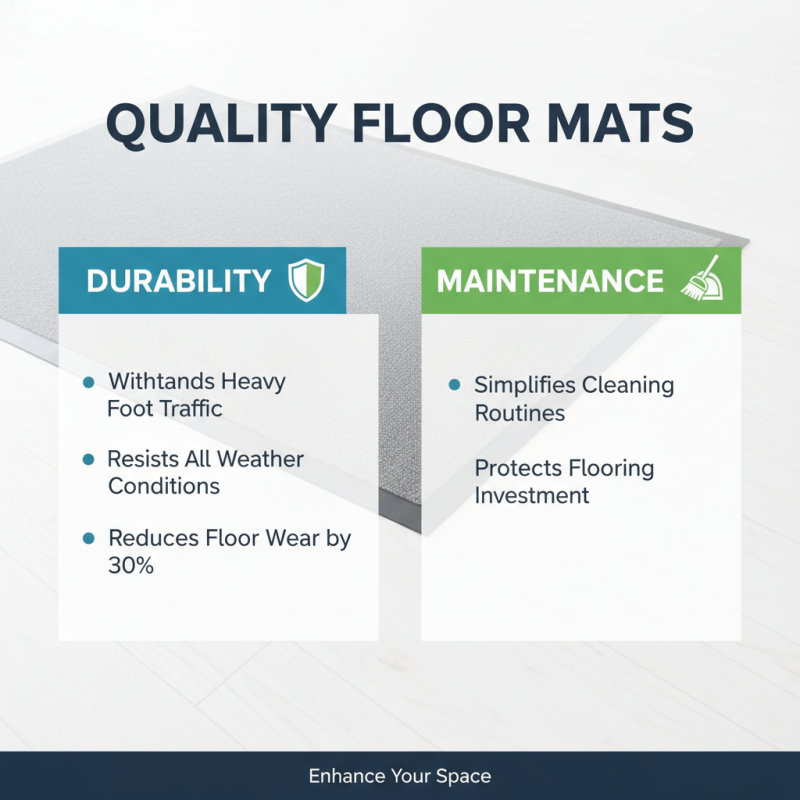
Choosing the right floor mat can enhance both durability and maintenance in any space. A good floor mat withstands heavy foot traffic and various weather conditions. Studies indicate that high-quality mats can reduce wear on flooring by up to 30%. This not only protects your investment but also simplifies cleaning routines.
When selecting a mat, consider its material. For instance, rubber mats are known for their resilience and slip resistance. They are ideal for entryways, where moisture from outside is a concern. In contrast, carpeted mats offer comfort and warmth, making them suitable for indoor areas. Both types require regular maintenance to prolong their lifespan. Regular vacuuming or shaking out debris is essential.
**Tip:** Always check for warranties. A solid warranty can indicate the manufacturer's confidence in the mat's durability.
Maintenance is equally crucial. Mats should be cleaned frequently to prevent dirt buildup. A dirty mat can harbor allergens and lead to health issues. Regular washing or deep cleaning can maintain their performance.
**Tip:** Rotate mats every few months. This ensures even wear and extends their overall working life.
Quality matters. Investing in durable mats pays off in long-term maintenance and cleanliness. It's often overlooked that the choice of mat impacts not only aesthetics but also hygiene and safety in your environment.
Style and Design: Enhancing Aesthetic Appeal with Floor Mats
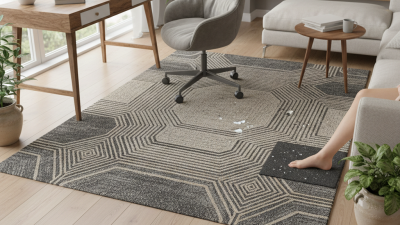
Floor mats are more than just functional items; they can elevate the aesthetic appeal of any space. A well-chosen mat can tie together your room's color scheme. Bright patterns can energize a dull corner. Soft textures invite comfort, creating a welcoming atmosphere. Consider a natural fiber mat in a minimalist room. It adds warmth and a touch of elegance.
However, finding the right mat requires thought. Not every design suits every space. A bold print might clash with intricate wallpapers. A heavy mat can overpower a light, airy room. It’s essential to balance style with function. Sometimes, the perfect mat may not exist. You might need to combine elements from different styles or customize a solution. Embrace the process of choosing; it can lead to surprising inspirations for your home or office.
10 Best Floor Mats for Every Home and Office Need
| Mat Type |
Material |
Size (inches) |
Color Options |
Features |
| Entrance Mat |
Coir Fiber |
30 x 18 |
Brown, Black |
Non-slip, Weather Resistant |
| Anti-Fatigue Mat |
PVC Foam |
36 x 24 |
Black, Gray |
Cushioned, Easy to Clean |
| Area Rug |
Polyester |
60 x 90 |
Multicolor, Solid |
Stylish, Hypoallergenic |
| Office Floor Mat |
Nylon |
48 x 36 |
Charcoal, Blue |
Durable, Ergonomic |
| Kitchen Mat |
Rubber |
30 x 18 |
Red, Green |
Water Resistant, Non-slip |
| Bathroom Mat |
Cotton |
24 x 24 |
White, Blue |
Soft, Quick Dry |
| Pet Mat |
Microfiber |
30 x 20 |
Gray, Brown |
Absorbent, Machine Washable |
| Entryway Runner |
Polypropylene |
72 x 24 |
Beige, Navy |
Fade Resistant, Easy Maintenance |
| Yoga Mat |
TPE |
68 x 24 |
Pink, Purple |
Eco-friendly, Non-slip Surface |
| Outdoor Mat |
Polyester |
48 x 30 |
Gray, Khaki |
UV Resistant, Easy to Clean |
Eco-Friendly Options: Sustainable Materials for Floor Mats
When choosing floor mats, eco-friendly options stand out. Sustainable materials, such as natural rubber and jute, reduce environmental impact. A recent report from the Environmental Protection Agency found that about 80% of all carpet waste ends up in landfills. Switching to sustainable mats helps mitigate this issue.
Natural fibers are biodegradable. They break down over time, unlike synthetic materials. For instance, jute mats return to the soil, enriching it. Furthermore, production of eco-friendly mats often uses less energy. It aligns with green building standards which advocate for sustainable practices.
Many consumers are unaware of harmful chemicals in traditional mats. VOCs, or volatile organic compounds, can off-gas and affect indoor air quality. A study by the American Lung Association highlights that choosing materials like bamboo can lessen this risk. Investing in eco-friendly options is not just about aesthetics—it’s about health and sustainability.