Top 5 Eva Foam Mat Tips for Your Home Gym Setup?
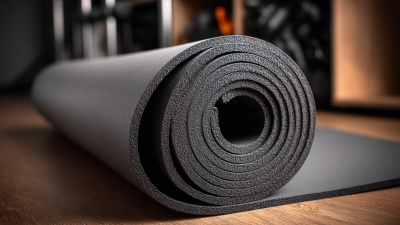
Creating an effective home gym requires careful planning. One crucial element is the Eva Foam Mat. These mats provide comfort and protection during workouts. They are ideal for various exercises, from yoga to weightlifting.
Investing in quality Eva Foam Mats can significantly enhance your fitness environment. They offer cushioning for your joints, reducing the risk of injury. However, not all mats are created equal. Some may lack durability or support. It’s essential to consider the thickness and density when purchasing.
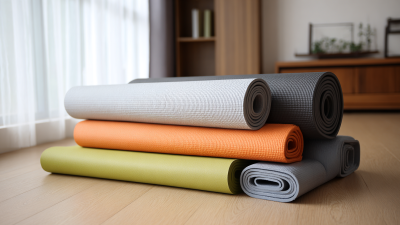
A well-chosen Eva Foam Mat can transform your space into an inviting workout area. Think about patterns or colors that inspire you. Personal touches create a motivating atmosphere. Yet, it's easy to overlook maintenance. Regular cleaning and proper storage are vital for longevity.
Choosing the Right Thickness for Your Eva Foam Mats
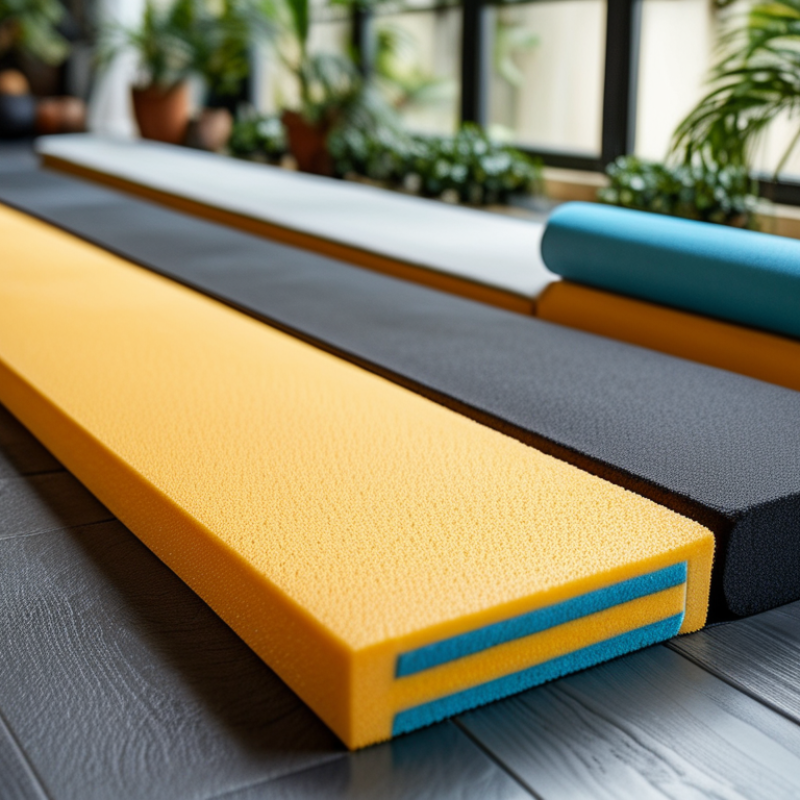
Choosing the right thickness for your EVA foam mats is crucial for creating a safe and effective home gym. The thickness can significantly influence cushioning and support. Research indicates that mats typically range from 10mm to 20mm in thickness. A study by the National Institutes of Health suggests that ideal thickness aligns with the type of activities you perform. For high-impact workouts, thicker mats may reduce the risk of injuries.
Thinner mats, around 10mm, are suitable for light exercises like yoga and stretching. However, they may not provide adequate shock absorption for high-intensity training. According to fitness experts, thicker mats of 20mm or more are ideal for heavy lifting or high-impact workouts. The additional cushioning supports joints and absorbs shocks, enhancing performance.
It's also essential to consider aspects like mat density. Higher density mats can offer better durability and support, even in thinner variations. An analysis found that density impacts both comfort and longevity. However, it can be a challenge to find the perfect balance between thickness and density. Each person's needs vary, and experimenting with different combinations is invaluable. Ensuring that your mats meet specific requirements can lead to a more productive workout experience.
Understanding Different Types of Eva Foam Mats Available
When setting up your home gym, understanding the different types of EVA foam mats is crucial. These mats come in various thicknesses and densities, catering to specific workout needs. Thicker mats provide more cushioning, making them ideal for high-impact activities. Conversely, thinner mats are easier to store and can enhance stability during weightlifting sessions.
Selecting the right mat can be overwhelming. Consider your workout style and space availability. For yoga or Pilates, opt for a softer matte finish. If you engage in cardio workouts, a denser mat ensures durability and comfort underfoot. Experimenting with samples could lead to better choices.
Here are some tips for your EVA foam mat selection. Test the mat's grip by trying different exercises. Look for mats that are easy to clean and maintain. Think about the mat color, as this can influence your motivation and environment. Reflecting on these aspects will guide you in creating an effective workspace.
Top 5 Eva Foam Mat Tips for Your Home Gym Setup
| Tip Number |
Tip Description |
Type of Eva Foam Mat |
Recommended Use |
| 1 |
Choose the right thickness for comfort. |
10mm Mats |
For high-impact workouts. |
| 2 |
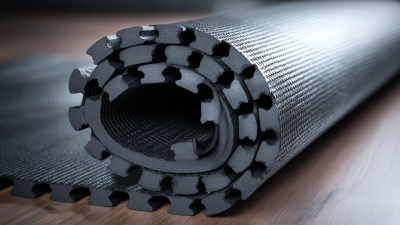
Consider interlocking mats for versatility. |
Interlocking Mats |
Ideal for adjustable workout spaces. |
| 3 |
Look for mats with moisture resistance. |
Water-resistant Mats |
Best for sweaty workouts. |
| 4 |
Select a surface that provides grip. |
Textured Mats |
For dynamic movements and stability. |
| 5 |
Evaluate ease of cleaning and maintenance. |
Easy-to-clean Mats |
Great for home gym durability. |
How to Properly Clean and Maintain Your Foam Mats
Maintaining your foam mats in a home gym is crucial for both hygiene and longevity. Foam mats can harbor bacteria if not cleaned regularly. A study by the American Journal of Sports Medicine shows that up to 30% of gym surfaces contain potentially harmful microbes. Regular maintenance helps avoid this issue.
Cleaning foam mats is fairly simple. Use a mild soap solution and a soft cloth to wipe down surfaces. Avoid harsh chemicals, as they can degrade foam materials. Rinse the mats with clean water and let them air dry. It's a good idea to clean them weekly, especially after intense workouts.
Observation reveals that many individuals neglect the need for proper maintenance. Some mats show visible wear, which can compromise both safety and performance. Foam mats should also be inspected regularly for damage. Small tears or worn areas can lead to further degradation. Investing time in maintenance not only enhances the lifespan of your mats but also ensures safer workouts.
Arranging Your Foam Mats for Optimal Space and Safety
When setting up a home gym, the arrangement of your Eva foam mats plays a crucial role in both space optimization and safety. Position your mats to create a dedicated workout zone. This helps in focusing on exercises without distractions. If you have limited space, consider folding the mats when they are not in use. This minimizes clutter and enhances safety by preventing tripping hazards.
A fundamental tip is to ensure mats are aligned properly. Gaps between mats can lead to accidents. Check for any uneven surfaces. This not only affects your workout but can also cause injuries. It’s wise to regularly inspect the mats for wear and tear, replacing any damaged sections promptly. This attention to detail builds trust in your environment.
Lastly, think about the layout for different activities. Designate areas for stretching, weightlifting, and cardio. If you’re sharing space, ensure that users can move freely without bumping into each other. A well-thought-out arrangement contributes to a more effective workout experience. Remember, a clean and organized gym space can inspire consistency in your fitness journey.
Maximizing Comfort with Accessories for Your Home Gym Mats
Creating a comfortable home gym environment is essential for maximizing workout efficiency. Eva foam mats can significantly enhance this comfort. According to a report from the International Fitness Association, nearly 70% of home gym users report increased motivation when using proper flooring. This underscores the importance of investing in quality mats and the right accessories to boost your experience.
When setting up your gym, consider incorporating accessories like cushioned knee pads and support pillows. These items can compensate for hard surfaces, reducing strain during workouts. Research from the Journal of Sports Medicine shows that a comfortable surface can improve balance and reduce the risk of injury by up to 40%. Additionally, keeping your foam mats clean and well-maintained enhances their longevity and effectiveness, though many overlook this crucial step. Regular cleaning can prevent bacteria buildup, ensuring a safer workout environment.
It’s also important to reflect on the layout of your workout space. Adequate space around your mats can prevent accidents and promote a more enjoyable experience. Some users may find their mats slipping during high-intensity workouts. Using non-slip underlays can address this issue effectively, but not everyone takes this precaution. Ultimately, enhancing comfort with accessories and mindful design can create a more inviting space for your home gym.