2026 Best Yoga Mat Reviews and Buying Guide?
Choosing the right yoga mat can significantly improve your practice. With countless options available, finding the perfect mat may feel overwhelming. Each person has unique needs based on their style and environment.
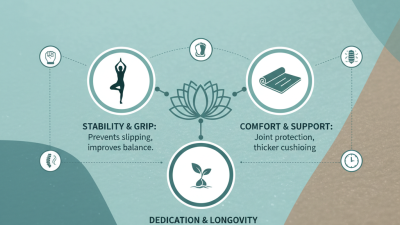
In 2026, we will explore the best yoga mats on the market. Materials, grip, thickness, and portability are crucial factors to consider. Some mats may be too slippery for beginners, while thickness can affect comfort during poses.
A good yoga mat should enhance your experience, offering support and stability. However, it’s easy to overlook personal preferences. Reflect on what doesn’t work for you. The right mat will encourage you to engage more deeply with your practice.
Overview of Yoga Mats: Types and Materials Explained
When selecting a yoga mat, understanding the types and materials is essential. Yoga mats come in various types, each catering to specific practices and preferences. For example, PVC mats are durable and easy to clean, making them a popular choice. On the other hand, natural rubber mats provide excellent grip and cushion. According to a recent market report, about 52% of yoga practitioners prefer mats made from sustainable materials, reflecting a growing trend towards eco-friendly choices.
Different thicknesses also play a pivotal role. Standard mats are typically about 4mm thick, while thicker options can reach 6mm or more. Thicker mats offer extra cushioning, which may be beneficial for beginners. Yet, they can compromise stability on some poses. A survey indicated that 36% of yogis struggle with grip on thicker mats, leading to potential slips during practice. Users should reflect on their needs before making a choice.
Lastly, texture and stickiness are vital factors. Some mats feel slippery at first but improve with use. Others maintain a constant grip but can be challenging to clean. Resources indicate that 44% of users cite texture as a critical quality in their ideal mat. Knowing the balance of comfort and support is crucial. Ensure that your choice reflects personal practice and aligns with your goals.
Key Features to Consider When Buying a Yoga Mat
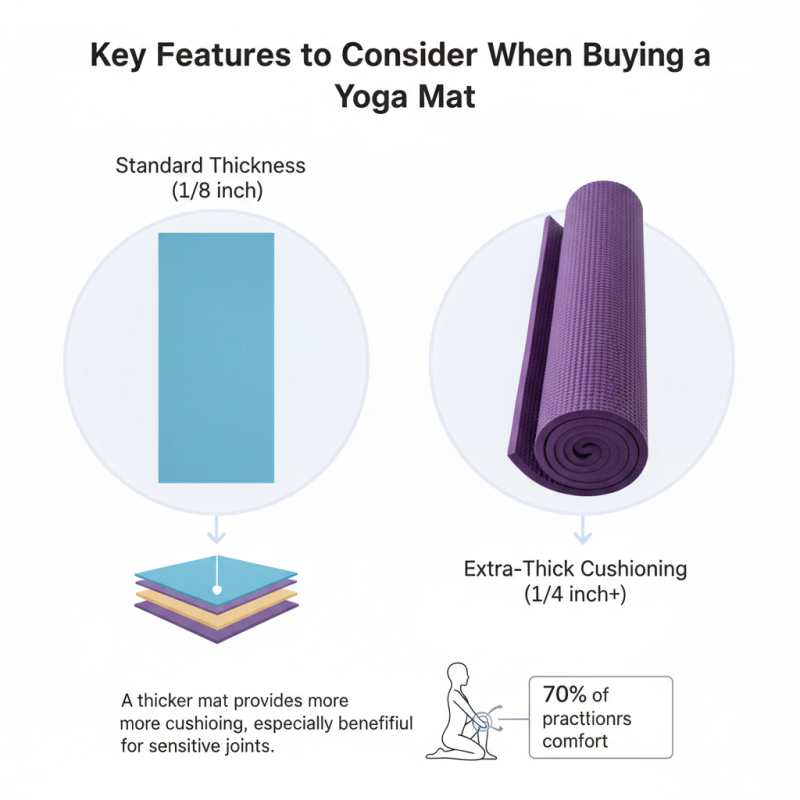
When selecting a yoga mat, several key features are essential to ensure the best experience. Thickness is one major consideration. A standard mat is about 1/8 inch thick. However, thicker mats provide more cushioning, which can benefit those with sensitive joints. A study from the Yoga Alliance indicates that comfort is a priority for 70% of practitioners. For some, a thicker mat may feel more secure.
Material is another crucial aspect. Most mats are made from PVC, TPE, or natural rubber. Each material has unique characteristics. For instance, rubber provides excellent grip but can be heavier. A survey revealed that around 60% of yoga enthusiasts prefer eco-friendly options. This trend reflects a growing awareness around sustainable practices. The choice of material can directly impact durability and comfort.
Texture can also affect stability during practice. A textured surface can help prevent slipping. Yet, too much texture might irritate the skin. About 30% of users report discomfort with overly rough surfaces. Furthermore, pattern variations can be visually appealing, but can also lead to distractions. Consider factors like portability and ease of cleaning as well. Many mats need regular maintenance to stay hygienic, which can be overlooked by beginners. Ultimately, evaluating these features requires careful thought and reflection on your personal practice needs.
Top 10 Yoga Mats of 2026: In-Depth Reviews and Comparisons
When choosing the best yoga mat for 2026, several factors come into play. The top mats offer various textures and thicknesses. A good grip is essential for stability during poses. Some mats are eco-friendly, an important consideration for many practitioners. However, not all mats are created equal. Some may feel slippery when wet, while others may not provide enough cushioning for sensitive knees.
Different styles of yoga require different mats. For instance, a thicker mat may benefit restorative yoga. An ultra-lightweight mat might suit travel enthusiasts. It's crucial to think about your personal practice and preferences. The material matters too; natural rubber, TPE, or PVC can all offer different experiences. Many mats claim durability, but over time, wear and tear will reveal the truth.
Pricing is another vital aspect. A higher cost does not always mean better quality. Sometimes a reasonably priced mat performs just as well as an expensive one. Take time to read reviews and compare features. Seek out user experiences for valuable insights. Your perfect yoga mat is waiting, but it may take some trial and error to find it.
Price Ranges and Budget Options for Yoga Mats
When it comes to selecting a yoga mat, it's important to consider your budget. Prices can vary widely, which can be overwhelming. You might find mats priced as low as $10. However, less expensive mats may lack durability and grip. In this range, you might have to replace your mat more often. This can add to the long-term costs, making a budget choice not always the best.
On the higher end, mats can go for over $100. These often provide better support and longevity. They may come with extra features, like eco-friendly materials. While a more expensive mat can seem like a big investment, it might prove worth it in terms of comfort and safety. Yet, the choice is personal. You need to assess your own practice. A mat that feels right for one person may not work for another.
Think about your needs. For beginners, mid-range options may be a good fit. They often offer a balance of quality and affordability. Reflect on how often you practice. Do you travel? Then a lighter, portable mat might be necessary, even if it’s not the cheapest option available. The right mat can enhance your practice, but the perfect choice lies in your own experience and preferences.
2026 Best Yoga Mat Reviews and Buying Guide
| Yoga Mat Type |
Material |
Thickness (mm) |
Price Range (USD) |
Best For |
| Classic Yoga Mat |
PVC |
4 |
$20 - $40 |
Beginners |
| Eco-Friendly Mat |
TPE |
5 |
$30 - $60 |
Sustainability Focused |
| Travel Yoga Mat |
NBR |
2 |
$15 - $30 |
On-the-Go Yogis |
| High-Performance Mat |
Natural Rubber |
6 |
$60 - $100 |
Intense Practices |
| Extra Thick Mat |
Foam |
10 |
$25 - $50 |
Joint Support |
| Cotton Yoga Mat |
Cotton |
3 |
$20 - $40 |
Gentle Yoga |
Care and Maintenance Tips for Longevity of Your Yoga Mat
Taking care of your yoga mat is essential for its longevity. Proper maintenance can enhance your practice and extend the life of your mat. After each use, take a moment to wipe it down with a damp cloth or mat cleaner. This simple step removes sweat and bacteria. Remember to let it air dry completely before rolling it up.
Occasionally, deeper cleaning is necessary. Soak your mat in warm water with mild soap. Scrub gently with a soft brush. Be cautious with synthetic mats; harsh chemicals can cause damage. Rinse it thoroughly, then hang it up to dry. It's vital to avoid exposing your mat to direct sunlight for extended periods, as this can lead to fading and deterioration.
Storing your mat properly also matters. Rolling it tightly may create creases that weaken the material. Instead, try laying it flat or loosely rolled in a cool, dry space. Reflect on your personal routine. Are you neglecting your mat’s care? Addressing these aspects improves your practice. Small efforts lead to lasting benefits in maintaining your yoga companion.
2026 Best Yoga Mat Durability Comparison