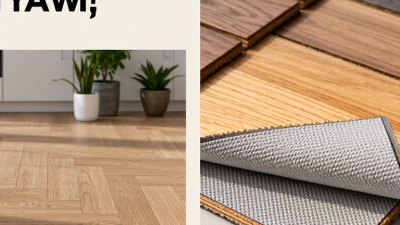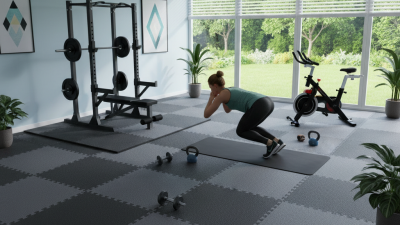
Choosing a Wood Grain Floor Mat is not only about matching an oak or walnut pattern to a room. Daily comfort, floor protection, and cleaning needs matter just as much. A mat beside a kitchen sink may face splashes and repeated standing; one near an entryway can collect grit and damp shoe marks. A soft surface may feel pleasant, but a lightweight mat can shift on smooth tile. Small details matter. Check the dimensions against your available space, and look for backing suited to your floor type. Product photos may not show how a printed grain appears under warm indoor lighting. Keep that in mind.
A practical choice starts with the room’s everyday demands. Compare material, thickness, edge finish, care instructions, and whether the mat can be wiped or washed as needed. In a busy kitchen, a surface that releases crumbs easily may be more useful than a highly textured design. For a hallway, coverage and a secure feel underfoot may matter more than cushioning. There is no single best option for every home. Even careful product research cannot fully predict how a mat will feel or look in your own space. This guide will help you weigh those trade-offs, spot useful product details, and choose a Wood Grain Floor Mat that fits your floors, routine, and style without relying on appearance alone.
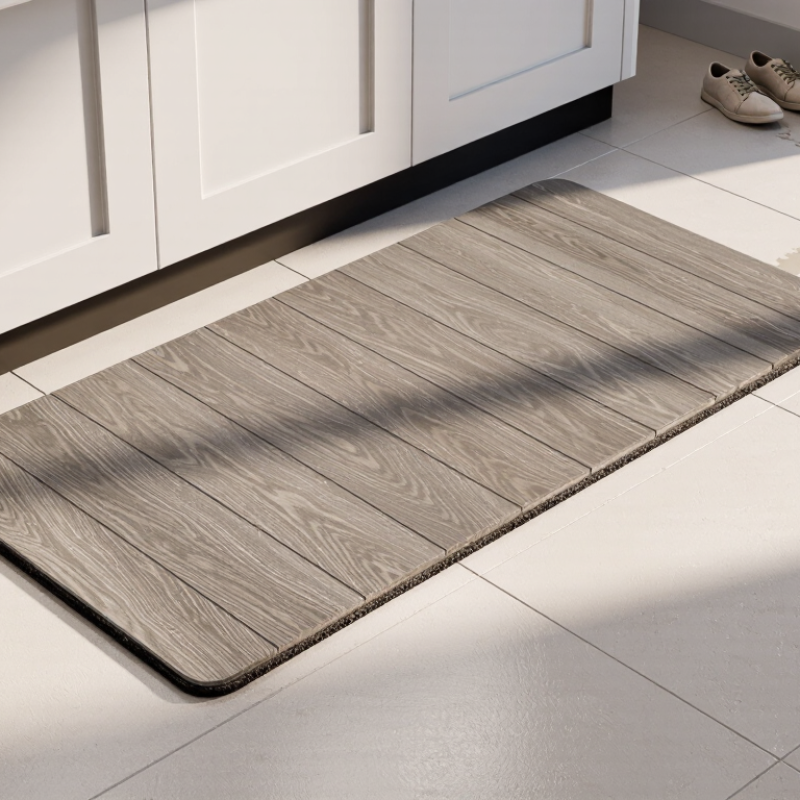
Wood grain floor mats are surface coverings designed to suggest timber without installing wood planks. Many use a printed or embossed pattern over vinyl, rubber, foam, or another backing. Construction varies. The top layer creates the look; the backing affects cushioning, grip, and moisture resistance. Details differ by product, so check its materials rather than relying on appearance alone.
Looks like oak. In a kitchen, a mat can soften the feel of standing near a sink or counter. At an entryway, it may catch light dirt and damp shoe marks, though it is not a replacement for an absorbent doormat. In laundry rooms or workshops, wipe-clean surfaces can help with small splashes. Choose a size that leaves doorways clear and does not curl against cabinet toes.
The wood effect can make a plain room feel warmer, but printed grain rarely matches real flooring exactly. That mismatch is easy to overlook in a product photo. Check whether the underside stays put on your floor type, and follow the cleaning guidance. Some finishes can dull under abrasive scrubbing. Let trapped moisture dry before replacing the mat, especially on wood or laminate floors. A mat can protect one area, but moisture underneath may still mark the floor.
Start by observing the room at its busiest, not when it is empty. In a kitchen, note where water lands near the sink and whether a mat could catch splashes without blocking cabinet doors. Check the floor underneath: smooth tile, sealed wood, and textured vinyl can grip differently. A backing that feels secure in your hand may still shift on a dusty or damp surface. Test the placement carefully. Measure twice.
Match the mat’s size and surface texture to everyday movement. A narrow runner can protect a walkway, while a wider mat may suit a standing area. Leave enough clearance for doors and appliance drawers. If chairs roll across it, a raised edge may catch the wheels, so a flatter profile is often more practical. Consider sunlight, too: prolonged exposure can fade a printed grain, depending on the material. Choose a finish that can be wiped with a cleaner permitted by its care label; not every mat tolerates soaking. Homes with pets or children may need a surface that dries quickly and stays put. It is easy to focus on the wood pattern and overlook the edges. Comfort, grip, and upkeep matter more in daily use.
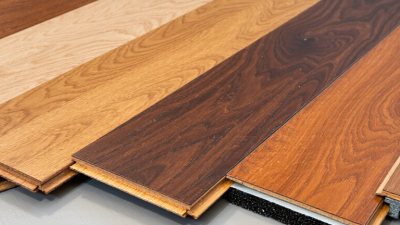
A wood-grain floor mat should suit the room, not just resemble timber. PVC mats are often easy to wipe, while rubber-backed options can grip better on smooth floors. Foam feels softer underfoot, but may compress or curl with repeated use. Check the backing, edges, and care instructions. Small details matter.
Thickness can look reassuring; it is an imperfect proxy. A thick mat may create a raised edge, while a thin one may shift underfoot. For wet areas, look for independent slip-test information and a textured surface that remains easy to clean. ANSI/NFSI B101.1 describes testing for floor-surface slip resistance; a wood-grain pattern alone does not prove traction. Ask whether results apply to the mat’s actual surface and conditions.
Material emissions deserve attention indoors. The U.S. Environmental Protection Agency’s guide, The Inside Story: A Guide to Indoor Air Quality, reports that indoor pollutant levels are often two to five times outdoor levels, and can sometimes be much higher. That broad, older finding is not specific to floor mats, but it supports checking material disclosures and independent emissions testing. A strong “new mat” smell is not a useful safety test. Choose a size that lies flat, then reassess after a few days of use.
| Mat Type / Material | Typical Thickness | Surface Features | Advantages | Points to Check | Good Fit For |
|---|---|---|---|---|---|
| PVC / vinyl sheet mat | About 1–3 mm | Printed wood-grain pattern; smooth or lightly embossed finish | Thin profile can sit beneath doors and furniture; easy to wipe clean | Check slip resistance, edge curling, and whether the surface is suitable for the intended floor and use | Everyday indoor use where a low-profile, easy-care mat is wanted |
| Foam-backed vinyl mat | About 3–8 mm | Wood-look top layer with a cushioned backing; may have a lightly textured surface | More cushioning underfoot than a thin sheet mat; the backing can help reduce minor surface movement | Confirm backing compatibility with the floor; prolonged pressure may leave impressions, depending on the product and floor | Standing areas such as a kitchen sink or workbench |
| Rubber-backed mat | About 3–10 mm | Printed or embossed wood-grain face; rubber or rubber-like backing | Backing can improve grip on suitable floors; available in cushioned and firmer constructions | Some rubber backings may discolor or react with certain floor finishes; check the floor and mat care instructions | Areas where a more secure backing is useful, provided the flooring is compatible |
| Polypropylene or other synthetic-fiber mat | About 4–12 mm, depending on pile and backing | Wood-grain design is woven or printed; surface may be flat-woven or have a short pile | Textile feel; many styles can be vacuumed, with cleaning methods varying by construction | Check shedding, stain-care instructions, backing grip, and whether the pile traps crumbs or dust | Living spaces where a softer, rug-like surface is preferred |
| Interlocking foam tiles with wood-look finish | About 8–20 mm | Textured or laminated top; seams connect individual tiles | Thicker construction offers more cushioning; individual tiles can be removed or rearranged | Greater height may obstruct doors; seams can collect dirt, and soft foam may dent under heavy furniture | Play areas or temporary setups where cushioning matters more than a seamless finish |
| Quick selection guide | Choose a thin mat when door clearance is limited, a cushioned mat for longer periods of standing, and a textured surface when extra underfoot grip is desired. Measure the area first, check the mat’s actual thickness and backing, and follow the care guidance for both the mat and the floor beneath it. | ||||
Thickness ranges are approximate and vary by construction and manufacturer. Always check the product specifications and flooring-care guidance before purchase.
Measure the walking area before choosing a wood grain floor mat. Include space for doors to open and chairs to move without catching an edge. A mat that is too small can look like an island; one that is too large may crowd the room. Measure twice. The first measurement can still miss a door swing, so check the floor with the door fully open.
Pattern scale changes how a room feels. Narrow, subtle grain often suits compact spaces, while broader grain can stand out in a larger entry or kitchen. Compare the pattern with nearby flooring and furniture, not just a screen image. Daylight can make warm tones look pale, and evening light may deepen them. Small details matter. A sample viewed beside the actual floor is more useful than guessing from memory.
Safety deserves equal attention to appearance. Check that the backing is compatible with your floor type, especially on smooth tile or finished wood, and follow the care instructions. Press down the corners after placing the mat; curled edges can catch shoes. For damp areas, look for clear guidance on moisture resistance and cleaning rather than assuming every mat is suitable. Even a well-chosen mat can shift over time, so inspect its position during regular cleaning.
Compare common mat dimensions by their calculated coverage area to find a size that suits your space.
Choosing pattern and safety: Select a wood-grain tone and direction that complement your flooring. For safer everyday use, look for a non-slip backing suited to your floor type, a low-profile edge, and a mat that lies flat. Measure your space before choosing; the sizes shown are examples, not a universal standard.
How to Choose the Best Wood Grain Floor Mat?
Checking Durability, Cleaning Needs, and Product Quality
A convincing wood pattern is only the beginning. Check the mat’s wear layer, edge finish, and backing. Thin printed surfaces can scratch or fade, especially beneath chair legs and gritty shoes. Ask for a product test report, not just a “durable” claim. ASTM D4060 measures abrasion resistance; useful reports specify the test wheel, load, and number of cycles. Results are easier to compare when those conditions match. Still, abrasion testing alone cannot predict every home’s wear. Real floors are messy.
Cleaning needs matter just as much. A textured surface may disguise dust, but its grooves can hold crumbs and damp residue. Check whether the maker permits mild soap, and avoid assuming a wood-look finish tolerates every cleaner. For slip performance, ANSI A326.3 uses a dynamic coefficient of friction of 0.42 for level interior floors expected to be walked on when wet. That figure is a reference, not a guarantee for a loose mat or every spill. Look for test details, a securely gripping underside, and edges that lie flat. A small sample helps: wipe it, inspect the print, then bend a corner gently. It is not a lab test, but it can reveal flimsy backing or peeling edges.